Amarnath Yatra: A Sacred Journey to the Holy Cave of Lord Shiva

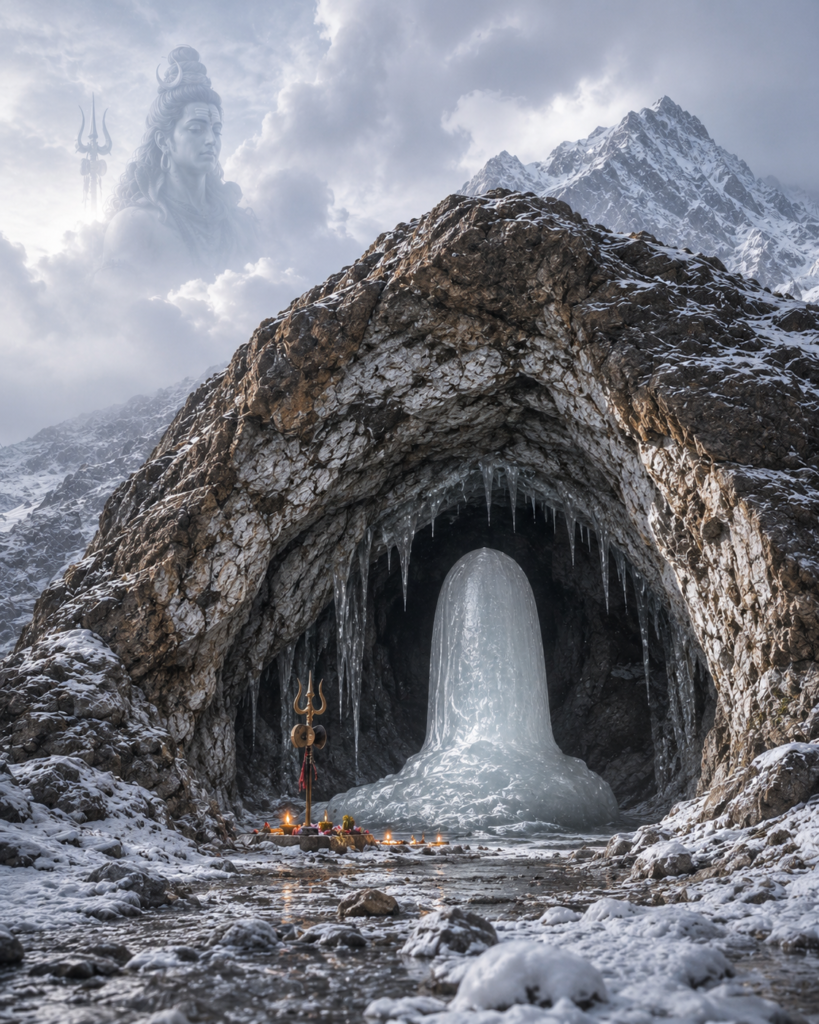
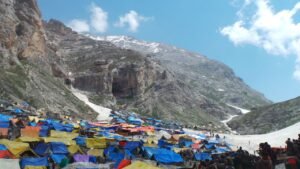
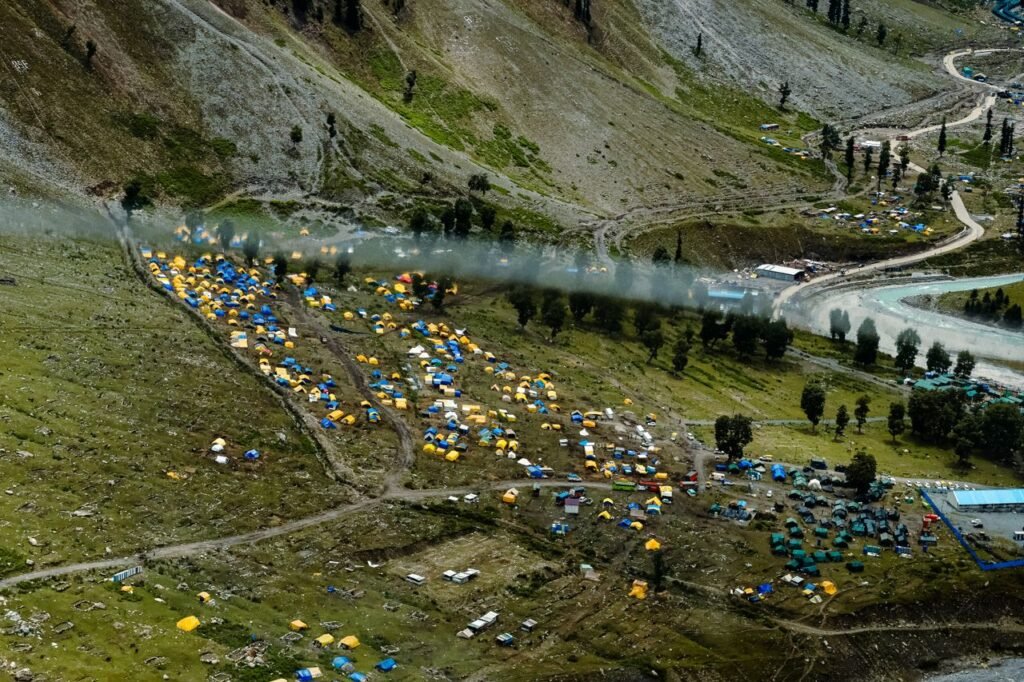
High in the breathtaking Kashmir Himalayas lies Amarnath Cave, one of the most revered pilgrimage destinations for devotees of Lord Shiva. Every year, thousands of pilgrims undertake the challenging Amarnath Yatra to seek blessings at the Holy Cave and witness the naturally formed ice formation worshipped as the Shivling.

But Amarnath is more than a pilgrimage destination. The journey combines faith, endurance, Himalayan landscapes, community service and a deep sense of devotion that makes it a memorable spiritual experience.         

Why Is Amarnath So Sacred?   

According to Hindu mythology, the Amarnath cave is considered the place where Lord Shiva narrated the Amar Katha to Goddess Parvati. The formation of natural ice in the cave is worshipped as the embodiment of Lord Shiva. Hence, the shrine has turned out to be a significant pilgrimage site for millions of Shiva’s followers.

The cave is located in a region surrounded by mountains, glaciers, and rocky sediments, which adds to the mystery and peace of the place.


Where Is Amarnath Cave?

The Holy Cave is located in the Kashmir Himalayas of Jammu and Kashmir. A high altitude trek is required to reach the cave, and the Shri Amarnathji Shrine Board warns that pilgrims may have to hike at heights of up to approximately 14,000 feet or more.

There are two main routes to the holy site:

Pahalgam Route

The traditional route passes through:

Pahalgam → Chandanwari → Pissu Top → Sheshnag → Panchtarni → Holy Cave

It is the longer route, but many pilgrims choose it because the ascent can be covered more gradually.

Baltal Route

The alternative route follows:

Baltal → Domail → Barari → Holy Cave

This route is shorter but considerably steeper and can be physically demanding.

The Shrine Board manages and regulates the pilgrimage, including registration, safety requirements and facilities along the routes.     

Preparing for the Amarnath Yatra

The Amarnath Yatra is not a typical weekend excursion. The high altitude, steep climbs, chilly temperatures, and unpredictable weather can present a challenge.
According to government health department authorities, it is necessary to build stamina and fitness before embarking on the yatra. It is recommended to do regular walking and light exercises to prepare your body for the uphill battles. Moreover, prior to registration, it is important to consult a doctor about any existing medical conditions.
You should also carry the following items:

  • Warm woollen clothes
  • Sturdy water resistant shoes
  • Waterproof raincoat/windcheater
  • Personal medication if you have any
  • Waterproof bags for storing personal belongings
  • Valid ID proof and Yatra registration details

It is important to seek immediate medical assistance for any abnormal symptoms such as unexplained breathlessness, dizziness, extreme tiredness nausea or lack of coordination. This might be a sign of high altitude sickness.


Registration and Official Guidelines

Pilgrims are requested to register themselves through authorized registration counters/information centers of Shri Amarnathji Shrine Board (SASB).
The pilgrims are further directed to obtain the prescribed identification/RFID along with the Compulsory Health Certificate (CHC) from an authorized medical institution.
The rules pertaining to facilities, services, dates of registration, weather and other restrictions may be revised every year. Hence, it is advisable to check the same on the official website of SASB before availing any of the services.
Notably, the Shrine Board has announced that the Pahalgam & Baltal Yatra route remains a no-fly zone from July 1, 2026 till the Yatra concludes, prohibiting helicopter services for the Pilgrims.


The Human Side of the Amarnath Yatra

One of the most wonderful things about the pilgrimage is that it offers an opportunity to see the camaraderie spirit and the togetherness of people from all walks of life, speaking all sorts of languages and hailing from distant states. They share a common goal and help each other through the long and tiring road. Langars and voluntary organisations offer free meals and other services in approved places as an act of seva, or charity. For many devotees, the prospect of spending hours or even days walking barefoot up mountains in extreme cold is a small price to pay for the darshan of the cave.

Respecting the Himalayas

The Amarnath cave is located in an eco-sensitive Himalayan region.
Therefore, it becomes the duty of every pilgrim to not litter and follow the protocols and guidelines set forth by local authorities and the shrine board.
In addition, they should not take short cuts and should adhere to the directions given to them for their own safety as well as the safety of the environment.
After all faith should be accompanied by responsibility and respect, and what better way to show respect to this ancient mountain than to leave it as pure as we found it?

Final Thoughts

For millions of devotees, the Amarnath Yatra is much more than a pilgrimage to a cave in the mountains.
From the spectacular snow-capped Himalayan backdrop to the chants of “Har Har Mahadev” reverberating up and down the trek, Amarnath has it all.
But remember that this Yatra requires dedication, devotion and determination.
Take the necessary precautions.
Above all, respect these formidable mountains and follow the guidelines issued by the authorities for the safety and wellbeing of all.
After all, in the holiest of holy places like Amarnath, the Yatra itself is a prayer.
Do not forget to consult the latest advisories and notifications from the Shri Amarnathji Shrine Board (SASB) regarding registration, medical, weather and other Yatra-related updates before embarking on your journey.


Kamakhya Temple: The Sacred Shakti Peetha of Assam – History, Spiritual Significance, and Travel Guide

Discover the Divine Power of Kamakhya Temple

The Kamakhya Temple is one of the holiest places of pilgrimage for Hindus in India and is located on the lovely Nilachal Hill in Guwahati in Assam. This ancient temple is dedicated to Goddess Kamakhya, a powerful form of Goddess Shakti and it attracts millions of devotees, spiritual seekers and tourists every year.

The Kamakhya Temple, unlike most Hindu temples, celebrates the divine power of fertility, femininity, creation and motherhood. The temple does not have a regular form of the idol of the goddess. Instead, devotees worship a naturally formed stone, which symbolizes the feminine creative energy, making it one of the most unique temples in the world.

If you are seeking spiritual peace, interested in ancient Indian history or planning a pilgrimage in Northeast India, Kamakhya Temple provides an unforgettable experience of devotion, mystery and centuries old traditions.

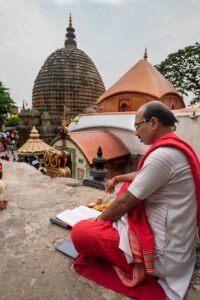
A Hindu priest reading scriptures at the Kamakhya Temple in Guwahati, Assam, India.

History of Kamakhya Temple

The history of Kamakhya traces back to more than a millennium. Many historians and archaeologists believe that the worship of this deity predates recorded history. According to the legends, the first ever king of Pragjyotishpur, Narakasura, was one of the first rulers to offer his prayers to goddess Kamakhya. The original structure suffered from centuries of war and natural disasters.

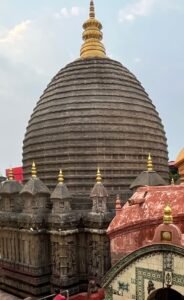
The current structure of the temple was built by the Ahom prince Naranarayana and his brother Chilarai in the sixteenth century AD. Since then, Kamakhya has remained one of the significant seats of Shakti. The architectural style of the temple is a harmonious blend of traditional North Indian temples and local Assamese styles. This shrine possesses a unique dome-shaped roof, intricate carvings of deities on stone, and various other sculptures that enhance the beauty of the structure.

Mythology behind Kamakhya Temple
Most of the origin stories of Kamakhya temple are associated with Goddess Sati and Lord Shiva. According to Hindu mythology, Goddess Sati, wife of Lord Shiva, immolated herself in the fire of King Daksha’s yajna out of anger and dishonor. Lord Shiva, in the form of Tandava, pierced his chest with his own spear, creating 51 Shakti Peethas across the nation. It is believed that the yoni of Goddess Sati fell on the Nilachal Hill, manifesting her divine feminine power. Hence, Lord Shiva built this shrine to honor her contribution to the creation of the universe.

This is why Kamakhya has been regarded as one of the holiest Shakti Peethas since ancient times. The divine powers of this goddess have been worshiped and revered throughout history.

Explore the intricate architecture of Kamakhya Temple, a sacred site in Assam, India, with its iconic dome and ornate details.

Spiritual Significance of Kamakhya Temple

Kamakhya holds special significance, not only for the people of Assam but across the country. While many temples were created to appease the wrath of gods or to fulfill a wish, Kamakhya is all about seeking the pleasure of the goddess. Devotees seek blessings from the deity for:

  • Health and prosperity
  • Fertility and children
  • Happy married life
  • Family welfare
  • Spiritual upliftment
  • Inner peace and strength

Kamakhya is also one of the most prominent Tantric seats, which is why many saints and sadhus visit the shrine to strengthen their Tantra practice.

Moreover, visiting Kamakhya feels like experiencing a deeply spiritual part of Hindu traditions. Most of the visitors, including sadhus, leave the shrine feeling blissful and closer to the divine feminine force.

 The Unique Sanctum in Kamakhya Temple

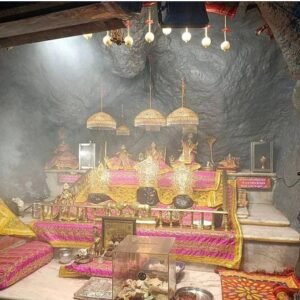
As mentioned above, the deity of Kamakhya is not depicted in human form and is not carved out of wood or stone. There is no idol of goddess inside the sanctum. Instead, there is a narrow staircase leading to a small chamber with a natural fissure on the rock. The continuous stream of water coming out of the fissure is believed to be the source of power that nourishes the entire universe. The ambiance created by the continuous flow of water adds to the mystery and sacredness of this holy place.

The Ambubachi Mela, Kamakhya Temple’s Most Celebrated Festival

The most popular festival of Kamakhya is Ambubachi Mela. This three-day-long event is held every year in June. Legend has it that the goddess menstruates for three days a year, and the temple is closed during this time. The faithful believe that the cloth offered to the deity during this period is pure and helps cure all diseases. Hence, the goddess is worshiped as the giver of life and death. Saints and sadhus from across the country visit the shrine during this period to experience the unique energy of the goddess.

Architecture of Kamakhya Temple
The architectural brilliance of Kamakhya temple has attracted the attention of thousands of art lovers from around the globe. Some of its prominent features include:

  • Beautiful beehive-shaped domes
  • Stone-carved images of Hindu deities
  • Sculptures of celestial musicians
  • A large courtyard with pillars
  • Ancient staircases
  • Intricate engravings on the toranas
  • Small shrines depicting various forms of goddess Shakti
  • Moreover, the temple complex also accommodates the shrines of the Ten Mahavidyas, making it a must-visit destination for all Shakti devotees.

When to Visit Kamakhya Temple

You can visit Kamakhya temple any time of the year because it is open throughout the year. 

However, the best time to explore this ancient shrine is from October to March when the weather is comparatively cool and comfortable. April and May can also be a good time to visit Kamakhya temple. June is an excellent month for those who wish to witness the spectacular Ambubachi Mela that is held every year in the first week of June.

 During the rainy season, Nilachal Hill appears in its greenest form, creating a spectacular view.

How to reach Kamakhya Temple
Reaching Kamakhya temple is not difficult at all because it is one of the most visited shrines in the entire state. If you are planning to visit Kamakhya, here are some of the best ways to reach there:

  • By Air – Lokpriya Gopinath Bordoloi International Airport is located around 20 km from Kamakhya temple. You can hire a taxi or even use app-based cab services.
  • By Train – Kamakhya railway station is one of the nearest railway stations linked to the city of Guwahati. You can take a train from there to reach the shrine.
  • By Road – There are plenty of buses and taxis available in Guwahati to reach Nilachal Hill.

You can also cover all the places in Guwahati on your way to Kamakhya temple. There are various attractions in and around Guwahati that you can explore after visiting Kamakhya temple and return to the city via bus or taxi.

Other Places Near Kamakhya Temple

After visiting Kamakhya, you can explore some of the best places around Guwahati:

  • Umananda Temple
  • Assam State Museum
  • River cruise on Brahmaputra River
  • Pobitora Wildlife Sanctuary
  • Basistha Ashram
  • Srimanta Sankardev Kalakshetra
  • Fancy Bazaar
  • Guwahati Planetarium

All these places are worth a visit and will give you a unique experience of visiting Assam.

Tips for First-time Visitors

If you are a first-time visitor, here are some tips to help you have a great experience at Kamakhya temple:

  • Wear appropriate dress code.
  • Take off your slippers before entering the temple.
  • Take care to stay hydrated, especially during the hot summer months.
  • It is better to reach early in the morning to avoid the crowds.
  • Always follow the rules and regulations of the shrine and avoid clicking pictures if it is prohibited.
  • Do not litter or leave any garbage at the temple.

If you are in your old age, it will be better to use the transport facility while climbing down/up the Nilachal Hill.

Final Thoughts

Kamakhya is one of the most sought-after destinations among Indian pilgrims. Not only this, but many spiritual seekers, history buffs, and even tourists visit this shrine every year. This article will help you understand the rich history, unparalleled significance, and architectural brilliance of the Kamakhya temple. The enchanting beauty of the Nilachal Hill and the powerful divine feminine energy of goddess Kamakhya will leave you mesmerized.


Vaishno Devi Temple Pilgrimage

Introduction

High up among the towering Trikuta Hills in Jammu and Kashmir sits the Vaishno Devi Temple, a deeply honored site for Hindu pilgrims throughout India. Though it draws countless visitors annuallymen, women, childrenall walking the path with quiet purpose, their eyes set on meeting Mata Vaishno Devi. This climb isn’t only about reaching a shrine; rather, each step becomes part of something deeper, shaped by belief, silence, persistence. The air changes as you go higher, thin yet full of presence, turning movement into meaning.

Pilgrims come here because faith pulls them toward the goddess, yet many stay for the quiet beauty of peaks wrapped in mist. Her presence feels real among those hillssome say she speaks without words, drawing people closer over time. Not just worshippers find their way up the path; others arrive curious about old traditions carved into these mountains. Each step along the trail offers something different – a moment of calm, perhaps, or a view that stops thought altogether. Few leave unchanged after walking where devotion has shaped centuries of footsteps.

The Story Behind Vaishno Devi Temple

Long ago, stories say a woman came into the world to stand for what is right. From legend, she grew up knowing her purposeshielding people from harm. Instead of chasing ordinary paths, she chose quiet caves and long prayers. Her days turned into years spent sitting still, focused on inner strength.

Some say the tantric sage Bhairon Nath grew obsessed with her spiritual strength, trailing close behind. Fleeing his path, the Goddess wove across the Trikuta Mountains, marking spots now honored by travelers on foot. Inside a hidden cavern, she settled into silence, staying deep in thought nearly a year.

From inside the cave, Mata Vaishno Devi emergednot as a woman but as Goddess Durga – and struck down Bhairon Nath. His last breath carried regret; he saw clearly what he had done wrong. Pity moved her, so she pardoned him on the spot. High above the main temple sits Bhairon’s shrine – each pilgrim must go there too, because that is how it was decreed.

Some still walk the path now, heading toward the sacred cave along with Bhairon Temple.

Spiritual Meaning of the Temple

Not like most Hindu shrines with carved figures, at Vaishno Devi it’s different – worship centers on three rock shapes made by nature, called Pindis. These forms did not come from human hands yet they are honored just the same.

These sacred pindis stand as ancient symbols

  • Mahakali – The Goddess of Strength and Protection
  • Mahalakshmi – The Goddess of Wealth and Prosperity
  • Mahasaraswati – The Goddess of Wisdom and Knowledge

Peace, prosperity, courage, stillness withinthese gifts follow faithful words spoken at her feet. The trio of sacred figures stands as one force, whole, unbroken, humming beneath every prayer. Not all who come know what they seek. Yet something shifts, quiet and sure.

Some followers feel the goddess herself reaches out to people meant to make the journey. Others say she draws them in without a word being spoken. A quiet pull, they claim, begins long before any decision is made. It starts subtly, like a thought that won’t let go. For many, it’s not about planningit just happens. The path forms on its own.


The Sacred Journey to Vaishno Devi

Starting in Katra, that journey kicks off where travelers gather below the temple’s edge. Up ahead lies the Bhawanroughly thirteen kilometers awayreached on foot by those who come to pay respects.

Walking matters just as much as arriving. Down that smooth path, voices rise again and again with “Jai Mata Di,” threading belief through every step. Faith hums in the air, carried on sound.

Several facilities are available for pilgrims, including:

  • Clean resting areas
  • Medical centers
  • Food stalls
  • Drinking water facilities
  • Battery cars for selected routes
  • Pony and palki services
  • Some folks can’t make the hike. For them, a helicopter ride offers another way up. It skips rough terrain. Not everyone walks every path. Machines help when feet fail. Skies open where trails close. Flying replaces walking here

Some travelers head out after dark because the path glows softly and the air turns crisp. Night walkers often find quiet moments under the stars when most have settled down. A slow pace feels natural here, where shadows stretch and light guides each step. Cooler hours wrap around like a deep breath taken slowly.

Buildings Among Trees

Up in the mountains, the temple sits where new comforts blend quietly with old stillness. Though built high, it holds space for both ease and quiet thought.

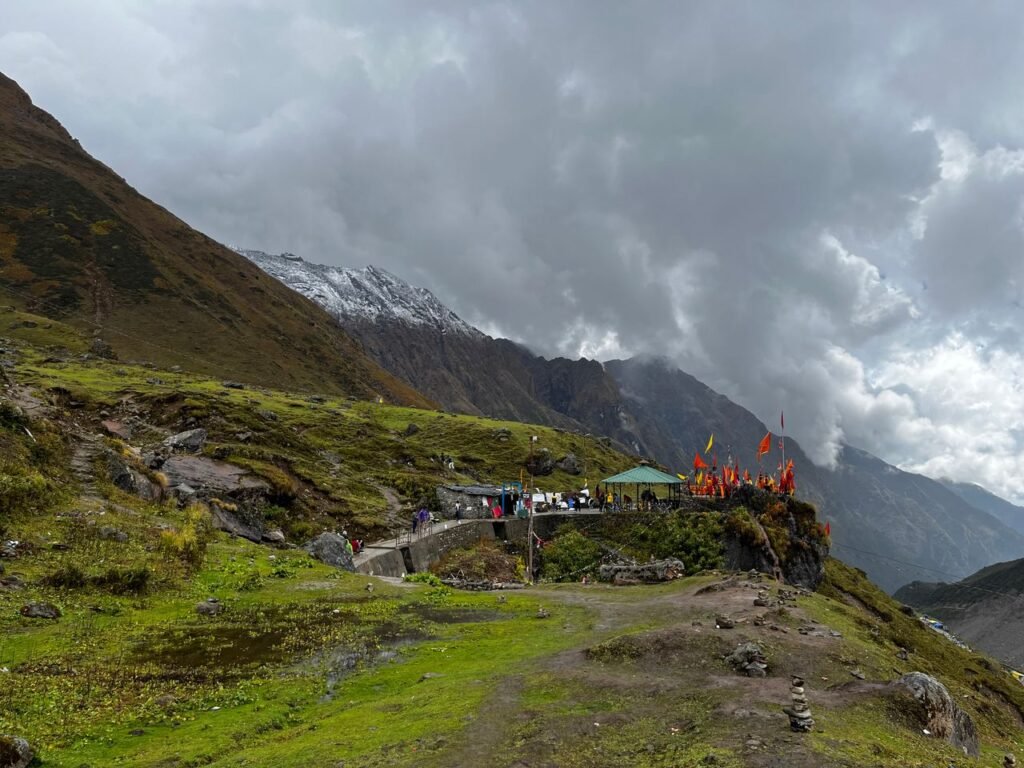
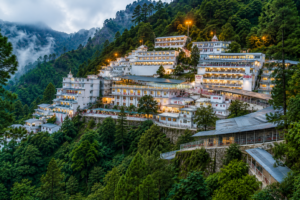
High up in the Trikuta range, tucked between thick trees and steep stone walls, rests a sacred cave. Snow drapes the summits during colder months, wrapping the site in quiet wonder. When rains arrive, mist rolls through valleys below. Summer light brings sharp clarity to distant ridges. Each season shifts how the land reveals itself.

Inside the old cave, worship still happens even if newer paths now guide crowds of visitors around it. Though built later, these routes help manage how many come each day.

Hidden among mountains, Vaishno Devi draws people not just with its scenery but through a quiet sense of presence. While many come for the trek, few forget how the air feels different near the shrine. Though stone and river surround it, what stays is less seen than felt. Because stories have shaped this place over time, each step forward seems guided by something older than maps. Where landscape meets devotion, visitors find more than traditionthey notice an unspoken calm that lingers after they leave.

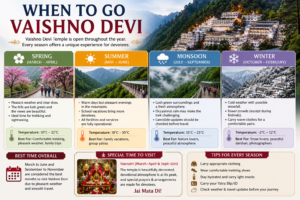
When to Go

Open all year round, Vaishno Devi Temple welcomes visitors no matter the season. While summer brings steady streams of pilgrims, winter sees fewer crowds but colder paths. Though rain may slow some travelers during monsoon, faith keeps feet moving upward. Even when snow dusts the hills, believers still make the climb without pause. Season after season, the temple stands readywaiting, watching, never closed.

Clear skies plus mild temperatures make spring a favorite. Autumn brings calm days, often sunny, that many find just right.

When summer comes, crowds arrivefamilies travel during school breaks. Yet quiet waits in colder months instead, where snow drapes the peaks like a blanket never lifted.

When Navratri arrives, the temple glows with color, alive through song and prayer. Crowds flow in, drawn by faith rather than plan. Light wraps around statues, walls, stepsevery surface holds a glow. Worship happens in rhythm, steady like breath, pulled forward by voices together. Not just one kind of chant echoes but many, layered. Each night builds on the last without announcing it. Presence matters more than performance here. Visitors stay longer than they expect.

Visit during any time of year works fine when arranged ahead. That way, moving through the journey goes without hassle.

Nearby Attractions

A visit to Vaishno Devi Temple can be combined with several nearby attractions.

Some say skipping Bhairon Temple leaves the journey half done. Its place matters because old ways insist you must go there.

Pilgrims say she stayed deep inside Ardhkuwari Cave, resting through long quiet days. Nine months passed while the mountain held her presence. This place carries stories of stillness, carved into stone walls. Worshipers visit now, drawn by what happened there so far back.

Some folks might check out:

  • Charan Paduka
  • Banganga
  • Shiv Khori Cave
  • Raghunath Temple in Jammu
  • Patnitop Hill Station

Each of these places brings quiet meaning along with wideopen views. A sense of depth grows where landscape meets reflection. Not just postcard sights, they shape how you feel as you move through them. The land speaks in subtle ways, stitching moments of calm into motion. What stays is not only what was seen, but how it settled inside.

Helpful Travel Tips

To make your pilgrimage comfortable and memorable:

  • Before you start walking, make sure the journey is logged.
  • Start with footwear that feels easy on your feet when moving around.
  • Packing a jacket makes sense in summer toomountain air cools fast. Higher ground means chillier conditions, no matter the season.
  • Water stays key while you travel. Moving keeps your body needing it more often than usual. Drink at times that feel too earlyyou’ll thank later timing.
  • Pack just what you truly need when heading out. A single bag often holds enough.
  • Walk softly through temples, leave nothing behind but quiet steps. A clean space stays welcoming when everyone helps keep it that way.
  • Stay updated on weather changes while sticking to approved safety rules.

Packing ahead of time means less stress when it comes to moving through airports. What matters most can stay central if logistics aren’t piling up. Smooth transitions often begin long before departure. Little details sorted early keep attention where it belongs – on what feels meaningful. When gear is ready, thoughts settle too.

Final Thoughts

Pilgrims climb through thin air toward a cave that hums with old stories. High in the Trikuta Mountains, stone paths wind past prayer flags fluttering like whispers. A goddess waits inside rockher presence felt more than seen. Footsteps mark decades of longing, each one worn into the trail by quiet determination. Devotion here moves slowly, shaped by altitude and breath. The journey matters just as much as the shrine at the top. Believers carry songs, silence, sometimes tearsbut always hope.

Deep in the mountains, where prayers rise with the morning mist, lies a place many call home even if they’ve never lived there. Not just stone and scripture, but voices humming through narrow pathseach step forward carried by something deeper than habit. Some come searching for peace, others pulled by family stories whispered at bedtime. The air changes up here, thinner maybe, yet somehow fuller, like it holds every breath ever taken on this trail. What begins as walking soon becomes rhythm, then ritual, then memory. Faces streaked with sweat repeat phrases older than their grandparents, not because they must, but because it feels right. Around each bend, colors flashflags fluttering, cloth offerings tied tight to iron rails. It isn’t about reaching fast; slowing down seems to be the point. Even silence speaks loud when surrounded by such stillness. Generations pass, seasons shift, yet feet keep coming, drawn not by command but quiet certainty.

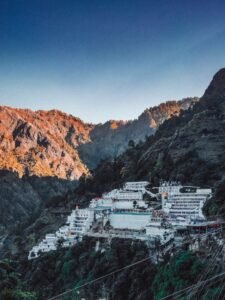
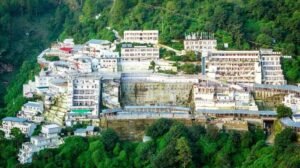
Stunning view of a mountain resort nestled within rugged peaks under a blue sky.


Kedarnath Dham Home of Lord Shiva

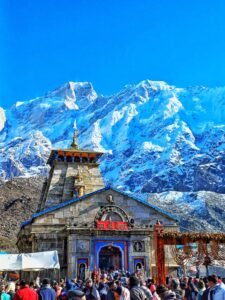
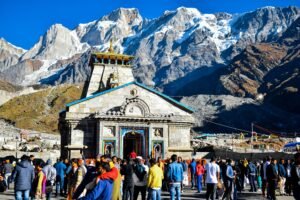
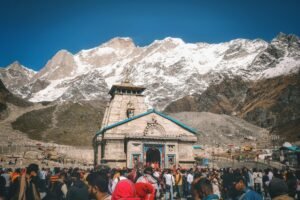
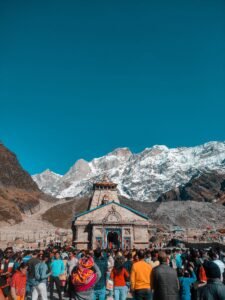
Historic Kedarnath Temple amidst stunning snow-capped Himalayan peaks on a clear day.Crowd gathers at Kedarnath Temple with Himalayas backdrop, showcasing religious significance and stunning landscape.

Introduction

High in the Himalayas of Uttarakhand sits Kedarnath Dham, a deeply respected spiritual site across India. At roughly 3,583 meters above sea levelabout 11,755 feet – the temple honors Lord Shiva. It holds status among the twelve Jyotirlingas, places held sacred by tradition. Though the path is tough, vast numbers arrive each year drawn by faith. The climb may test the body; still, people come hoping to find peace within these stones.

Peace settles where snowy peaks rise around Kedarnath, wrapping the town in quiet grandeur. Rivers run clear through rocky paths, untouched by noise or hurry. This shrine stands amid wild beauty, drawing those who seek stillness along with faith. Devotion here feels close to earth, shaped by wind and stone rather than words alone. Pilgrims arrive from distant lands drawn not just by ritual but by something older beneath their feet. Part of the sacred Char Dham journey, the temple carries weight beyond its walls. Mountains watch without speaking. Faith grows quietly among them.

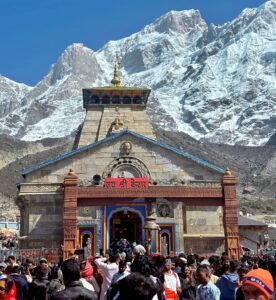
Crowds gather at the iconic Kedarnath Temple against a majestic Himalayan backdrop in daylight.

History and myths matter

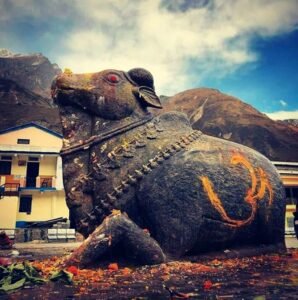
Stories about Kedarnath Dham stretch far into the past, tangled with old tales from Hindu belief. Following the great fight in the Mahabharata, the Pandava brothers wanted pardon from Lord Shiva for actions taken in combat. Yet Shiva did not wish to meet them, so he changed shape, becoming a wild bull. Once they saw through his disguise, he sank straight into the earth. Where his back rose againso people say – that place became Kedarnath; other pieces of his form surfaced elsewhere, forming what are now called the Panch Kedar shrines.

Standing through time, the current temple likely began with the Pandavas before seeing changes led by the scholar-saint Adi Shankaracharya in the 800s. Despite storms, quakes, and years piling up, it remainsquiet proof of lasting belief.

Kedarnath Temple Structure

Stone by stone, Kedarnath Temple rises as an echo of old Indian design. Resting on a broad base shaped like a rectangle, it holds firm through time. Though storms pile high with snow and winds rage around it, the building does not give way. Centuries passstill it stands, built from great flat rocks stacked without haste.

Among the quiet corners of the temple sits a rare conelike Shiva Lingam, honored by those who enter. Carved into stone along the walls are gods and legends frozen in detailed artistry. Peace settles gently here, filling each person with stillness found only in deep reflection.

What stands out about the temple isn’t just age or designit’s how it holds up when nature turns harsh. Back in 2013, floodwaters tore through nearby regions, sweeping away homes and roads. Still, the central structure stayed intact, almost untouched by the chaos outside. That moment deepened belief for countless visitors who saw it as more than luck.

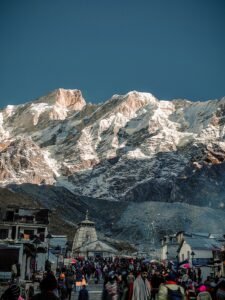
A crowd of pilgrims at Kedarnath Temple with snowcapped Himalayan peaks in the background.

The Journey to Kedarnath

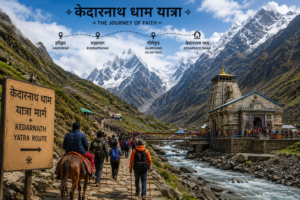
Deep in the Himalayas, reaching Kedarnath takes effort of body and mind. Starting out from Gaurikund – where most travelers gather – the path unwinds slowly toward the distant shrine. Each step forward unfolds views of rushing streams, thick woods, open meadows, and rocky peaks rising nearby. Though long, the route draws many who walk it for quiet reasons.

Some folks skip the hike, choosing instead a ride on ponies, palanquins, or helicopters. Even with hardships, many say the trip shifts something deep insidefaith grows strong when feet keep moving.

Winding through high mountains, this path shows off sharp snowcovered summits alongside a rushing river called Mandakini. For those chasing spiritual moments or quiet natural beauty, the journey sticks in memory. Not just prayers echo hereclear air, steep trails, and sudden vistas pull attention too. Some come for temples others stay for silence between rock and sky.

Spiritual Significance of Kedarnath Dham

High up in the mountains sits Kedarnath, a sacred shrine honoring Lord Shiva. For many Hindus, stepping into this temple means leaving old wrongs behind, finding freedom through prayer. Though built of stone, it holds something deepera quiet hope carried by those who walk there. Wanderers, seekers, holy men arrive, each drawn not just by faith but by silence. Peace does not shout here; it waits between breaths, inside ancient walls.

Inside, voices rise together each day, shaping moments thick with reverence. As light shifts at dawn and dusk, music swells, pulling people into quiet wonder. Some leave quietly, touched by stillness, others speak later of warmth spreading through them like slow sunrise.

Deep in the mountains, Kedarnath stands among four holy sites that shape much of Hindu faith. Not just stone and snow, it’s seen by many as a door opening toward something greater.

When to Go

When snow blocks the mountain paths, worship at Kedarnath stops until warmer days return. Opening usually happens by late spring, sometimes early summer. By autumn’s deep chill, the doors shut again for months ahead.

Summer heat fades into softer days by May, when paths begin to clear. June holds steady with mild skies above the trails. Rain clouds gather thick through July and August, turning slopes slippery underfoot. September arrives with calmer air, opening up high passes again. October keeps light winds and clearer views most mornings. Landslides sometimes block routes after long downpours. Checking forecasts becomes useful once plans take shape. Travel flows easier when timing avoids the wettest stretches.

Packing warm clothes helps when temperatures drop. A pair of sturdy boots makes walking long paths easier. Getting ready ahead of time changes how things go out there.

Nearby Attractions

Several beautiful and spiritually significant places can be explored around Kedarnath:

Bhairavnath Temple

Bhairavnath Temple sits close to Kedarnath Temple, honoring Bhairava – one of Shiva’s intense forms. When winter arrives, locals say he guards the area around Kedarnath.

Vasuki Tal

Perched near Kedarnath, roughly eight kilometers away, lies a serene alpine lake known as Vasuki Tal. Above it, jagged summits rise sharply into clear skies. This quiet body of water reflects towering ranges all around. Distance fades when eyes meet such raw, unbroken scenery. Few spots deliver quite this kind of stillness so close to rugged heights.

Gaurikund

Gaurikund begins the journey to Kedarnath – linked to Goddess Parvati through quiet legend. Hot springs rise here, fed by earth’s unseen heat beneath stone and soil.

Adi Shankaracharya Samadhi

Beyond the temple grounds sits a quiet marker honoring Adi Shankaracharya – his influence quietly woven into the return of Hindu pilgrimage routes. Though unassuming, the spot holds weight because of his guidance centuries ago reshaping spiritual travel. It stands apart from grand monuments yet speaks through absence more than stone ever could.

Why Kedarnath Moves So Many People

Deep in the mountains, Kedarnath Dham isn’t only about pilgrimage. Faith lives here, along with quiet strength and unwavering dedication. People feel close to something greater, drawn by centuries of belief. Beauty surrounds itrugged peaks, wild skiesand that stirs the soul just as much as prayer does.

Amongst jagged mountain tops, the old temple stands quietits presence shrinking every thought. Though footsteps grow heavy here, they carry something steady beneath: a rhythm built slow through frost air and narrow trails. Moments stretch longer when breath shows itself visible, curling into sky like questions without words. Stone walls have watched centuries pass, still holding silence better than people ever could. What arrives isn’t peace exactly, more like clarity stripped bare by wind and altitude. Each step upward pulls memory tighter, forcing faces, regrets, joys to surface uninvited. Belief doesn’t shout hereit whispers between gusts, settles in cracks of frozen ground.

A large gathering of tourists at the Kedarnath Temple in the Himalayas, under a clear blue sky.

Final Thoughts

High up in the mountains, Kedarnath Dham holds a quiet place in many hearts. Old stories cling to its stones, whispered by wind through ancient walls. Tucked beside icy peaks, it feels far from everythingyet draws people close. Some arrive searching for answers, others just wanting stillness beneath vast skies. Not every journey leads here, but those who come often leave changed.

Deep in the mountains, Kedarnath isn’t just stone and prayer. It pulls you inward, where belief takes root without noise. Pilgrims walk far, yet carry littlejust moments that stay beyond return. The hush there sticks around long after footsteps fade. 

Crowd at Kedarnath Temple, India with stunning Himalayan backdrop, a top travel destination.