Benefits of Pranayama: Improve Your Physical, Mental, and Emotional Well-Being Naturally

In today’s modern world, stress, sleep deprivation, and a bad lifestyle are becoming more and more popular among people of all ages. The majority of us are obsessed with working out and eating healthy to keep our bodies strong, but we rarely pay attention to something very important – Pranayama. It is a breathing technique that came from ancient times and is used by yogis to control their breath and be healthier.
The word ‘Pranayama’ consists of two words – ‘Prana’ means the life force or energy, and ‘Ayama’ means extension or control, so this breathing technique helps in extending and controlling your life force and making your body and mind healthier.
Practicing it for ten minutes a day can significantly improve your health in a short amount of time. If you want to achieve excellent physical and mental results, then try this amazing exercise.

What Is Pranayama?

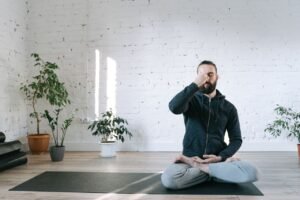
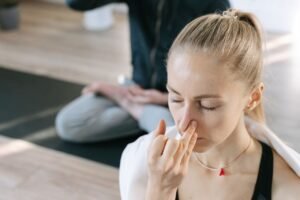
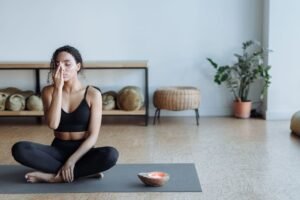
Pranayama is a breathing practice that is one of the eight limbs of yoga. It refers to the various breathing techniques that promote energy balance in the body, reduce stress, and bring about a connection between the mind and body.
Common pranayama techniques include:

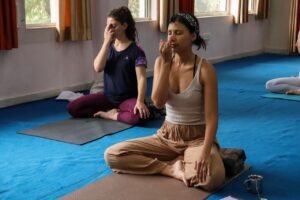
  • Anulom Vilom (alternate nostril breathing)
  • Bhramari
  • Kapalabhati
  • Ujjayi
  • Sheetali and Sheetkari
  • Deep abdominal breathing

All the pranayama techniques are doable and safe for most people as long as they are done correctly.


Most popular benefits of Pranayama

  • Reduces stress and anxiety

One of the simplest and fastest ways to reduce stress and anxiety is to practice Pranayama breathing exercises. A calm and steady flow of air activates the body’s relaxation response and reduces levels of stress hormones such as cortisol. Some of the many benefits of reducing anxiety and stress through regular practice of these breathing techniques include:

  • Lower levels of anxiety and tension
  • Improved emotional stability
  • Ability to quickly return to normal after a stressful situation
  • Calmness and inner peace

Even ten minutes of practicing these breathing exercises will make you calmer and more focused.

  • Improves lung function

This ancient breathing method helps to expand lung capacity and strengthen the respiratory system. In addition, regular practice of this type of breathing helps to normalize the rhythm of breathing and increases the amount of oxygen in the body. The following advantages are associated with improved lung function:

  • Better oxygen supply
  • Improved breathing process
  • Increased endurance
  • High efficiency of the respiratory tract

People who practice this type of breathing exercises rarely feel shortness of breath. This is especially important for people who lead an active life and want to feel better during intense physical activity.

  • Improves concentration 

It is becoming increasingly difficult for modern people to sit still and concentrate on what they need to do. The breathing technique known as Pranayama helps to focus on the current activity and not think about past or future events. Some of the benefits of practicing this breathing exercise regularly include:

  • Improved focus and concentration
  • Improved focus
  • Increased productivity and efficiency
  • Better decision-making ability

People who practice Pranayama can experience all these benefits. The ability to concentrate is essential for students, so the regular practice of this breathing technique will enable them to achieve greater success.

  • Improves sleep quality

Most people today experience sleep problems, whether chronic or occasionally. Many people suffer from stress and insomnia, making it difficult to fall asleep and get a good night’s rest. The good news is that Pranayama can help! Breathing exercises such as Bhramari will help to fall asleep faster and enjoy a deep rest during sleep. The following benefits are associated with the improvement of sleep quality:
  • High quality of relaxation
  • Improvement of the entire body during sleep
  • Reduction of stress and anxiety

A regular evening practice of these breathing exercises will allow you to fall asleep faster and have a longer and deeper sleep.

Improves energy levels 

Did you notice that you have less and less energy throughout the day? This is due to the lack of oxygen in the body. Pranayama breathing exercises allow you to increase the amount of oxygen in the body, thus raising your energy levels. There are numerous benefits associated with high energy levels:

  • Increased physical activity and productivity
  • Improved mood and greater vitality
  • Increased resistance and endurance

A regular practice of this breathing exercise will help you experience these benefits. Unlike sports or coffee, Pranayama breathing exercises are accessible to everyone and can be done anywhere and anytime.

  • Improves heart function

Practicing slow breathing techniques such as Pranayama has a positive effect on the entire circulatory system and helps to reduce stress. Some benefits of this exercise for the heart include:

  • Improvement of blood circulation throughout the body
  • Reduction of stress and anxiety
  • Regulation of blood pressure
  • Normalization of heartbeat

However, it is important to remember that these exercises should not replace conventional medical treatments.

Improves emotional state

The way we breathe is directly related to our emotions and stress levels. When a person experiences negative emotions such as anger or anxiety, their breathing becomes shallow and unsteady. This breathing pattern alters the autonomic nervous system, leading to health problems. The regular practice of Pranayama breathing techniques allows you to restore the connection between breath and mind, thus regulating emotions and reducing stress. Some benefits of this breathing exercise on emotional well-being include:

  • Increased emotional stability
  • Reduced irritability and aggression
  • Improved mood
  • Enhanced self-confidence and selfawareness

When practicing these breathing techniques, you will feel calmer and more balanced emotionally.

Improves digestion       

The autonomic nervous system regulates digestion. As a result of stress and anxiety, a person may experience disruptions in the digestive process. The regular practice of Pranayama breathing helps to reduce stress levels and thus supports digestion. This breathing exercise has several benefits for the digestive system, including:

  • Improves the functioning of the gastrointestinal tract
  • Reduces stress and strengthens the nervous system
  • Improves blood circulation, including in the digestive system

Thus, regular practice of these breathing exercises will have a positive effect on the entire body, strengthening the work of all systems and improving health.     


Example of a successful practice

A person who sits for a long time at a computer may experience constant stress and fatigue. They will notice an improvement in their health and mood after a month of morning practice of Anulom Vilom breathing exercises and deep breathing. Another example is the improvement of the condition of elderly people who practice these breathing exercises to maintain health and reduce stress.

These breathing exercises will have a positive effect on your health as well, but you need to practice them regularly. The main rule is to do them for at least five minutes a day, making even simple breathing techniques for a short time.

How to Practice Pranayama?

If you have decided to start practicing this breathing technique, then you need to know some rules. First of all, it is necessary to sit comfortably on a straight back; it is best to practice an empty stomach, but if this is impossible, light foods are allowed. It is necessary to start practicing Pranayama with simple breathing exercises and repeat them every day for at least five minutes. As for more complex breathing techniques, they can be learned from video guides or an instructor. It is important not to harm the body during the practice; if dizziness or discomfort occurs, it is necessary to stop.     


Who can practice Pranayama?

Practically anyone can practice this breathing exercise: children, adults, seniors, and those new to yoga. Of course, people with chronic diseases should consult a doctor before starting to practice.

Final Thoughts

Pranayama is a simple but effective breathing exercise. It has lots of health and wellness benefits. It helps to reduce stress levels, increase focus and concentration, and improve heart and lung functions, among other benefits.
The best part about it is that it does not require any special equipment or environment. It is simple to do and can be done anywhere as long as there is enough space to sit or stand comfortably. All that one needs to do is set aside some time to practice it and develop healthy breathing patterns that will improve their overall wellness.
Practicing pranayama on a regular basis and correctly can therefore be of great benefit to one’s health and general well-being.

Build Strength Anytime, Anywhere with One of the World’s Best Bodyweight Exercises

Think about the possibility of developing and improving your body without spending a fortune on expensive machines at a gym. This is precisely why push-ups have continued to remain popular for many years. Regardless of whether someone is a complete novice trying to get into shape or an experienced fitness buff looking to meet their daily workouts, it is possible to achieve their goals through push-ups.
All that is needed is to do them correctly and to use a suitable variation to challenge the body.
Push-ups are a functional exercise that allows people to achieve a wide variety of fitness objectives. They require nothing but one’s own body weight and a small amount of space to perform. Developing the correct technique and using progressive overload when doing push-ups can have numerous health benefits, including improved posture, core strength, upper body strength, and increased stamina. Therefore, in this paper, the benefits of doing push-ups will be discussed, and the reader will learn how to do them right, what variations are available, and at what age they should start.

What Are Push-Ups? Description

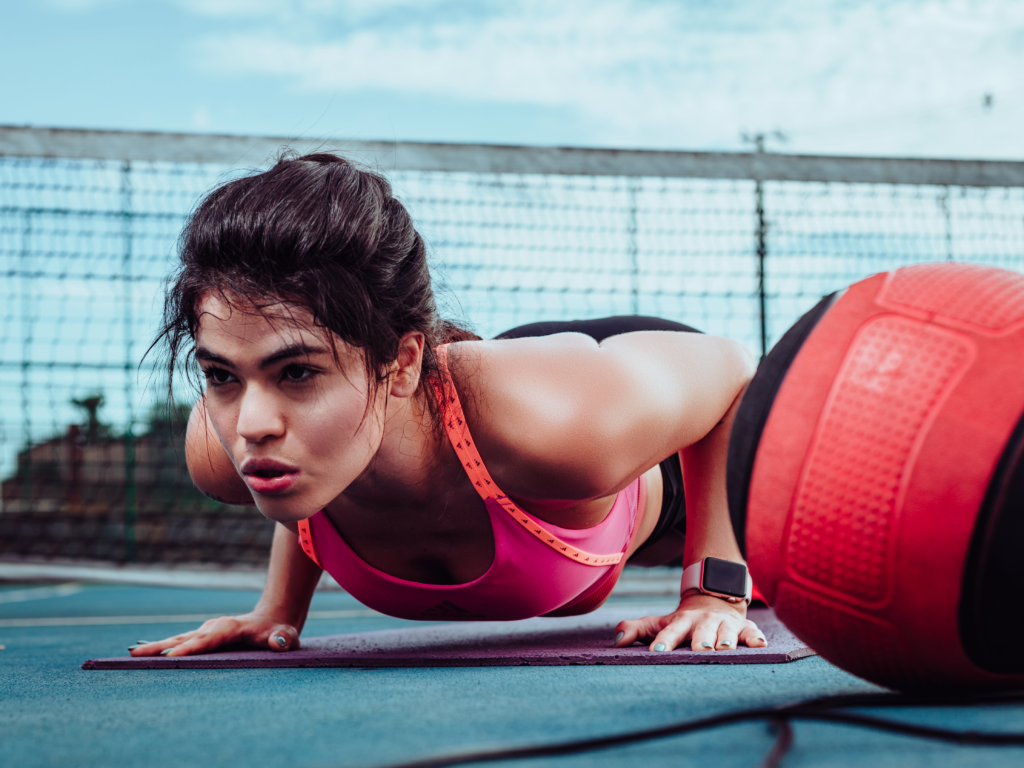
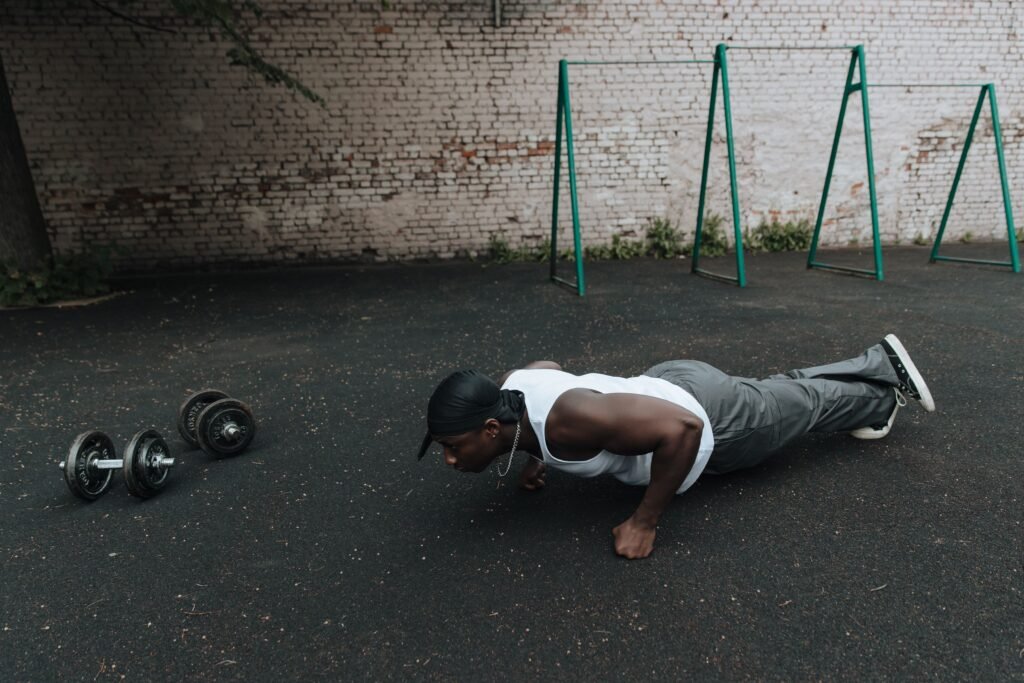
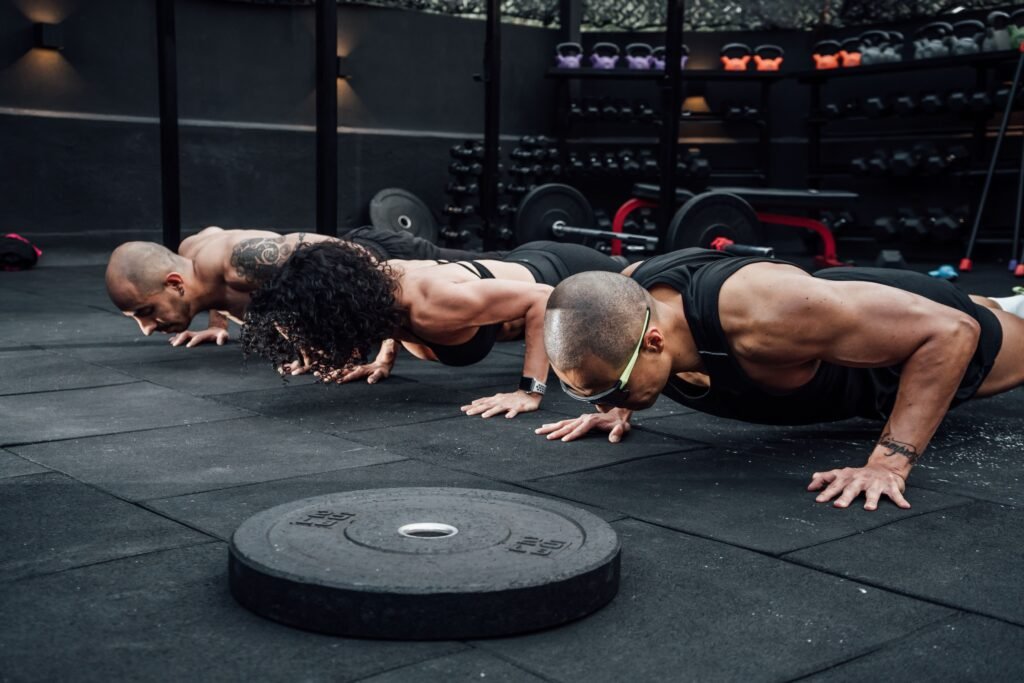
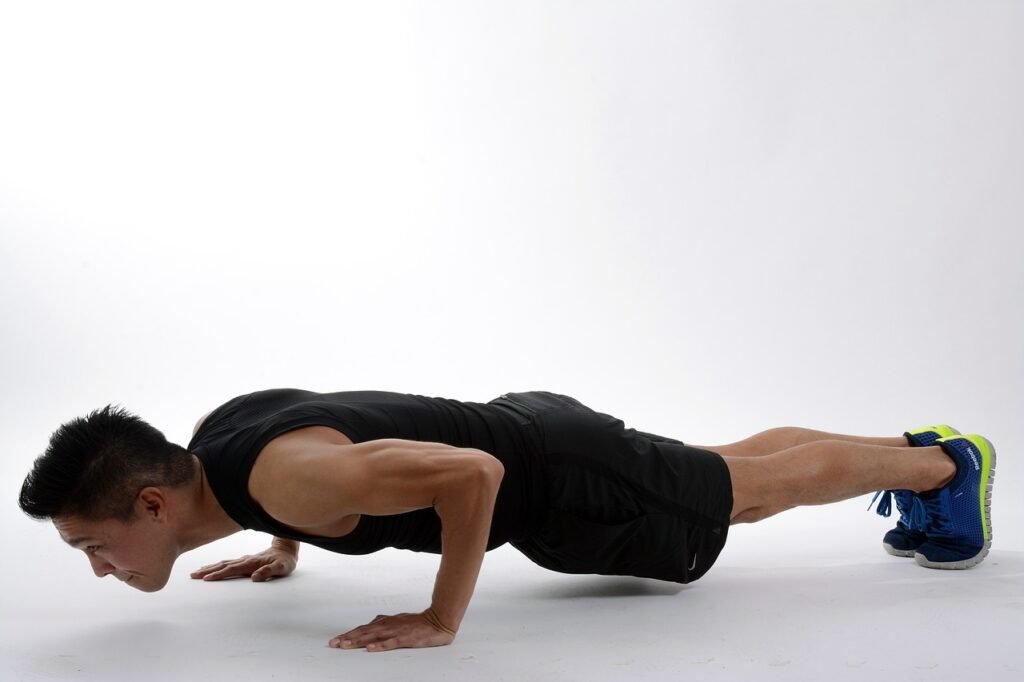
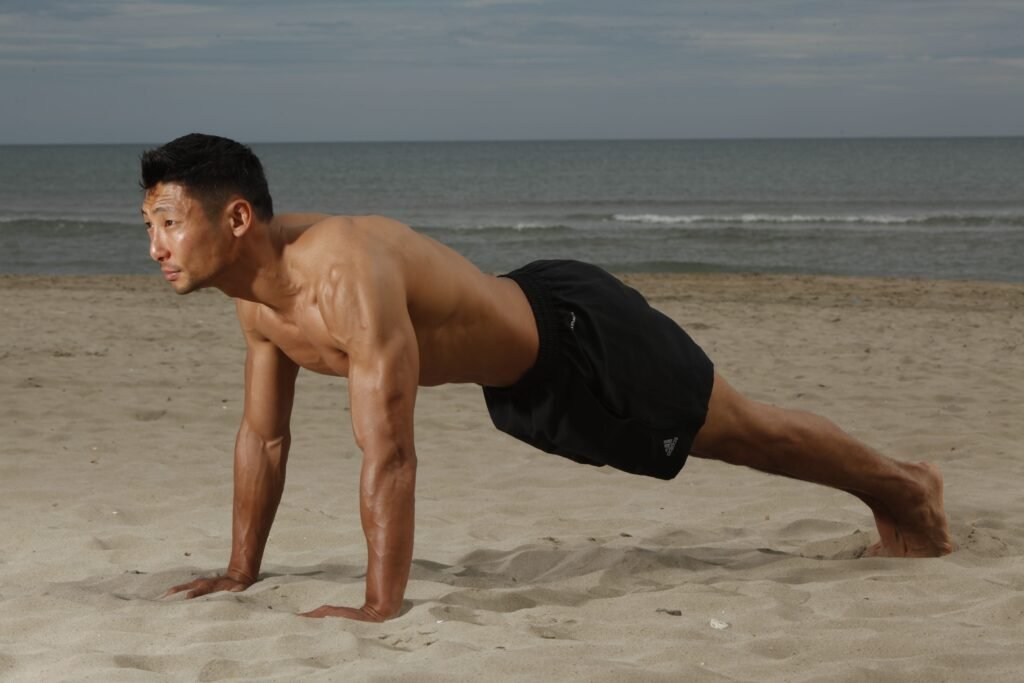
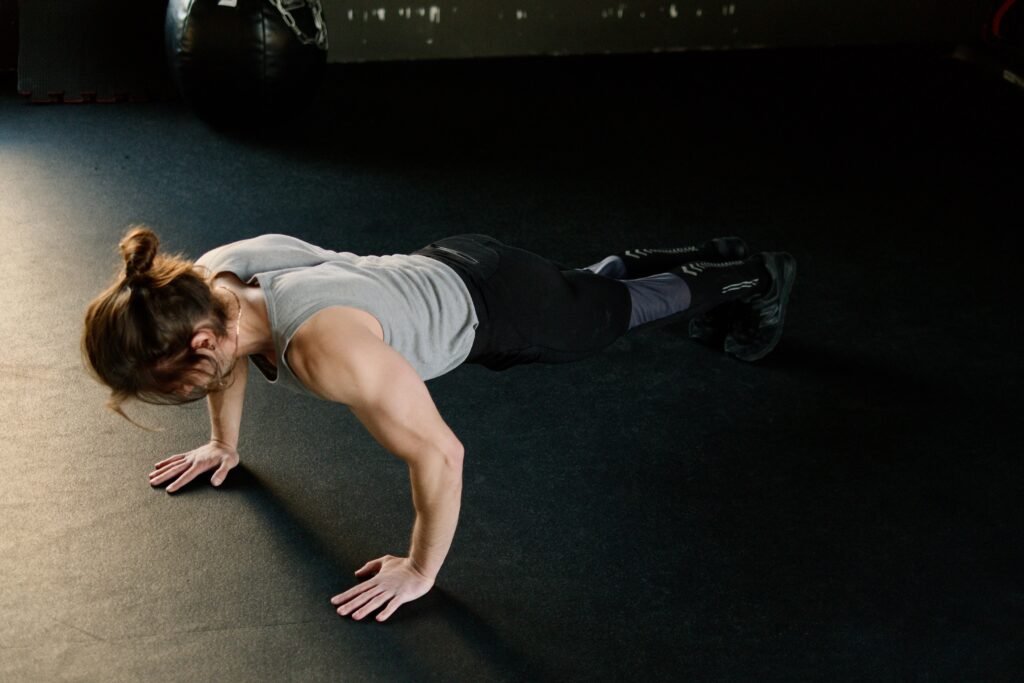
Push-up is a bodyweight exercise that involves lowering and raising one’s body using the upper limbs while maintaining the body in a straight line. This exercise is a compound movement, which means it works several muscle groups at once.
The push-up is a versatile exercise that can be done anywhere and does not require any equipment, making it an accessible option for people who do not have access to a fully equipped fitness center.


Why Are Push-ups So Effective?

Push-ups are so effective because they work multiple muscle groups at the same time.

The main muscles that are being worked are:

  • Chest (Pectoral muscles)
  • Shoulders (Deltoids)
  • Triceps
  • Core muscles
  • Upper back stabilizers

Since multiple muscle groups are being worked, push-ups are also an excellent exercise for coordination, balance, and core strength.


Top Benefits of Push Up Essay

  1. Build Upper Body Strength

It is a great exercise to develop pectorals, shoulders, and arms. It improves muscular endurance and power in a natural way because it works out those muscles.

  1. Work Your Core Muscles

During push-ups, people tend to focus mostly on their chest, arms, and shoulders, but they are actually working out their abdominal muscles, lower back, and hip muscles.

It is essential to hold the correct push-up position in order to engage your abs, glutes, and lower back throughout the movement.

  1. Improve Posture

The majority of the population leads a sedentary lifestyle and spends too much time sitting. Push-ups help to strengthen the muscles that are responsible for keeping your spine straight and prevent slouching.

  1. Increase Bone Density and Joint Stability

The push-up is a weight-bearing exercise. This is critical for enhancing bone density, preventing osteoporosis, and supporting healthy joints. Moreover, if properly executed, push-ups will reduce pressure on the wrists and knees.

  1. Help Lose Weight

This exercise enables you to burn a significant number of calories per hour and build muscle mass simultaneously. Increased muscle will enable your body to consume more calories even when you are sedentary.

When used in combination with proper nutrition and other forms of physical activity, push-ups can help you achieve your goal of losing excess weight.

  1. Enhance Athletic Performance and Daily Functional Abilities

Push-ups are helpful in everyday life because they allow people to perform regular tasks with greater ease and efficiency. For example, lifting bags at the supermarket, carrying children, pushing shopping carts, or sliding across doorways will become much easier after a proper push-up regimen.

  1. Easy to Perform and Accessible Everywhere

There are no equipment needed for doing push-ups. Therefore, they are a convenient exercise for people with a busy schedule who find it hard to visit the gym or buy weights. Push-ups can be done anywhere, even at home. All that is needed is a flat surface to stand/sit and a minute or two to spare.


Correct Push-up Form

When performing push-ups, the emphasis must be placed on the quality of each repetition rather than the quantity of repetitions

Here are some tips for performing push-ups:

Step 1

the person should place their hands slightly more than shoulder width apart.

Step 2

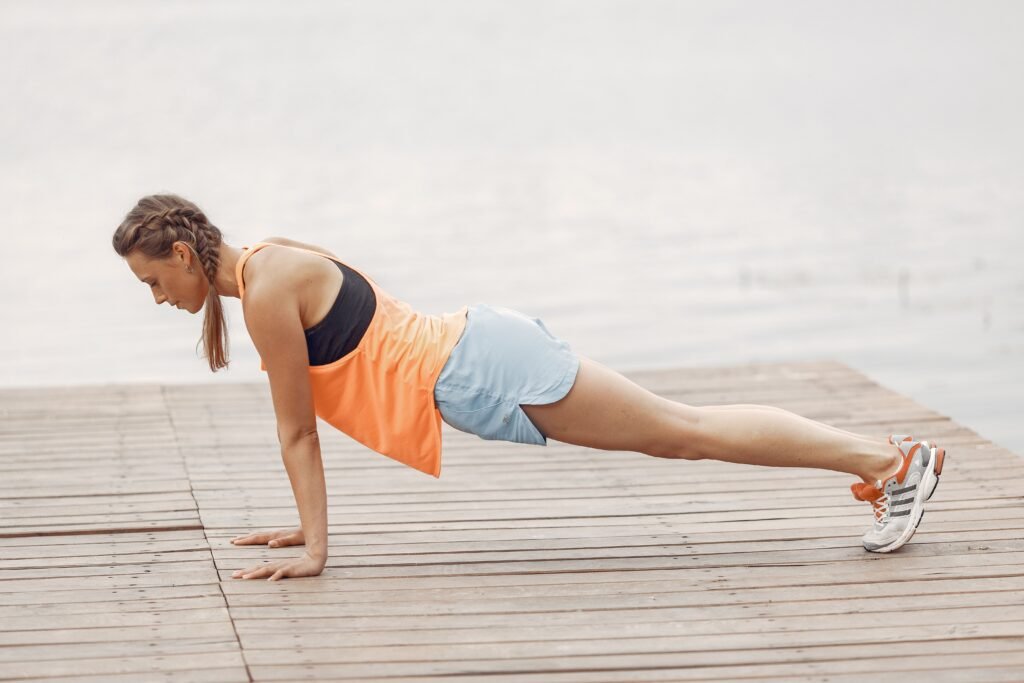
they need to ensure that their body forms a straight line from the head to the heels.

The person must avoid sagging hips or lifting the hips up too high.

Step 3

tightening of the muscles in the core and glutes is important.

Step 4

the person needs to lower their body down towards the floor until their chest is almost touching the floor while keeping their elbows at around 45 degrees.

They should then push themselves back up until their arms are fully extended.

The push-up should be repeated in this manner.

Common Mistakes To Avoid When Doing Push-ups

The following are some of the common mistakes that people make when doing push-ups:

  • Sagging hips
  • Lifting the hips up high
  • Flaring of the elbows
  • Looking up too much
  • Performing the repetitions too quickly
  • Not completing a full range of motion during the repetitions

Push-up Variations

For people of all fitness levels, there are several variations of push-ups as described below:

Wall Push-ups: This is the easiest variation and is highly recommended for senior citizens, elderly people and for those just starting their fitness journey. With this variation, the body weight is significantly reduced since the upper body is supported by the wall.

Incline Push-ups: This is another easy variation for beginners. The person places their hands on an incline surface such as a bench or a table.

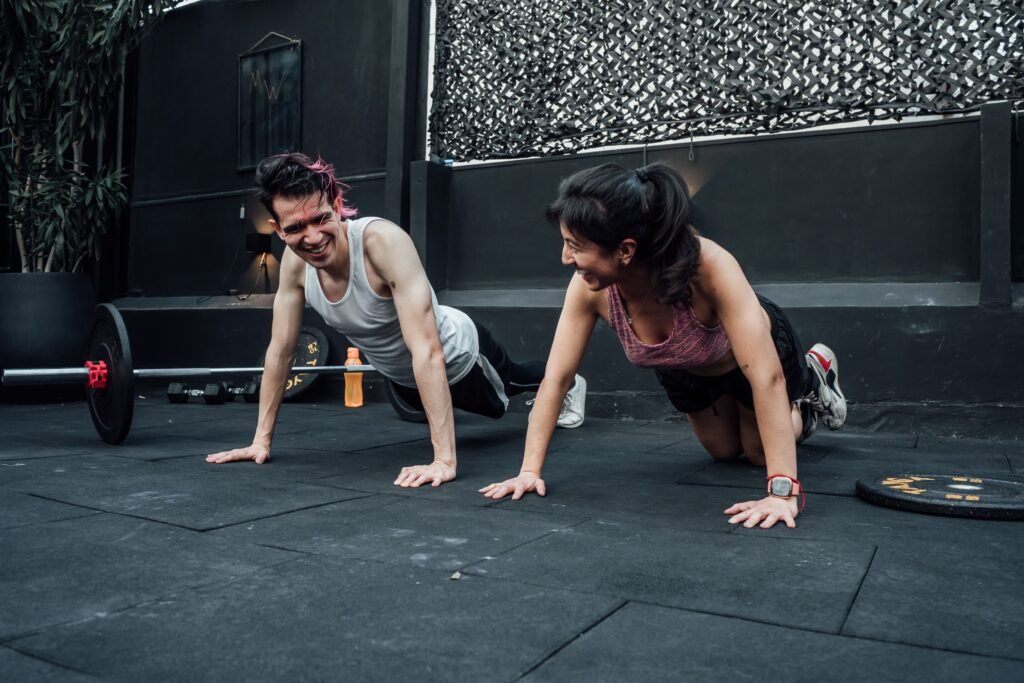
Knee Push-ups : As the name suggests, this variation is performed on the knees. It is suitable for beginners.

Standard Push-ups: This is the most common variation and is perfect for the average fitness enthusiast.

Wide Push-ups: This variation is similar to the standard push-up, except that the hands are placed wider than the shoulder width. This variation targets the chest muscles.

Diamond Push-ups: This variation is characterized by the fact that the hands are placed together in a diamond shape underneath the chest, targeting the triceps.

Decline Push-ups: This variation is slightly more difficult than the standard push-up. The feet are elevated on an incline surface.

Plyometric Push-ups: The hands leave the floor during this advanced variation, requiring explosive power. This variation should only be attempted by people who are already very good at doing standard push-ups.

How Many Push-ups Per Day?

The number of push-ups depends on the individual’s fitness level.

Beginners

should aim for 5-10 push-ups with 2-3 sets 3 times weekly.

Intermediate

fitness enthusiasts need to do 10-20 push-ups with 3-4 sets per day.

Advanced

fitness enthusiasts need to do 20-40+ repetitions with multiple sets per day.

Age Group And Push-ups

Push-ups are ideal for people of all ages, as long as the variation is selected according to the fitness level and ability of the individual.

Children (6-12 Years)

For this age group, having fun is the key priority while learning the correct form. Wall push-ups and knee push-ups are most appropriate for this age group.

Teenagers (13-17 Years)

With this age group, it is safe and recommendable to do standard push-ups as long as the correct technique is adhered to. For teenagers, the focus should be on building muscle mass without overtraining.

Adults (18-60 Years)

All push-up variations can be done by this age group as long as the correct form is maintained. Adults should aim for two to four sets of push-ups, with the intensity and frequency depending on the individual fitness level.

Senior Citizens (60+ Years)

Senior citizens should consider doing incline push-ups or wall push-ups, as these variations are easier on the joints. In terms of the frequency, it is recommendable for seniors to do push-ups 2-4 times a week, leaving at least a day in between each session.                                                                                                                                                         For people with heart conditions, high blood pressure, severe arthritis or those who have been through major surgery, it is important to speak with a doctor before starting to do push-ups.


Real-Life Example

Rahul was a 35-year-old office worker who spent almost eight hours sitting at his desk, leading him to develop poor posture and stiff shoulders. He did not have the time to go to the gym. As a beginner, Rahul started by doing five incline push-ups each morning. After three months, he had progressed to doing three sets of 15 standard push-ups. In addition to walking and eating healthy, Rahul had significantly improved his upper body, posture, energy levels and self-confidence. Doing just five push-ups per day helped him achieve these amazing results.

Expert Tips

It is useful to warm-up for 5-10 minutes before doing push-ups. Another tip is to focus on slow and controlled movements and to breathe in while lowering the body and breathe out while raising the body back up to the starting position. In addition, at least one day should be allowed for rest in between days of doing push-ups. It is also recommendable to combine push-ups with other types of exercises for better results. Eating healthy foods and drinking plenty of water is also important for optimal health and to ensure that the body has the energy to perform the exercises.

Frequently Asked Questions

Can a beginner do push-ups?

The answer is yes. A beginner can either start with the wall push-up, incline push-ups, or knee push-ups before progressing to the standard push-up.

Are push-ups enough to build muscle?

Push-ups are perfect for building muscle, especially for beginners. As one progresses and gains strength, more challenging push-up variations can be incorporated to continue building muscle.

Should I do push-ups every day?

While it is possible to do push-ups every day, it is not always necessary. It is better to allow the body to rest for a day or two in between each day of doing push-ups.

Do push-ups help in weight loss?

Push-ups can aid in weight loss since they help to build lean muscle mass, which in turn increases the metabolic rate. To lose weight, it is important to combine push-ups with a healthy diet and other physical activities.

Final Remarks

Push-ups are one of the best types of exercises, as they can be performed by people of all ages and skill levels. Even though this page has highlighted all the push-up variations for different age groups, it is important to remember that the fitness journey requires consistency, patience and the determination to keep going. Focus should be placed on the quality and not the quantity of repetitions.


Every Step You Take Is an Investment in Your Health

What if one of the best workouts of all time required no expensive gym membership or fancy equipment, but still helped you achieve the same goal?

That workout is called walking.

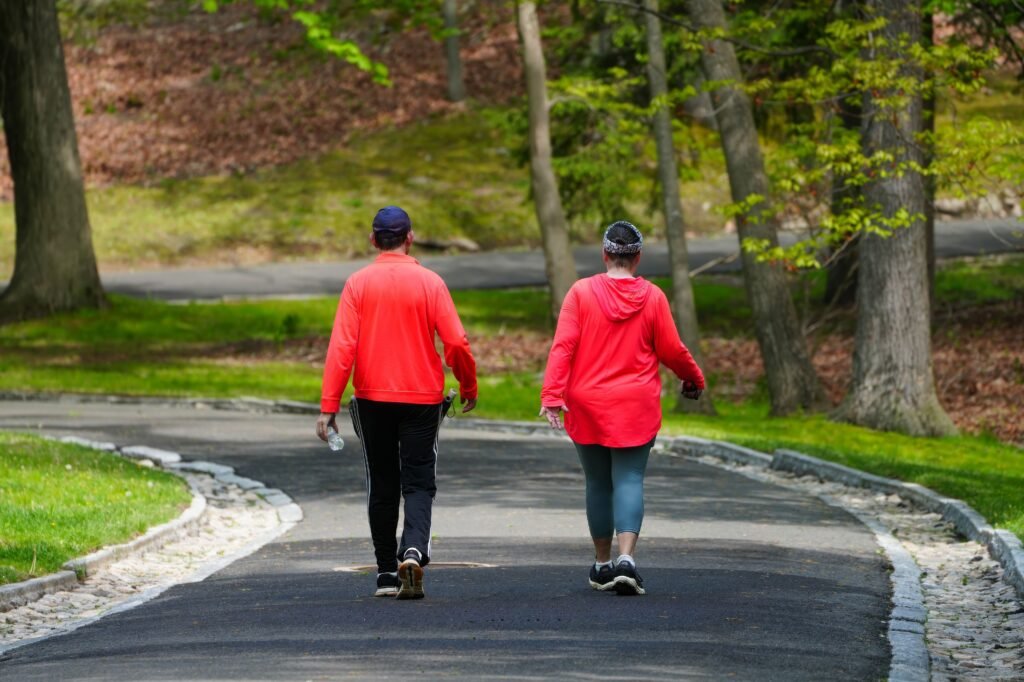
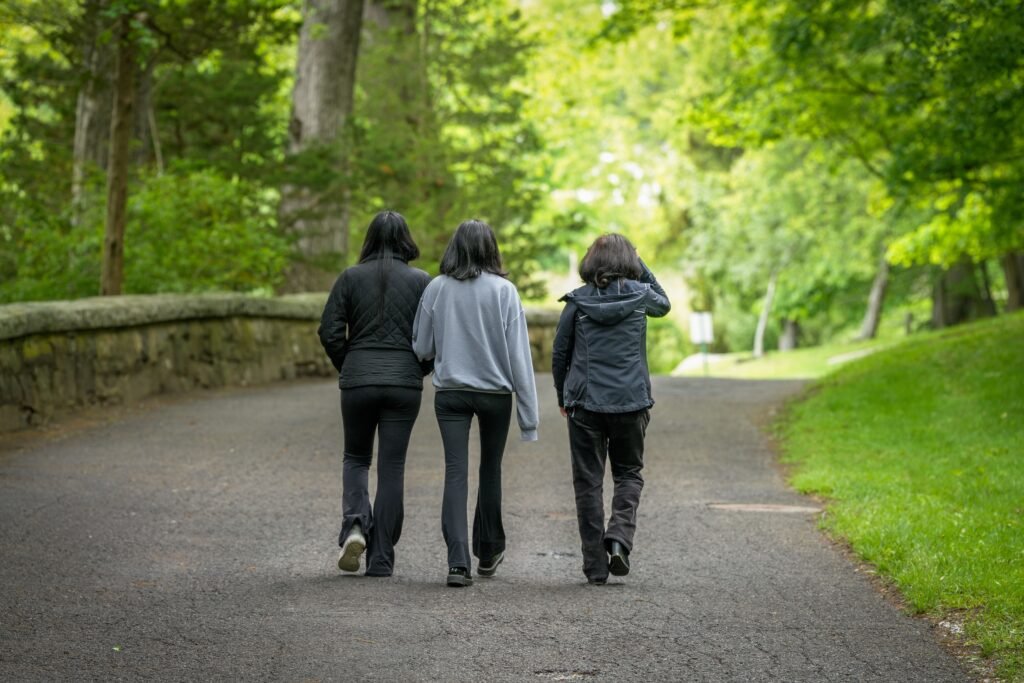
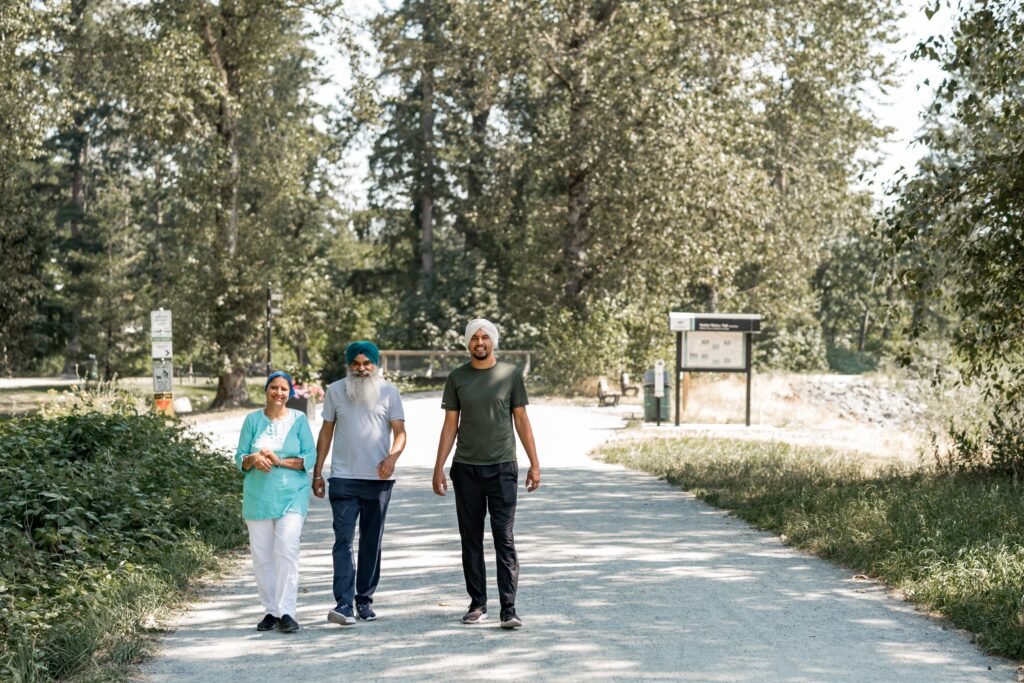
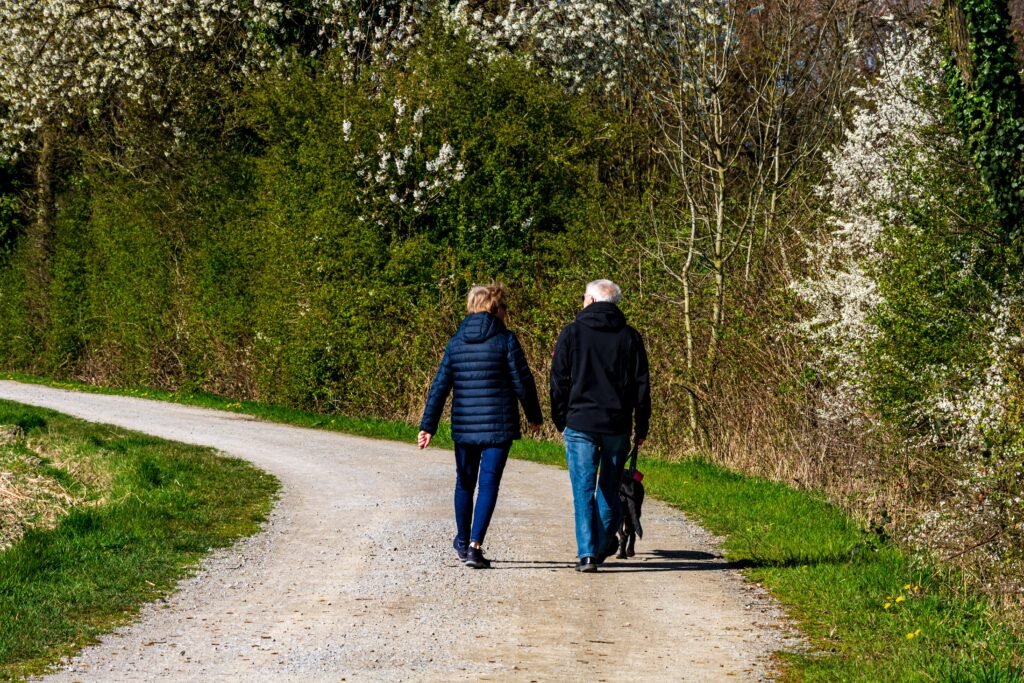
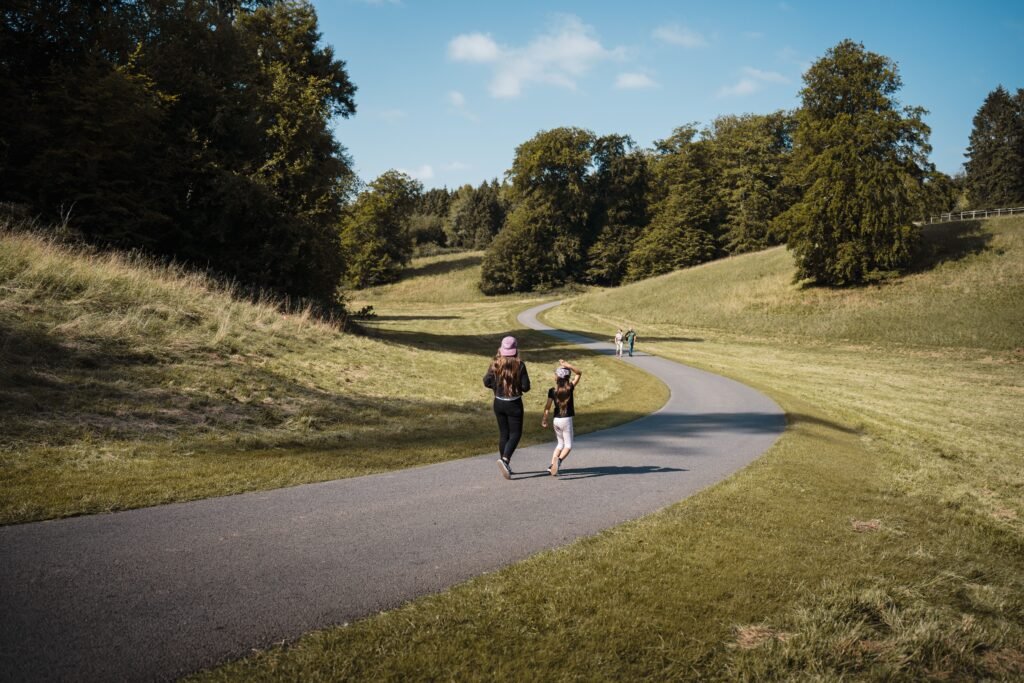
The activity of walking is not only simple, but it is also a natural ability that almost everyone possesses. It is beneficial for both adults and children whether you’re going for a short walk or a long one. Walking has been known to lower risk of heart disease, it can improve balance and muscle tone, it can relieve stress, and help you get the right amount of exercise you need to be healthy.

In our modern world, we sit for long periods of time in an office, at school, or home. Lack of exercise can lead to health issues such as: obesity, heart disease, type 2 diabetes, and mental illnesses. The good news is that if you start to exercise regularly, most of these can either prevent or reduce the effects of these dangers.

If you want to lose weight, live longer, and feel better about yourself, you can do so by just walking.

Why Walking Is So Important

Walking is more than just moving from one place to another. It is a full-body activity that benefits nearly every organ in your body.

Regular walking helps:

  • Improve heart health
  • Strengthen muscles and bones
  • Burn calories naturally
  • Improve blood circulation
  • Control blood sugar levels
  • Reduce stress and anxiety
  • Improve sleep quality
  • Boost energy levels
  • Enhance memory and concentration
  • Increase overall life expectancy

The best part is that walking is a low-impact exercise, making it suitable for people of different fitness levels.


The Science Behind Walking

Walking enhances your heart’s efficiency, improving blood circulation and delivering more oxygen to your body. It strengthens muscles, boosts lung function, and triggers the brain to release endorphins and other mood-enhancing chemicals.
Consistent walking contributes to healthier cholesterol levels by reducing LDL and raising HDL, while also helping to maintain stable blood pressure and better insulin response.
With time, these benefits collectively lower the likelihood of developing long-term health conditions.


Top Health Benefits of Walking

1. Supports Heart Health

Regular walking helps strengthen the heart, enhance blood flow, and support stable blood pressure levels.

Individuals who walk consistently tend to have a reduced likelihood of developing heart disease or experiencing a stroke.

2. Helps with Weight Management

It helps burn calories without putting too much strain on your joints, and when combined with a healthy diet, it helps you to lose weight effectively.

3. Improves Mental Health

Walking outside in the open air can help reduce stress levels in your body. It raises the level of serotonin and endorphins in your brain, making you feel better. And many people will tell you that a walk as short as 30 minutes can do wonders for your mood.

4. Strengthens Bones and Muscles

Walking is a weight-bearing exercise that helps improve bone density and reduces the risk of osteoporosis.

It also strengthens your legs, hips, and core muscles.

5. Improves Blood Sugar

Walking after meals helps your body use glucose more efficiently.

This is especially beneficial for people trying to manage blood sugar levels.

6. Boosts Immunity

When people get enough walking, they miss out on fewer seasonal illnesses. That is because moderate exercise, such as walking, boosts the body’s ability to resist infection.

7. Improves Sleep

When you go to bed every night, a routine walk improves your body clock and allows you to get better rest.

8. Enhances Brain Function

Walking supplies the brain with more blood flow, which improves the brain’s memory, focus, creativity, and ability to learn. It has also been shown to prevent age-related mental decline.

How Many Steps Should You Walk Daily?

The popular goal of 10,000 steps is a good aim, but it’s far from the only healthy goal out thereStudies have found that you actually start getting the most crucial health benefits long before you hit 10,000 steps.

Here are some healthier daily step goals:

Age Group                                    Recommended Daily Steps
Children (5–12 years)                                          10,000–14,000 steps
Teenagers (13–17 years)                                           8,000–12,000 steps
Adults (18–64 years)                                         7,000–10,000+ steps
Older Adults (65+ years)          6,000–8,000 steps (or as comfortable)

Remember: If you’re currently walking only 2,000–3,000 steps a day, don’t worry. Gradually increase your daily steps by 500–1,000 every week until walking becomes a natural habit.

When Is the Best Time to Walk?

The best time to walk is the time you can do consistently. However, different times of the day offer different benefits.

Morning Walk

Benefits:

  • Fresh air
  • Better mood throughout the day
  • Increased energy
  • Helps build a consistent routine
  • Supports weight management

Afternoon Walk

Benefits:

  • Relieves work-related stress
  • Improves concentration
  • Reduces stiffness from prolonged sitting

Evening Walk

Benefits:

  • Helps digestion after dinner
  • Relieves stress
  • Promotes better sleep
  • Gives quality family time

Should You Walk Before or After Meals?

Both have advantages.

Before meals

  • May help burn stored fat
  • Can improve metabolism

After meals

  • Supports digestion
  • Helps control blood sugar
  • Reduces post-meal fatigue

Even a gentle 10–20 minute walk after eating can make a noticeable difference.


Walking for Weight Loss

Walking alone won’t magically melt away body fat, but when paired with healthy nutrition, it becomes a powerful tool.

For weight loss:

  • Walk 30–60 minutes daily.
  • Maintain a brisk pace.
  • Stay hydrated.
  • Eat a balanced, protein-rich diet.
  • Aim for consistency rather than perfection.

Walking Tips for Beginners

If you’re just starting:

  • Wear comfortable walking shoes.
  • Start with 10–15 minutes.
  • Increase your time gradually.
  • Walk at a pace where you can talk but not sing.
  • Keep your shoulders relaxed.
  • Swing your arms naturally.
  • Stay hydrated.
  • Warm up before walking and stretch afterward.

Common Walking Mistakes to Avoid

Many beginners unknowingly make mistakes that reduce the benefits of walking.

Avoid:

  • Walking with poor posture
  • Wearing uncomfortable footwear
  • Walking too fast too soon
  • Skipping warm-up exercises
  • Looking down constantly at your phone
  • Ignoring pain or discomfort
  • Being inconsistent

Remember, consistency matters more than speed.


A Real-Life Example

Rita is a 42-year-old office worker. She spends most of her time sitting in a daze. She was unhappy with her unhealthy lifestyle and wanted to change but could not imagine putting herself through a strenuous exercise regime. Therefore, instead of subjecting herself to a rigorous fitness regime, Rita decided to start with something simple and achievable. Every evening, after work, she walked for twenty minutes. After three months, Rita was walking about eight thousand steps a day on average. She had more energy, better sleep, lost weight, and was generally less stressed. Her physician was also impressed with her improved blood pressure and overall fitness.


How to Stay Motivated

Building a walking habit is easier when you make it enjoyable.

Try these ideas:

  • Walk with family or friends.
  • Listen to music or podcasts.
  • Explore different parks or neighborhoods.
  • Track your steps using a fitness watch or smartphone.
  • Set weekly goals.
  • Celebrate small achievements.

Every step counts.


Frequently Asked Questions


Is walking better than running?

Walking is easier on the joints and suitable for most people. Running burns more calories in less time, but walking is often easier to maintain consistently.

How long should I walk daily?

Aim for at least 30 minutes of moderate walking on most days of the week. Even shorter sessions add up.

Can walking reduce belly fat?

Walking helps reduce overall body fat when combined with a balanced diet and a calorie deficit. Spot reduction is not possible.

Do I need 10,000 steps every day?

No. Many health benefits begin around 7,000–8,000 steps per day for adults. The best goal is one you can maintain consistently.

Final Thoughts: One Step Today, A Healthier Tomorrow

Walking is a wonderful way to improve your life. It is a great exercise that will help you get healthier and happier. When you walk it gets your heart pumping, it helps clear your mind, and it builds your fitness, all of those things will lead you to a better life.
You need not be perfect, and you need not strive for ten thousand steps a day, all that matters is that you make those first steps and keep going. Whether it be walking in a nice path at sunrise, taking a walk home from the store, or walking during your lunch break; these things all will improve your physical and mental health.
So take those first steps today, walk at your own pace, and build a habit that will change your life, for all great journeys begin with a single step.


A Refreshing Path to Fitness

Water moving around you makes swimming feel light, yet strong. Pools, lakes, or oceans – each place gives space to stretch arms and legs without pressure on bones. Instead of pounding feet into pavement, here motion flows smoothly through resistance. Movement builds strength, yes, but also clears the mind after long days. Joy often shows up quietly between breaths taken at regular intervals. Body works hard even when it seems like play. Swimming fits into any age group like pieces of a puzzle snapping together. Whether it is kids picking up how to stay safe in pools or seniors keeping their bodies moving, each person finds something useful here. A steady habit around laps or lessons builds strength without calling attention to itself. Health grows quieter than expected when water becomes part of daily rhythm. Balance shows up slowly, tucked between strokes and breaths.

Benefits and Advantages of Swimming

Water carries your weight, so knees and hips feel less pressure during laps. Muscles throughout the body get moving in ways that build power, stretch tight spots, because of repeated strokes. Heart function grows steadier when swimming becomes part of weekly movement. Lungs learn to hold more air over time thanks to rhythmic breathing patterns. Burning energy happens without strain since resistance comes naturally from each motion through liquid space. Swimming does more than keep muscles strong – it eases tension, lifts spirits, one moment at a time. Picture older people moving through water each morning, gentle on joints yet full of energy. Athletes train in pools too, building endurance without harsh impact. Some notice changes fast – after weeks of half-hour sessions, bodies feel different. Health shifts quietly when water carries you.


Making Swimming a Healthy Habit

Showing up often matters more than going hard every time. Before slipping into the pool, move your body gently to wake it up. Water keeps you cool, but you still need sips between laps. Gear like goggles or caps can make things easier – use them if needed. Starting slow gives confidence room to grow. Little by little, longer swims feel natural. Staying steady with routines builds strength without strain. Safety slips in quietly when good steps become normal. Enjoyment follows where discomfort fades. The water stays kind to those who listen.


Final Thoughts

Water moves through muscles like quiet work, building strength while sparing joints. Not just kids splash around – grown-ups find calm there too. When breath syncs with motion, thoughts slow down, worries loosen their grip. This kind of movement carries hearts toward steadier beats, day after day. Instead of punishing effort, it offers flow, gentle but firm in how it shapes days. Over time, bodies adapt quietly, gaining energy that doesn’t fade fast. Staying well isn’t loud or flashy here; it happens beneath the surface, one stroke at a time.

Why Bike Riding Matters  

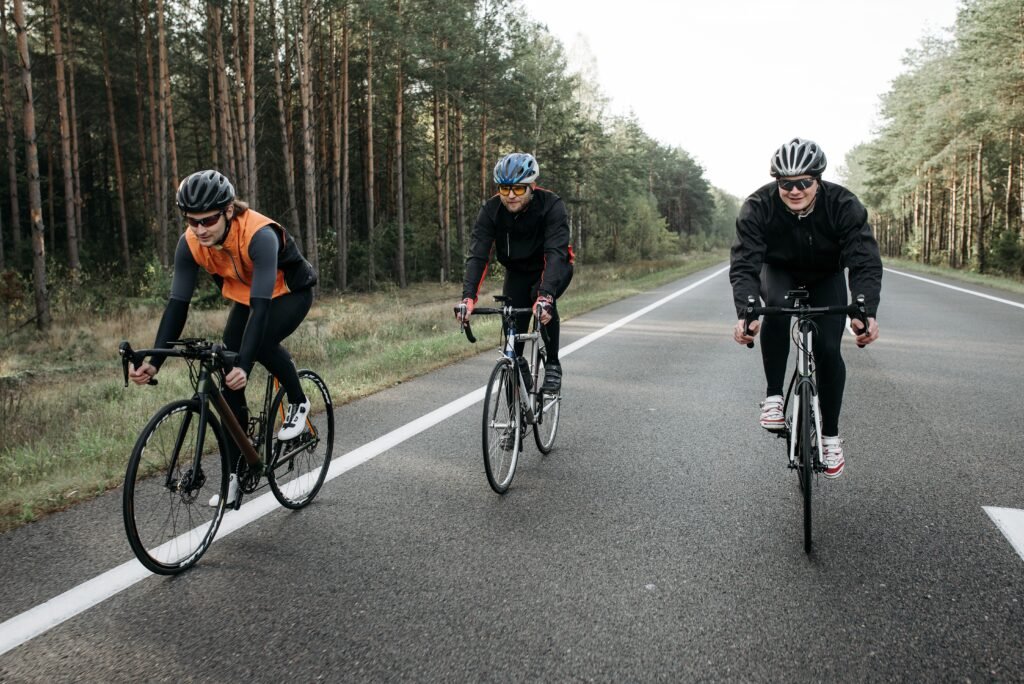
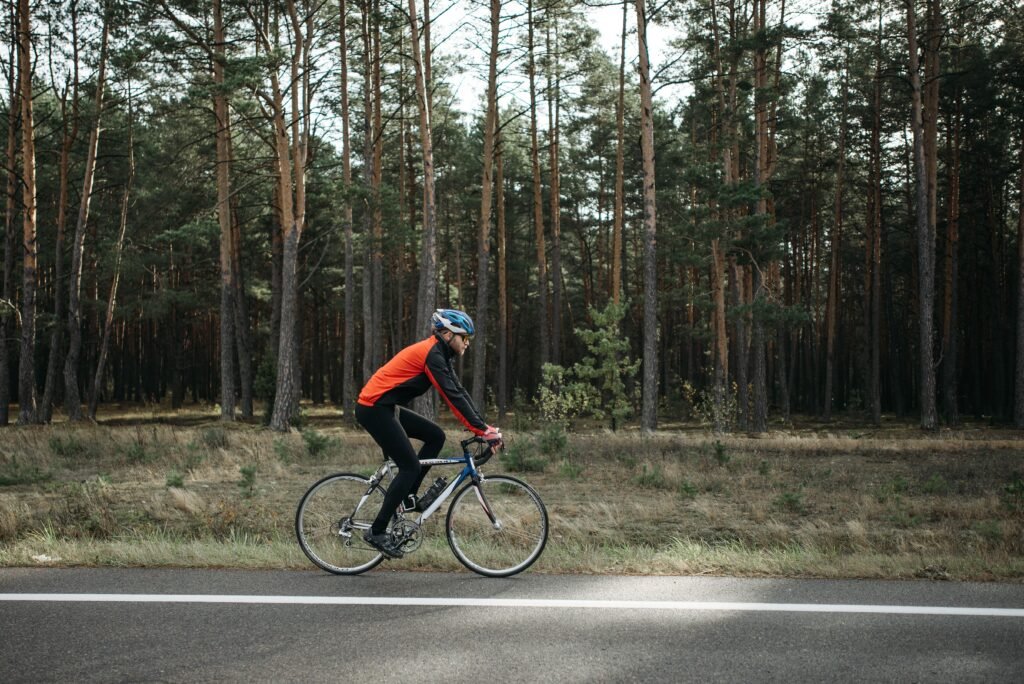
Pedaling along city streets or country paths brings motion without strain. Not just for getting around, wheels turn routine moments into quiet victories. Experts point out heart benefits when legs keep spinning week after week. Joints stay happy too – no harsh pounding, just smooth effort. Some notice clearer thoughts by late afternoon if mornings include a ride. Joy hides in rhythm, where breath matches beat and tension slips away. Effort folds into life instead of standing apart like chores do. Over time, bodies grow steady, minds feel lighter – not from pushing hard but showing up. Movement becomes normal again, not something scheduled or forced.

 Why Bike Riding Is a Great Exercise

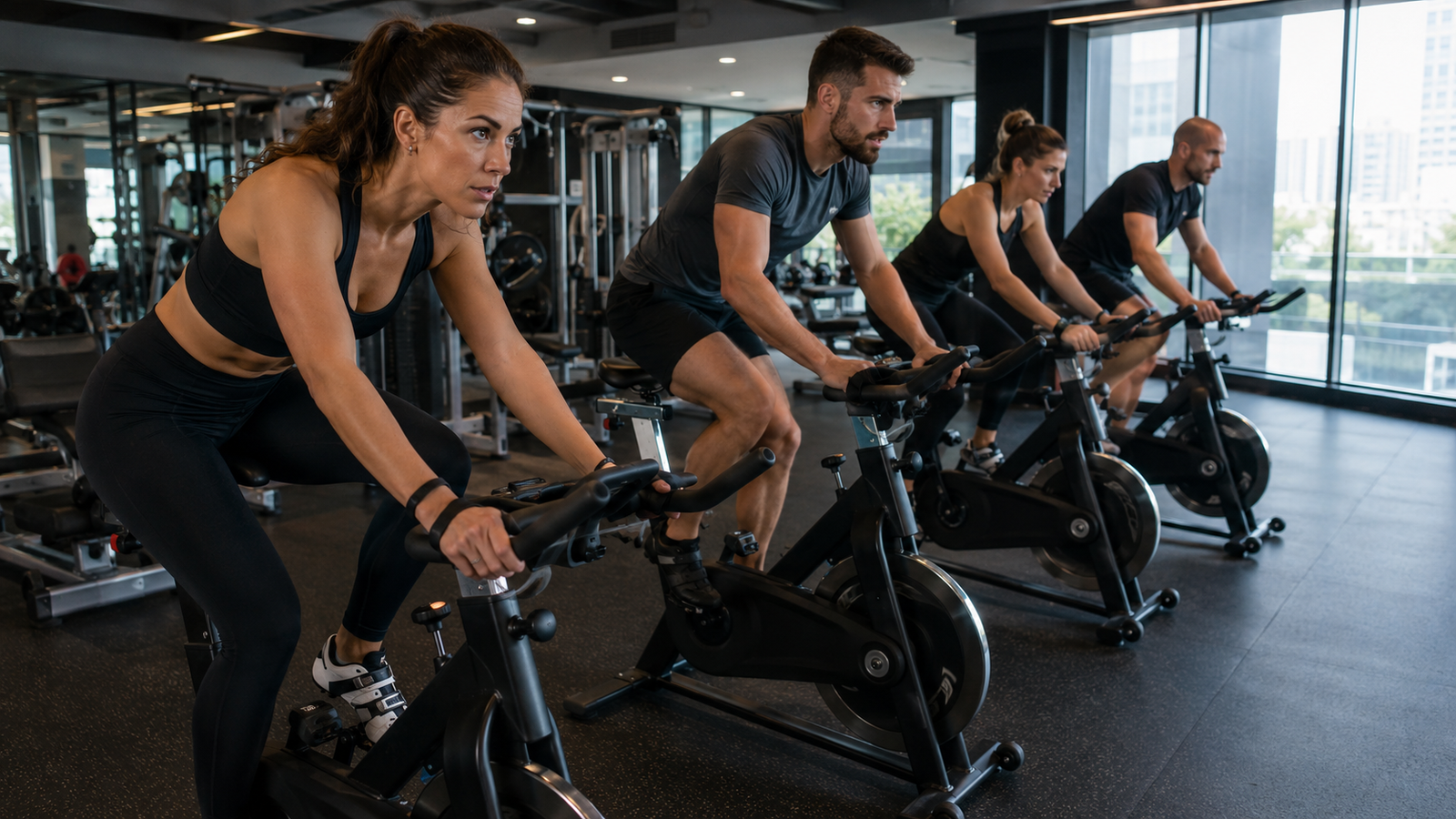
Bike riding  gets you moving, outside or right where you are on a stationary model. Experts tend to suggest it since it boosts cardiovascular function, builds stamina, yet still goes easy on the knees and hips. Muscles in the legs gain strength through regular spinning sessions.

Some people find it hard to cycle outdoors because of tight timetables, rain or snow, or few safe paths nearby. When that happens, riding a bike indoors becomes an easy option – just as effective for staying fit.

A single morning session on the bike might be enough for someone working at home. Instead of sitting all day, they move – clearing the mind while building strength. Over time, those minutes add up, shaping routine into something useful. Movement becomes part of the rhythm, not an extra task. Body feels better, mood steadies, effort fades into background.


Why Bike Riding Is Worth It

Most people find pedaling along brings quiet joy alongside steady health gains. Out on the road or spinning indoors, motion keeps the heart strong without pressing hard on joints. Some notice clearer thoughts after just ten minutes in the saddle each day. Muscle grows quietly when legs push through consistent loops. A morning loop around the block often clears tension before work begins. Over time, those small trips add up – less fatigue, better balance, sharper focus. One person might start slow, then discover longer paths feel natural later. Routine turns effort into habit so easily it hardly feels forced. Years pass. Energy stays higher than expected. Mind stays clear. Body moves with purpose.


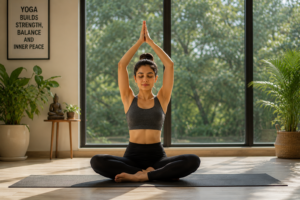
Discover the benefits of yoga for all ages. Improve flexibility, strength, balance, and mental well-being with a simple daily yoga practice.

Most folks find yoga works well no matter their age – kids, adults, even older people stick with it. Movements stay soft, paired with long stretches, focused breaths, tied to staying aware moment by moment. Over time, bodies move easier, feel sturdier, stand straighter, hold steady without wobbling. Tension slips away slowly while calm grows deeper, nights turn more restful too.

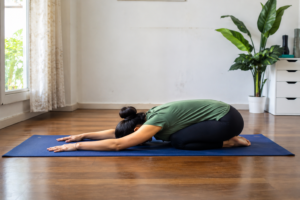
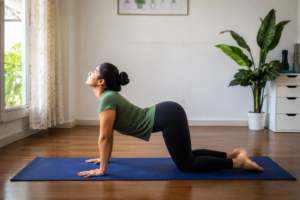
Some days start easier when you move gently for about fifteen to twenty minutes. Energy rises, focus sharpens, wellness follows – all through slow stretches done quietly in your space. Try standing like a tree, folding forward like a child resting, or flowing between arch and round on hands and knees. These shapes need nothing but floor and breath, learned fast, repeated often. Fitness grows not just by effort, yet also by pause, by presence woven into morning or night. A steadier body appears, thoughts settle like dust after wind, balance comes without chasing it.

Three people practicing yoga in a park during fall surrounded by trees.

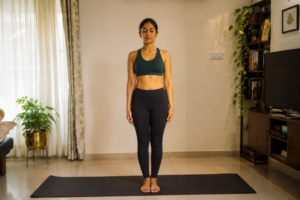
Mountain Pose (Tadasana)

Start here: a quiet stance, feet touching, body alert but loose. This pose – basic, still – is something you can return to every day without effort. Arms hang down, palms near thighs, weight spread evenly across both soles. Let each breath move in at its own pace, nothing forced. The back stays long, head lifting as if pulled upward by air.

Standing tall each day shapes better stance, steadier steps, eye-opening self-feel. Legs grow firm, center tightens – alignment clicks without force. Hours glued to chairs or glowing panels often twist how we hold ourselves. This stillness fights slouching, builds quiet strength that stands on its own. Some days start better when you spend a little time moving your body each morning. Standing tall like a mountain might seem simple, yet it works well no matter how old you are or how much you usually exercise. That quiet moment helps settle the mind, wake up muscles, slowly pulling attention into the present. Anyone can try it without needing special gear or space. It fits easily into routines, whether before coffee or after brushing teeth. The stillness builds strength quietly, not loud or fast, just steady.

Child’s Pose (Balasana)

Resting gently, Child’s Pose offers quiet comfort for both body and thoughts. On hands and knees, settle hips toward heels as arms extend ahead. Forehead meets floor, breath slows down.

Resting into this position softly opens the spine, hip area, one shoulder at a time, as breath slows down. With each session, tightness fades a little more, thoughts settle, movement becomes smoother. When evening comes or the mind feels heavy, this shape offers quiet support. Instead of pushing through, simply being here brings clarity – like water clearing after rain. Bent knees on the floor, a child might hold this position without effort. With time spent here each day, tension often melts while breath slows down. Head resting low, someone finds space between thoughts grows wider. This shape fits into mornings just as easily as late nights. A pause like this one tends to steady the body along with the mind.

Cat-Cow Pose (Marjaryasana-Bitilasana)

Start on hands and knees, body ready to move. Breathe in while lifting the head, belly dropping toward the floor – this opens the back like a gentle wave. As air leaves the lungs, pull the chin down, spine curving upward like a sheltering dome. Two motions flow together, one after another, smooth as tide shifting over sand. The spine bends first one way, then the reverse, each motion guided by breath alone.

A slow rhythm here loosens tight spots along the spine while quietly shaping better balance and stance. When tension grips the neck, arms, or lower back – common after hours at a desk – this shift brings ease. Breath finds a steadier path through the lungs as mental weight slips away. Each day spent moving like this wakes up stiff joints, sends more blood into quiet areas, readying muscles for what comes next. Newcomers find it steady, reliable – a soft start that fits smoothly into morning or night without fuss.

Conclusion

Some days begin better when the body moves gently through shapes. Older folks find ease just as easily as kids do when trying slow stretches. Instead of rushing morning routines, standing still like a tree builds quiet power. A small shift – like kneeling down and rounding the back – can soften tight shoulders. Even ten breaths spent moving between floor positions may clear a foggy mind. No need for long sessions; brief moments add up if done without pause. Certain motions link breath to movement so tension slips away unnoticed. Practice happens anytime: before meals, after sitting too long, during breaks. Poses named after animals or nature invite playfulness without calling it exercise. Over time, staying steady becomes less about effort and more about returning.


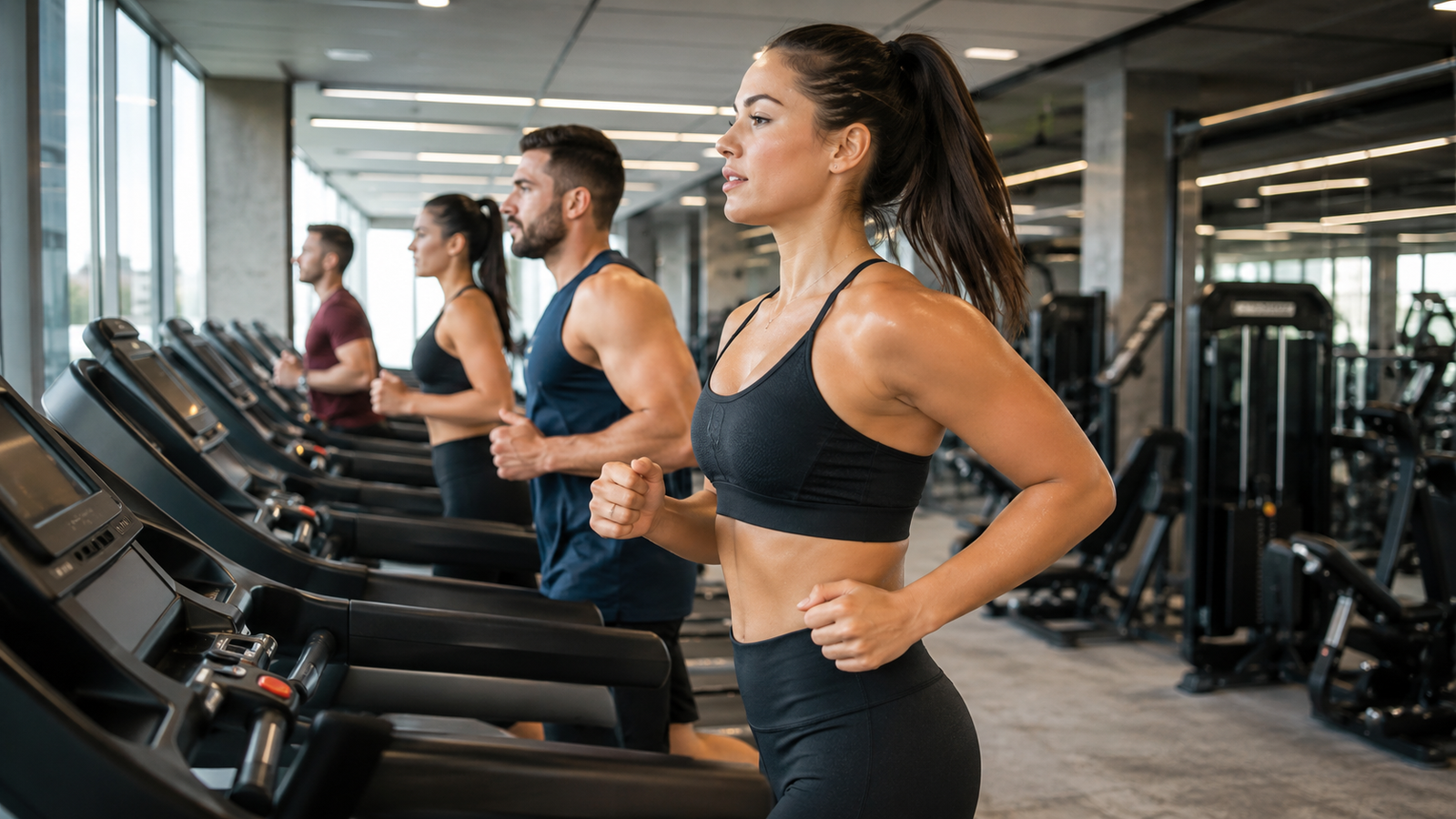
Why Is the Gym Important?     

Exercise at the gym can be a major element of an active and healthy lifestyle, allowing you to have a toned, strong, and fit body. Workouts at the gym will strengthen your muscles and improve your fitness levels and body stamina, and flexibility. Gym workouts will also enable you to maintain an ideal weight as they burn a lot of calories and boost metabolism.                                                                                                                                             A regular workout plan at the gym does not only benefit your body but also your brain. It helps you to de-stress, improve your moods and self-confidence, and feel more energetic throughout the day. The consistent gym training also encourages disciplined lifestyle and also boosts sleep.                                                                                                                                                                                                                                     Most people will find that 30 to 60 minutes of gym workout daily are adequate. While beginners may only need to commit to 30 to 45 minutes, active gym members may extend this to 45 to 60 minutes. If your body is too sore, you must also ensure that you take days of to let your muscles recover and grow stronger.

In summary, the gym will keep you fit, healthy and confident.

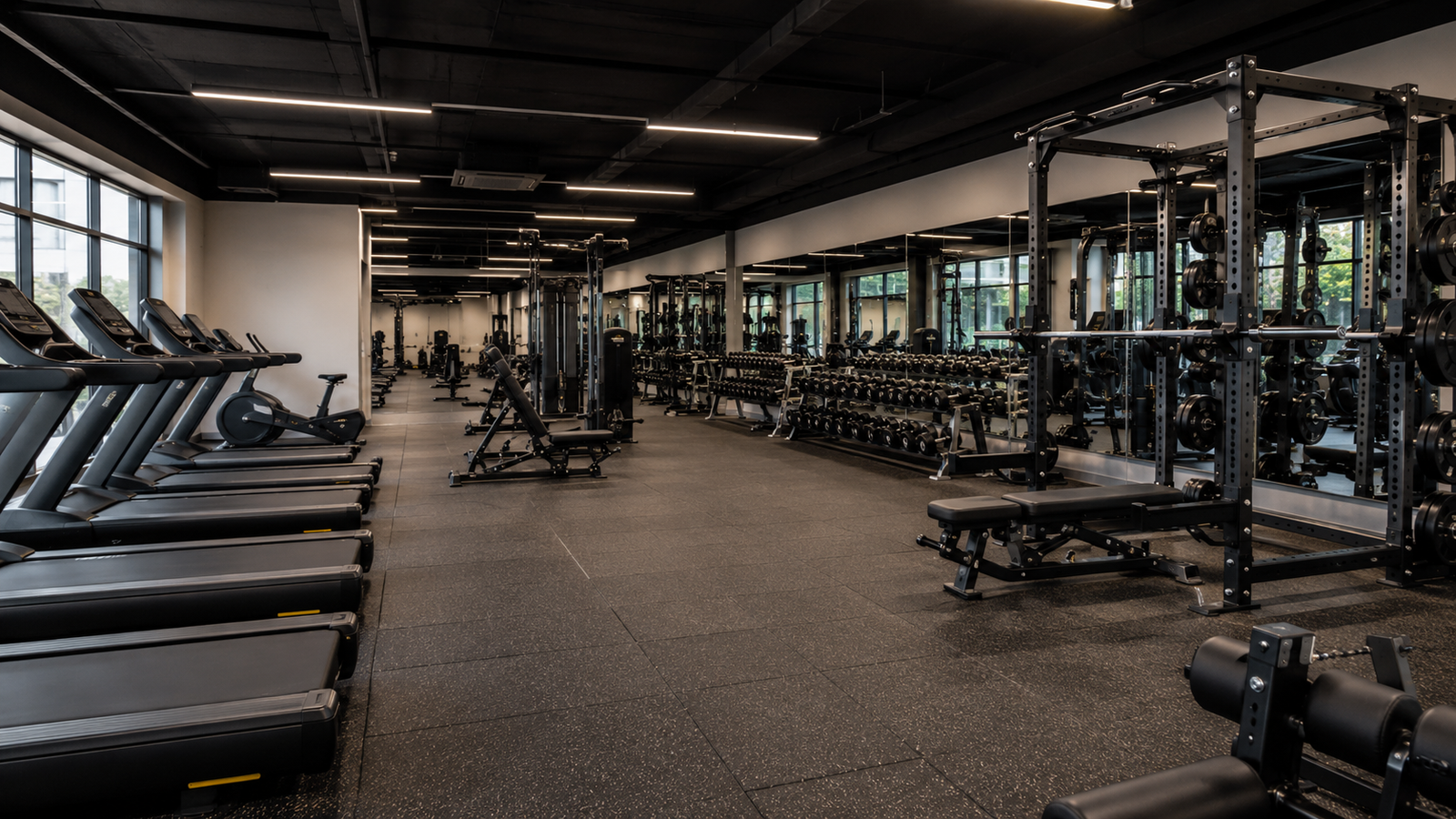
                                                                                                                                                                                          Here are 3 gym equipment options that almost everyone aged 18-50 can use, providing appropriate fitness level and good health condition:                                                                               

Treadmill :  A treadmill is a handy gym machine for walking, jogging, and running indoors. It helps improve stamina, burn calories, support weight management, and strengthen heart health. Users can control speed, incline, and workout time based on their fitness level. It is suitable for both beginners and regular gym goers. A treadmill also makes exercise convenient since it can be used at any time, no matter the weather or outdoor conditions.                                                                                                                               


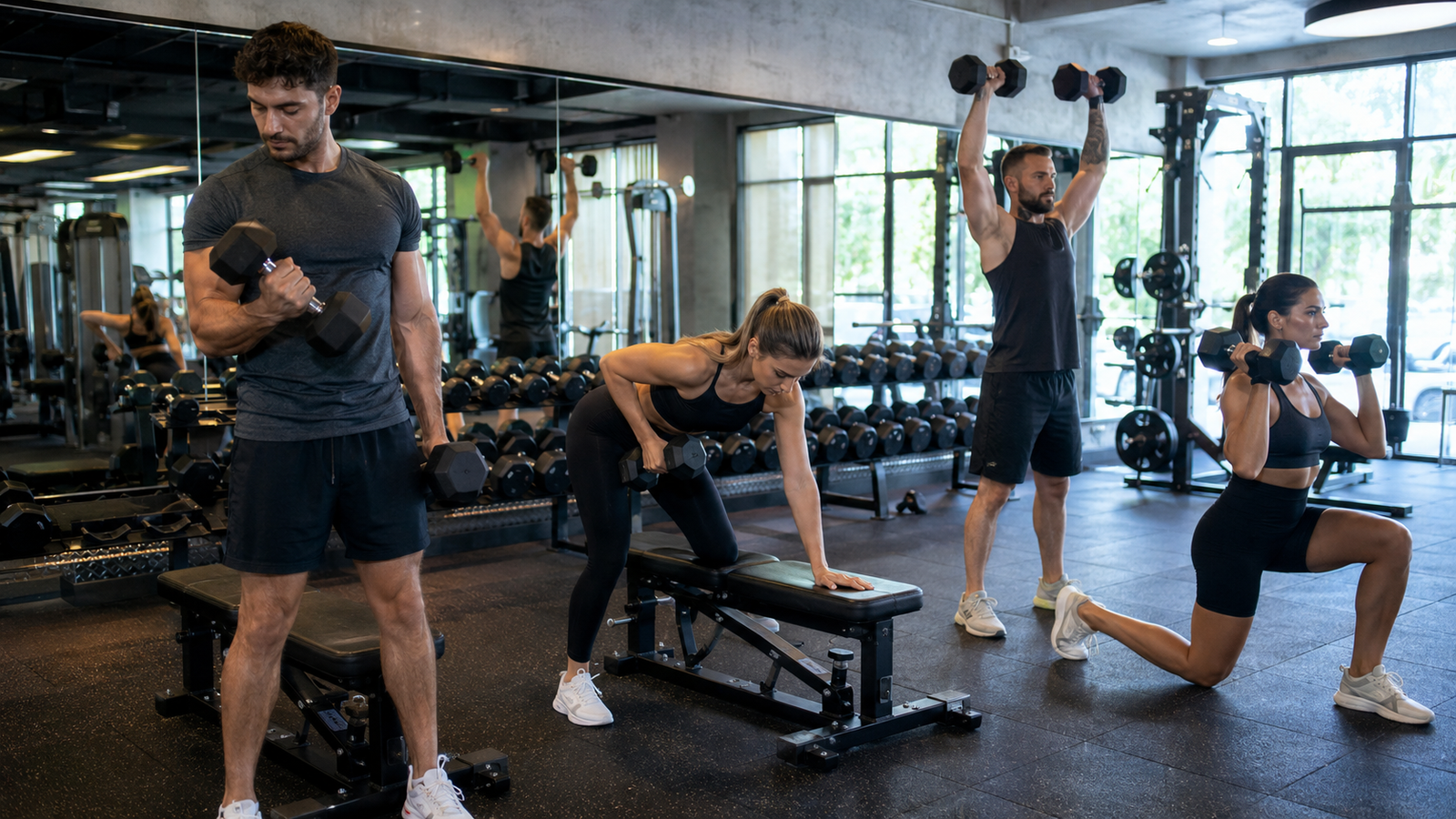
Dumbbells: Dumbbells are practical gym tools for strength training and building muscles. They help strengthen the arms, shoulders, chest, back, and legs through various exercises. Dumbbells are great for both beginners and experienced gym-goers since they come in various weights. They also help with balance, coordination, and body control. When used with proper form, dumbbell workouts can aid in fat loss, muscle toning, and overall fitness.                                                                                                                       

                                                                                                                                                                                   Stationary Bike: A stationary bike is a great tool for a low-impact cardio workout and can increase endurance, burning calories and aiding in weight management, and is great for building leg muscles. Knee impact is minimal compared to running which can be beneficial to those beginning exercise routines, and even those around 50, as a resistance and speed can be controlled at one’s own pace, which makes for easy at-home workouts.                                                                                                                                                                                     


The Intelligent Way to Get Fit: Going to the gym on a consistent basis can also greatly help improve overall health, fitness levels and body confidence. Strengthening the body, aiding in weight loss, building stamina, and keeping the mind refreshed. Many of us are more inclined to using gym equipment such as the treadmill, dumbbells and stationary bike as they are convenient to use, reliable and effective for a wide range of individuals with varying fitness levels. If using all three machines and implementing it within your regular fitness program, with ample rest time included it should provide for a safer and easier training routine.

Why Walking Is Important in Our Life

Walking is one of the easiest and most beneficial forms of exercise. It helps keep the body active, strengthens the heart, improves blood circulation, and supports healthy weight management. Regular walking can also reduce the risk of many health problems, including heart disease, diabetes, and high blood pressure.In addition to physical benefits, walking improves mental health by reducing stress, anxiety, and depression. Spending time walking outdoors can boost mood and increase energy levels. Just 30 minutes of walking each day can lead to a healthier body, a clearer mind, and a better quality of life.                                                                                                Benefits of Yoga                                                                                 Yoga is a simple yet potent practice for enhancing physical and mental health. Regular yoga practice improves flexibility, builds muscle and enhances balance and posture. It also helps you breathe better, which helps with your energy levels and overall well-being.                                                                                                                                                                                                Yoga has many benefits, one of the greatest being stress relief. Yoga calms your mind, reduces anxiety and improves focus through deep breathing and mindfulness. It can also aid heart health, improve immunity, and enhance sleep quality. Yoga can help promote a healthier, happier and more balanced lifestyle for people of all ages by doing yoga for just 20-30 minutes a day.                                                                                                                       Advantages of Going to the Gym                                                      Going to the gym regularly is a great way to improve your overall health and fitness. It helps build muscle strength, increase stamina, and maintain a healthy weight. Gym workouts also support heart health by improving blood circulation and reducing the risk of diseases.Regular exercise boosts energy levels, strengthens bones, and enhances flexibility. In addition, gym training improves mental well-being by reducing stress, anxiety, and depression. It promotes better sleep, increases confidence, and helps you stay motivated. Just a few gym sessions each week can lead to a stronger, healthier, and more active lifestyle.