Virdhabon: History, Significance, Rituals, Date & How Is Celebrated

Introduction

India has diverse festivals, religious practices, and rituals that are an integral part of daily life. The devotion, family traditions, and religious beliefs have deep significance to the people. Not only is it a religious practice, but it also gives them a chance to have quality time with family, follow traditions, and pass on cultural heritage.

In this blog post, we will discuss the meaning of Virdhabon, its religious significance, history, rituals, and how it is celebrated, with fasting and important things to know.

Note: Religious practices vary according to region, family traditions, and Panchang. Thus, the article is only informative, and the readers are requested to follow the religious practices that have been existing in their community for generations.

What Is Virdhabon?

Virdhabon is a religious observance whose significance and rituals may vary depending on the regional tradition. Before publishing this article, it is essential to know the exact local name and spelling as similar-sounding words may have entirely different meanings for Hindu observances.

It is a significant point for a religious blog to remain accurate and culturally sensitive. A festival’s date, deity, fasting rules, puja procedure, and story should ideally be backed by religious texts, Panchang, or scholars of the tradition.

Historical & Religious Significance

India’s religious traditions are diverse and often combine elements of culture and scriptures. Many Hindu vrats and festivals promote values like devotion, austerity, gratitude, charity, family welfare, and introspection.

The significance attributed to a particular day could have both religious and cultural dimensions. Observing a vrat can be seen as an opportunity to pray, offer puja, fast, visit a temple, offer donations, or engage in community service.

However, it is essential to distinguish between claims of supernatural efficacy and unsubstantiated assertions. This approach ensures the blog’s authenticity and adheres to guidelines for credible information dissemination.

How Is Virdhabon Celebrated?

Depending on the region and community, the following are some common rituals:

1. Cleaning the House

Before starting with any religious activity, it is important to clean the house. This step is connected to a positive mindset and making the place pure.

2. Taking a Ritual Bath

One of the most essential steps for Hindus is to take a ritual bath before puja. It is customary to wear new or clean clothes after the bath.

3. Preparing the Puja Place

A clean place is necessary to keep the idols/images of the gods. The devotees may light incense sticks, diyas, and candles. They may also keep sweets, fruits, flowers, or water as offerings.

4. Prayer, Mantra, and Stotram

This step is connected to the deity or scripture one worships. It may involve chanting mantras or stotrams, or reading the vrat katha. It is important to verify the accuracy of the content from a reliable source connected to the tradition.

5. Fasting

Depending on the tradition, many Hindus observe a fast on this day. The fasting rules could range from light (fruits and milk) to a complete fast.

Those with health conditions, children, elderly people, pregnant women, and nursing mothers should avoid fasting without consulting a healthcare professional.

6. Offering Food & Charity

Hindus believe in daan or charity. Hence, it is considered an auspicious activity to offer food, clothes, money, or other items to the needy.

Spiritual Significance Of Virdhabon

Apart from the do’s and taboos, religious practices offer many benefits to the people who follow them. They help people come together, make them aware of social issues, and make them strong in mind and spirit.

Festivals like Virdhabon are not only for the deity but also for the people. It gives the whole family a chance to bond and for the children to learn about the cultural and traditional practices from elders.

Virdhabon Puja Samagri

The particular puja materials should be inquired according to the tradition of the specific Virdhabon. Typically, the items listed below may be deemed as common Hindu puja offerings:

Flowers
Incense sticks
Diya
Cotton wicks
Oil or ghee
Fruits
Sweets
Rice or akshat
Water
Sandalwood paste
Kumkum
Turmeric
Betel leaves and nuts
A clean cloth

It should also be noted that not all items listed above are mandatory, as devotion to the deity and following tradition is more important than buying an extended list of ritual items.

Why Is Virdhabon Important?

The significance of Virdhabon is multi-faceted and may be interpreted from different perspectives.
Religious: The day is favorable for prayers and rituals for the followers of Hinduism.
Cultural: Observing the day is crucial for preserving cultural heritage, as diverse stories, rituals, dietary habits, and even family traditions may be handed down through generations.

Social: Religious holidays typically feature the gathering of extended families and communities and promote philanthropy.

Famous Temples in Vrindavan

The temples in Vrindavan are one of the main attractions of the city. Each temple has its own unique features, be it history, interior, architecture, or rituals.

Banke Bihari Temple

The Banke Bihari Temple is one of the most popular and the most visited temples in Vrindavan. The temple is devoted to a unique manifestation of Krishna called Banke Bihari.

The main feature of this temple is its incredibly rich and unique worship system and the associated massive influx of pilgrims that occurs throughout the year, peaking on Janmashtami and Holi. It is essential to remember that there are specific rules to be followed while visiting the temple.

Prem Mandir

Prem Mandir is considered to be one of the most remarkable modern temples in Vrindavan. It is made of white marble, decorated with stunning carvings, and surrounded by a beautiful landscape. The temple’s architecture is unique, as it combines exquisite fine workmanship, a captivating location, and dramatic lighting, especially at night.

The temple is perfect for taking pictures, but it has specific rules regarding photography. This temple is also called the Radha and Krishna Temple.

ISKCON Vrindavan

ISKCON Vrindavan Temple, also referred to as Krishna-Balaram Mandir, is one of the most iconic international centers of ISKCON (International Society for Krishna Consciousness) in Vrindavan. Devotees to Krishna have gathered at this spiritual temple complex to perform and promote congregational chanting, provide education on Vedic scriptures, and develop a wide range of spiritual practices.

The temple has a unique international flair due to the presence of visitors from other countries. The most notable attraction is the kirtan, devotional music, and dances performed by local devotees, as well as the tranquil atmosphere of the temple courtyard.

Radha Raman Temple

Radha Raman Temple is one of the oldest and most renowned Vaishnavite temples in Vrindavan with a long and storied history. This temple complex is one of the most revered seats of the Gaudiya Vaishnavism tradition and continues to attract scores of devout pilgrims from around the world.

This place is significant for its historical legacy and ancient rituals. In addition, Radha Raman is famous for its unique and comparatively modest interior as compared to other similar temples.

Radha Vallabh Temple

Radha Vallabh Temple is another famous example of a Vaishnavite temple. Radha Vallabh is yet another manifestation of the divine love of Radha and Krishna. The unique feature of this temple is the rich set of rituals and unique culture of devotion that is deeply intertwined with the lifestyle of the locals.

It allows the visitor to get acquainted with the history of the Braj region and get to know the local traditions and customs of the culture of Vaishnavism.

Places to see near Vrindavan

Apart from the large number of beautiful temples, the region around Vrindavan is full of historic, cultural, and religious sites.

The Yamuna Riverfront

The banks of the Yamuna River are sacred to the locals, and many come to pray, attend the aarti ceremony, take a walk or a boat ride. The riverfront is especially beautiful in the early morning and at sunset. In addition, photographs against the background of the Yamuna River will be an unforgettable souvenir. However, it is essential to remember that the Yamuna River is sacred, so it is important to keep it clean and not dispose of any trash in the water.

Mathura and the Keshav Dev Temple

The excursion to Vrindavan is incomplete without a trip to Mathura, a city located only a few dozen kilometers away. Mathura is considered the birthplace of Krishna and is closely linked to him. Consequently, visiting Mathura is an excellent way to immerse yourself in the rich culture and local history of the region.

Govardhan

Govardhan is a small village located near Vrindavan. It is famous for being the place where Krishna lifted Govardhan Hill to shelter the people of Braj from the wrath of Indra, the king of the gods. The highlight of the excursion to Govardhan is the opportunity to participate in the ritual called Govardhan Parikrama. It is essential to remember that walking around Govardhan Hill is a significant event for devotees, and therefore, before planning such a trip, one should think about the associated costs and risks.

Important Things to Remember

Before observing Virdhabon, the devotees may wish to consider the following points:

Double-checking the date according to the local Panchang
The deity to select, if a choice is possible, and the corresponding rituals
The time of the event
Fasting-related recommendations
The presence or absence of the need to recite a specific mantra or vrat katha
Differences between the traditions in the region and country

Most importantly, there is no need to impose one’s family ritual on other families, as there are numerous variations of Hindu rituals, which are all valid and traditional. There are many variations within Hinduism, and there is no single way to observe the holiday.

Conclusion

Virdhabon is a meaningful observance, which may be part of a larger tradition of religious rituals, which underpin cultural, social, and family heritage. Interpreting the cultural context and understanding the value of the ritual are just as important.

Ayodhya: History, Faith, Ram Mandir and Modern Development

Introduction

Ayodhya is one of the most famous cities in India, considered a religious and historic placeIt is located on the banks of the River Sarayu. Most Hindus believe that this city is the birthplace of Lord Rama, the central figure in the epic poem Ramayana. For them, Ayodhya is a symbol of faith, idealism, and devotion to God.

However, Ayodhya is not just a religious destinationIt has a wide range of topics concerning its history, ancient templescultural diversitypolitical and legal issues, and modern development. Today, Ayodhya has become one of the major pilgrimage and tourist centers in India.
Ancient History and Religious Importance

The region of Ayodhya is prominently featured in the ancient epic the Ramayana. According to Hindu tradition, Ayodhya is the kingdom of King Dasharatha, the birthplace of Lord Rama, an incarnation of Vishnu, and a perfect king who personified truth and righteousness.

The archaeological site of Ayodhya had a long and complex history long before Rama was born. Ancient Indian epics, historical records, excavated artifacts, and inscriptions provide valuable insights into the region’s early historyAt the same time, it is essential to remember that different sources say different thingsand religious traditions should not be confused with historical facts.

Ayodhya is also known as Saketa, an ancient city that was once the center of Hindu, Buddhist, and Jain cultures. This region has a vast cultural and historical significance and attracts both religious pilgrims and scholars who study ancient India.

Spiritual Experience of Ayodhya

For the visitor, Ayodhya is a land of temples, ringing bells, music, rituals, and holidays. The most famous of all is the holy river Sarayu.

Pilgrims come to Ayodhya to perform a variety of rituals and prayers on the banks of the river. They also bring a host of offerings from their homes on the occasion of the evening bath. During the Diwali and Ram Navami holidays, the city is especially festive, as large number of pilgrims arrive in the city.

There is no shortage of places in Ayodhya associated with Rama, Sita, and Hanuman. This city is so closely related to Indian mythology that it seems to be inseparable from it.
The Ram Janmabhoomi Dispute

The Ram Janmabhoomi Dispute” is one of the most famous events in the modern history of Ayodhya.
It was believed to be the birthplace of Lord Rama. But, a mosque called the Babri Masjid was built on the supposed site. The mosque was demolished on 6 th December 1992.

The dispute over the site was one of the most sensitive issues in modern Indian history.

The issue was brought before the Supreme Court which studied the ancient manuscripts and concluded the disputed structure was a templebased on evidence of worship and possession, and directed the disputed site to be allocated for the construction of a temple and that a five-acre alternative land be given for the construction of a mosque. It further observed that the demolition of the Babri Masjid was an act of “unlawfulnon-justiciable act”.

It is important to distinguish between religious, historical and legal dimensions of this dispute.

The Ram Mandir

The construction of the Ram Mandir started after the judgment of the Supreme Court at the site of the Ram Janmabhoomi. For millions of Hindus, this is a great religious and cultural achievement.

The temples have been built using traditional architectural designs but also include modern structures on a huge scale to meet the needs of millions of pilgrims.

At the same time, for the devotees, it is not just an architectural masterpiece that embodies the ideal of Hinduism and reconnects them with Lord Rama. In addition, this place is sacred, as it is the burial ground (tomb) of Lord Rama and an important center of Ayodhya. Consequently, the temple is of great historical and religious importance to Hindus.

Important Places in Ayodhya

The Ram Janmabhoomi is the most popular pilgrimage place in the city, as it is considered to be the birthplace of Lord Rama.

The Hanuman Garhi is a significant temple complex in Ayodhya, where Lord Hanuman is the main deity.

The Kanak Bhawan is connected to Rama and Sita and is famous for its devotion and traditional architecture.

The banks of the Sarayu river and its ghats are also worth visiting as you can witness different Hindu rituals, watch evening gatherings and ceremonies. People are going to see various cultural traditions in this territory.

There are many more ancient places and small temples in Ayodhya.

Ayodhya’s Future Growth

Ayodhya is undergoing a significant transformation fueled by religious tourism. It is witnessing a rapid rise in the development of roads, hotels, and transport networks to meet the surging demand of pilgrims and tourists.

The growth of the region has created numerous business opportunities for hoteliers, restaurants, shops, guides, and transporters.

At the same time, the city needs to balance its development with the preservation of its ancient temples and ghats, as well as the rich culture and traditions that it embodies.

Reasons Why Ayodhya Is Significant

Ayodhya is significant for several important reasons. It is considered holy by millions of Hindus, as the birthplace of Lord Rama. It is of interest to historians and archaeologists because of the religious and cultural significance to people of different faiths. For lawyers and judges, it is a symbol of how the Indian judiciary handled a highly contentious dispute involving property claimsHinduism, and the Indian constitution.

The city holds significance far beyond its home state of Uttar Pradesh. It is a place of faith, history, law, culture, tourism, and the evolving character of modern India.

Conclusion

Ayodhya is a city in India where ancient tradition meets modernityA temple to Lord Rama gives Ayodhya its religious significance. However, its historical legacy has made it a highly controversial place in recent years.

The dispute over the Ram Janmabhoomi and the Supreme Courts ruling on it in 2019 have had a major impact on the city’s futureCurrently, the construction of the Ram Mandir and modern infrastructure develops Ayodhya into a significant religious and tourist destination.

Therefore, the objective understanding of this situation requires a balanced consideration of both religious feelings and historical criticism of the past, as well as an overview of the current state of affairs.

Low-Carb Tiramisu Recipe: No Added Sugar & Creamy Italian Dessert

Low-carb tiramisu is a creamy dessert made with coffee and with no added sucrose: this is how to make it in the house, in a low-carb and healthy way.

This version of tiramisu is much healthier than the traditional one, as it uses almond flour instead of refined wheat flour and sugar. On the other hand, be aware that this is not a strictly ketogenic or even zero-carb dessert: almond flour, dairy, and cocoa all contain natural carbs.

It is rather a dessert with no added sugar and lower overall carbs that can be included in a calorie-restricted eating plan to help you lose weight.

Benefits

  • No added sugar
  • No added or refined flour
  • Uses almond flour, which is high in healthy fats, fiber, and protein
  • Rich in flavor from coffee and cocoa
  • Very creamy and satisfying due to mascarpone
  • Easy to make in the comfort of your own home
  • Makes for a perfect occasional dessert

Ingredients

For the almond flour sponge:

  1. 2 eggs, separated
  2. 15 ml butter
  3. 15 ml cream
  4. 15 g stevia
  5. 2-4 drops of vanilla essence
  6. 75 g almond flour
  7. ¼ tsp baking powder
  8. Some extra butter for preparation

For the mascarpone cream:

  1. 125 g mascarpone
  2. 75 ml cream
  3. 10 g stevia
  4. 2-4 drops of vanilla essence

For coffee:

  1. 2 cups instant coffee
  2. Water, as needed

For topping:

  1. Unsweetened cocoa powder

Preparation

Let us proceed with the step-by-step preparation of this delectable tiramisu.

1. Prepare the egg mixture

Separate the egg whites from the yolks. Beat the egg whites until stiff peaks form. This will make the sponge airy and less dense.

Beat the egg yolks with butter, cream, stevia, and vanilla essence until you get a homogeneous mixture.

2. Prepare the almond flour sponge

Gently fold the beaten egg whites into the yolk mixture. Then, add almond flour and baking powder and mix until you get a homogeneous batter.

Let the batter rest for 10 minutes.

3. Bake the sponge cake

Preheat the oven to 170 degrees Celsius. Grease a baking tray with some butter. Spread the batter in the tray, making sure it is even.

Bake for 12 minutes or until it is done. Take it out of the oven and let it cool down to room temperature.

4. Make the mascarpone cream

In the meantime, you can prepare the mascarpone cream. Put mascarpone, cream, stevia, and vanilla essence in a food processor or a bowl. Beat everything together until you get a homogeneous, fluffy mixture. Do not over-beat it, or it will turn out too firm and grainy.

5. Prepare the coffee

Prepare some strong black coffee with the instant coffee powder and water. Let the coffee cool down to room temperature.

6. Assemble the tiramisu

Once the sponge is ready, cut it into strips or squares, according to the size of your mold or baking dish. Then, take some mascarpone cream and put it on the bottom of the dish.

Dip the sponge pieces into the cooled coffee and put them on the cream layer. Add another layer of mascarpone cream on top of the sponges, making sure they are well covered. Repeat these steps until you fill the dish with alternating layers of mascarpone and sponges.

7. Put the tiramisu in the fridge

Cover the tiramisu and put it in the fridge for 6-7 hours. This will give it more flavor and make it more firm and pleasant to eat.

Before serving, you can dust it with some unsweetened cocoa powder on top.

 Conclusion

A dessert can help you lose weight, but it cannot do it on its own. This tiramisu keeps you away from sucrose and refined flour, replacing them with healthy but calorie-dense almond flour and fats. However, it is still a dessert, meaning it should be eaten occasionally and in moderation.

Aim for smaller portions of this tiramisu to satisfy your sweet tooth and complement them with healthy and protein-dense meals throughout the day. This way, you will get enough calories and energy for your daily activities while losing weight steadily.

Indulge in a slice of tiramisu garnished with fresh mint on a classic marble plate.

Pro Tip

To avoid over-saturation of the tiramisu with coffee, simply dip the sponges into the coffee for a second or two.

You can also prepare this dessert ahead of time, ideally the night before, so it can chill in the fridge for most of the day.

That way, the coffee and cocoa flavors will have more time to meld with the mascarpone cream, making for an even tastier dessert.

Healthy Chicken Malai Tikka for Weight Loss (High-Protein Recipe) Recipe

This healthy Chicken Malai Tikka is rich in protein and made with low-fat Greek yogurt and less oil. This high-protein dish is perfect for fat loss and helps keep you fuller for a longer period.

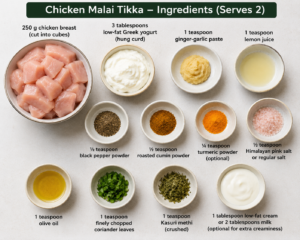
Ingredients (Serves 2)

250 g Chicken breast (cut into cubes)

3 Tbsp Low-fat Greek yogurt (hung curd)

1 tsp Ginger-garlic paste

1 tsp Lemon juice

½ tsp Black pepper powder

½ tsp Roasted cumin powder

¼ tsp Turmeric powder (optional)

½ tsp Himalayan pink salt or regular salt

1 tsp Olive oil

1 tsp Finely chopped coriander leaves

1 tsp Kasuri methi (crushed)

1 Tbsp Low-fat cream or 2 Tbsp milk (optional to add extra creaminess)

Instructions

1.Prep the chicken:

  • Wash and pat dry the chicken breast using paper towels.
  • Cut the chicken into cubes.

2.Marinade preparation:

In a mixing bowl, add the following ingredients:

  • Low-fat Greek yogurt
  • Ginger-garlic paste
  • Lemon juice
  • Black pepper powder
  • Roasted cumin powder
  • Salt
  • Kasuri methi
  • Coriander leaves
  • Olive oil
  • Low-fat cream or milk (optional)

Mix the marinade well.

3.Marinate the chicken cubes:

  • Add the chicken cubes to the marinade.
  • Mix the chicken cubes well with the marinade to ensure every piece is coated in the mixture.
  • Cover the bowl with plastic wrap and store it in the refrigerator for 1-2 hours or overnight.

4.Skewer the chicken pieces:

  • Skewer the chicken cubes.
  • If you are using wooden skewers, soak them in water for 20 minutes.

5.Cooking your Chicken Malai Tikka:

Air fryer

  • Preheat the air fryer to 200 degrees Celsius.
  • Cook the chicken skewers for 1012 minutes.
  • Halfway through the cooking time, gently flip the skewers over.

Oven

  • Preheat the oven to 200 degrees Celsius.
  • Place the skewers on a baking sheet.
  • Bake the chicken skewers for 1518 minutes.
  • Flip the chicken skewers halfway through the cooking time.

Non-stick pan

  • Grease a non-stick pan with a couple of drops of olive oil.
  • Cook the skewers for 8-10 minutes over medium heat.
  • Turn the skewers occasionally until they are done.

6.Serving suggestions:

  • Serve Chicken Malai Tikka with mint coriander chutney (without sugar).
  • Accompany it with a cucumber and onion salad.
  • Squeeze some lemon wedges over the top.

Weight loss benefits

Chicken Malai Tikka is made with highquality protein and low carbohydrates. The dish is healthy, as it uses less oil and Greek yogurt. Thus, it helps promote weight loss, reduces cravings, and increases the feeling of fullness after eating. This recipe is perfect for lunch, dinner, or after a workout.


Amarnath Yatra: A Sacred Journey to the Holy Cave of Lord Shiva

High in the breathtaking Kashmir Himalayas lies Amarnath Cave, one of the most revered pilgrimage destinations for devotees of Lord Shiva. Every year, thousands of pilgrims undertake the challenging Amarnath Yatra to seek blessings at the Holy Cave and witness the naturally formed ice formation worshipped as the Shivling.

But Amarnath is more than a pilgrimage destination. The journey combines faith, endurance, Himalayan landscapes, community service and a deep sense of devotion that makes it a memorable spiritual experience.         

Why Is Amarnath So Sacred?   

According to Hindu mythology, the Amarnath cave is considered the place where Lord Shiva narrated the Amar Katha to Goddess Parvati. The formation of natural ice in the cave is worshipped as the embodiment of Lord Shiva. Hence, the shrine has turned out to be a significant pilgrimage site for millions of Shiva’s followers.

The cave is located in a region surrounded by mountains, glaciers, and rocky sediments, which adds to the mystery and peace of the place.


Where Is Amarnath Cave?

The Holy Cave is located in the Kashmir Himalayas of Jammu and Kashmir. A high altitude trek is required to reach the cave, and the Shri Amarnathji Shrine Board warns that pilgrims may have to hike at heights of up to approximately 14,000 feet or more.

There are two main routes to the holy site:

Pahalgam Route

The traditional route passes through:

Pahalgam → Chandanwari → Pissu Top → Sheshnag → Panchtarni → Holy Cave

It is the longer route, but many pilgrims choose it because the ascent can be covered more gradually.

Baltal Route

The alternative route follows:

Baltal → Domail → Barari → Holy Cave

This route is shorter but considerably steeper and can be physically demanding.

The Shrine Board manages and regulates the pilgrimage, including registration, safety requirements and facilities along the routes.     

Preparing for the Amarnath Yatra

The Amarnath Yatra is not a typical weekend excursion. The high altitude, steep climbs, chilly temperatures, and unpredictable weather can present a challenge.
According to government health department authorities, it is necessary to build stamina and fitness before embarking on the yatra. It is recommended to do regular walking and light exercises to prepare your body for the uphill battles. Moreover, prior to registration, it is important to consult a doctor about any existing medical conditions.
You should also carry the following items:

  • Warm woollen clothes
  • Sturdy water resistant shoes
  • Waterproof raincoat/windcheater
  • Personal medication if you have any
  • Waterproof bags for storing personal belongings
  • Valid ID proof and Yatra registration details

It is important to seek immediate medical assistance for any abnormal symptoms such as unexplained breathlessness, dizziness, extreme tiredness nausea or lack of coordination. This might be a sign of high altitude sickness.


Registration and Official Guidelines

Pilgrims are requested to register themselves through authorized registration counters/information centers of Shri Amarnathji Shrine Board (SASB).
The pilgrims are further directed to obtain the prescribed identification/RFID along with the Compulsory Health Certificate (CHC) from an authorized medical institution.
The rules pertaining to facilities, services, dates of registration, weather and other restrictions may be revised every year. Hence, it is advisable to check the same on the official website of SASB before availing any of the services.
Notably, the Shrine Board has announced that the Pahalgam & Baltal Yatra route remains a no-fly zone from July 1, 2026 till the Yatra concludes, prohibiting helicopter services for the Pilgrims.


The Human Side of the Amarnath Yatra

One of the most wonderful things about the pilgrimage is that it offers an opportunity to see the camaraderie spirit and the togetherness of people from all walks of life, speaking all sorts of languages and hailing from distant states. They share a common goal and help each other through the long and tiring road. Langars and voluntary organisations offer free meals and other services in approved places as an act of seva, or charity. For many devotees, the prospect of spending hours or even days walking barefoot up mountains in extreme cold is a small price to pay for the darshan of the cave.

Respecting the Himalayas

The Amarnath cave is located in an eco-sensitive Himalayan region.
Therefore, it becomes the duty of every pilgrim to not litter and follow the protocols and guidelines set forth by local authorities and the shrine board.
In addition, they should not take short cuts and should adhere to the directions given to them for their own safety as well as the safety of the environment.
After all faith should be accompanied by responsibility and respect, and what better way to show respect to this ancient mountain than to leave it as pure as we found it?

Final Thoughts

For millions of devotees, the Amarnath Yatra is much more than a pilgrimage to a cave in the mountains.
From the spectacular snow-capped Himalayan backdrop to the chants of “Har Har Mahadev” reverberating up and down the trek, Amarnath has it all.
But remember that this Yatra requires dedication, devotion and determination.
Take the necessary precautions.
Above all, respect these formidable mountains and follow the guidelines issued by the authorities for the safety and wellbeing of all.
After all, in the holiest of holy places like Amarnath, the Yatra itself is a prayer.
Do not forget to consult the latest advisories and notifications from the Shri Amarnathji Shrine Board (SASB) regarding registration, medical, weather and other Yatra-related updates before embarking on your journey.


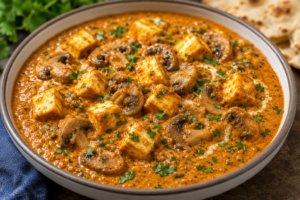
Healthy Paneer Mushroom Butter Masala (Weight Loss) 

This healthy paneer mushroom butter masala is loaded with proteins and low in calories. It is a lighter version of the restaurant-style butter masala prepared with less butter and no heavy cream.

Preparation Time 

Prep Time: 10 mins

Cook Time: 20 mins

Servings: 2

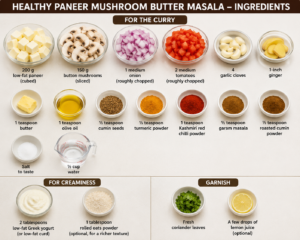
Ingredients 

For the Curries:

  • 200 gms Paneer (low fat), cubed
  • 150 gms mushrooms (button), sliced
  • 1 medium onion, roughly chopped
  • 2 medium tomatoes, roughly chopped
  • 4 garlic cloves
  • 1 ginger
  • 1 tsp butter
  • 1 tsp olive oil
  • ½ tsp cumin seeds
  • ½ tsp turmeric powder
  • 1 tsp Kashmiri red chilli powder
  • ½ tsp garam masala
  • ½ tsp roasted cumin powder
  • Salt to taste
  • ½ cup water

For the Creaminess:

  • 2 tbsp low fat Greek yogurt or curd
  • 1 tbsp rolled oats powder (optional, to make it more thick)

Garnish:

  • Fresh coriander leaves
  • A few drops of lemon juice (optional)

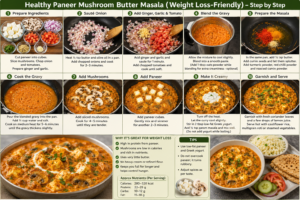
Step by Step Recipe:

1. Prep the veggies:

Wash the mushrooms and cut them into slices. Cut paneer into cubes. Chop onions and tomatoes. Peel garlic and ginger.

2. Cook the base:

Take ½ tsp butter and olive oil in a pan. Add chopped onions and sautée for 23 mins. Add ginger and garlic and sautée for a minute. Add chopped tomatoes and cook.

3. Blend the gravy:

Allow the mixture to cool a bit. Blend it into a smooth paste using a mixer grinder. Add oats powder (if using) and blend again to thicken the consistency.

4. Prepare masala:

Heat the remaining ½ tsp butter in the same pan. Add cumin seeds and let it splutter. Add turmeric, chilli powder, and roasted cumin powder. Stir for a few seconds.

5. Cook the gravy:

Add the blended mixture to the pan and mix well. Add ½ cup water and salt. Cook on medium heat for 56 mins till it reaches a thick gravy consistency.

  1. Add paneer and mushrooms:

Add the sliced mushrooms to the pan and cook for 45 mins. Add the cubed paneer to the pan and mix well. Let it simmer for 2-3 mins.

7. Make it creamy:

Switch off the stove and let the curry cool down a bit. Add low fat Greek yogurt and garam masala. Mix well. Do not add the yogurt when the curry is cooking, otherwise, it will curdle.

8. Garnish and serve:

Garnish with coriander leaves and a few drops of lemon juice. Pair it with:

  • Cauliflower rice
  • Multigrain roti
  • High protein chapati
  • Steamed vegetables

Weight Loss Benefits:

It is a healthy version of paneer butter masala. It is high in proteins due to low-fat paneer and mushrooms which are also low in calories and high in nutrition. It uses minimal butter, no cream, or refined wheat flour for thickening. It keeps you full for longer and reduces cravings. It is good for a healthy weight loss diet as it allows you to have paneer dish with minimal calories.

This healthy paneer mushroom butter masala is the perfect recipe for all those who love paneer dishes and want to have the same butter masala taste without adding many calories to their diet.


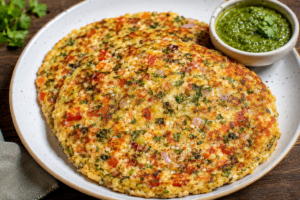
Healthy High-Protein Paneer Kasuri Methi Chilla (Weight Loss Friendly)

This healthy Paneer Kasuri Methi Chilla is very tasty, satisfying, high in fiber and protein. The psyllium husk or isabgol makes this chilla binding, light on the stomach and perfect for weight loss. It is a healthy breakfast or evening snack option that keeps you full for long.

Preparation Time:

 Prep Time: 10 mins

Cooking Time: 10 mins

Serves: 2.

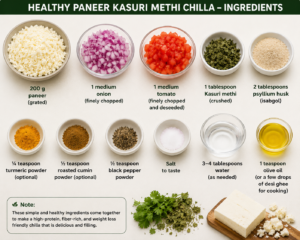
Ingredients

  • 200 g paneer (grated)
  • 1 medium onion (finely chopped)
  • 1 medium tomato (finely chopped and deseeded)
  • 1 tablespoon kasuri methi (crushed)
  • 2 tablespoons psyllium husk or isabgol
  • ¼ teaspoon turmeric powder (optional)
  • ½ teaspoon roasted cumin powder (optional)
  • ½ teaspoon black pepper powder
  • Salt to taste
  • 3-4 tablespoons water (as needed)
  • 1 teaspoon olive oil or a few drops of desi ghee for cooking

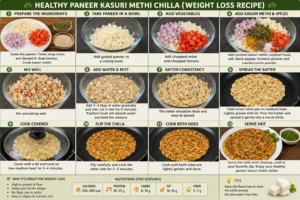
Instructions

Step 1: Preparing the ingredients

Take a large bowl and add the grated paneer.

Finely chop the onion.

Take the deseeded tomato and finely chop it.

Crush the kasuri methi between palms.

Step 2: Making the chilla batter

To the bowl with paneer add in chopped onion, chopped tomato, kasuri methi, psyllium husk or isabgol, salt, black pepper powder, turmeric powder (if using), roasted cumin powder (if using).

Mix well.

Step 3: Adding water

Add 34 tablespoons of water and mix well to make a thick batter like consistency.

Let the mixture rest for 5 minutes.

The isabgol will soak the water and will make the mixture bind together.

Step 4: Making the chilla

Heat a non-stick pan on medium flame and grease it with olive oil or desi ghee.

Take the mixture and drop it into the pan. With the back of a spoon gently press the mixture into an oval or round shape of a chilla making sure that it is about ½ cm thick so that it does not break while cooking.

Step 5: Cooking the chilla

Cover the pan with a lid and let it cook for 34 minutes on medium-low flame.

Gently flip it over and cook the other side for another 23 minutes or until lightly golden.

Step 6: Serving the chilla

Serve the healthy paneer kasuri methi chilla with mint and coriander chutney, low-fat greek yogurt dip and a fresh cucumber salad.

Why this recipe is healthy for weight loss:

  • Protein-rich paneer helps in feeling full for long
  • High fiber psyllium husk or isabgol also helps in keeping you full for long
  • No refined carbs and no wheat flour
  • Quick and healthy recipe
  • Perfect as breakfast, lunch or evening snack.


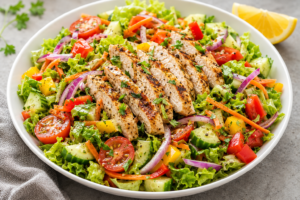
Healthy Weight Loss Chicken Salad (High-Protein & Low-Calorie)

Healthy Weight Loss Chicken Salad is a healthy recipe made of high-proteinhigh-fiber, vitamins, and healthy fats to keep you full for a long time. This is a perfect option for lunch or dinner when you are on a weight loss journey but still want to enjoy your meal.

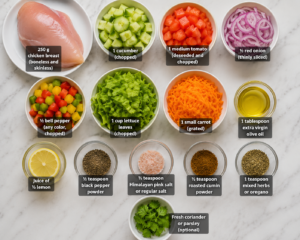
Healthy Weight Loss Chicken Salad (High-Protein & Low-Calorie) Ingredients:

 250 g chicken breast (without bones and skin)

 1 cucumber (chopped)

 1 tomato (deseeded and chopped)

 ½ red onion (thinly sliced)

 ½ bell pepper (chopped)

 1 cup lettuce leaves (chopped)

 1 small carrot (grated)

 1 tablespoon extra virgin olive oil

 juice of ½ lemon

 ½ teaspoon of black pepper powder

 ½ teaspoon of himalayan pink salt or regular salt

 ½ teaspoon of roasted cumin powder

 1 teaspoon of mixed herbs or oregano

 optional – fresh coriander or parsley

Healthy Weight Loss Chicken Salad (High-Protein & Low-Calorie) Directions:

1How to cook chicken:

  • Wash the chicken breast and pat dry with a paper towel.
  • Season it with salt, black pepper, and roasted cumin powder.
  • Grill or cook it on medium flame for 67 minutes on each side.
  • Once it is donetake it off the flame and let it rest for 5 minutes.
  • Thenslice it into small pieces.

2How to chop the veggies:

  • Wash all the veggies and chop the cucumber, tomato, lettuce leaves, and bell pepper.
  • Thinly slice the onion and grate the carrot.

3How to make the dressing:

  • In a small bowl, whisk together lemon juice, olive oil, black pepper, salt, roasted cumin powder, and mixed herbs or oregano.

4How to make the salad:

  • In a big bowl, add chopped veggies and add the slices of grilled chicken.
  • Nowadd the dressing and toss to mix all the ingredients.

5How to serve:

  • Garnish with fresh coriander or parsley and enjoy this salad.

A fresh and healthy chicken and vegetable salad served on a wooden board, perfect for lunch or dinner.

Weight Loss Advantages

High in Protein to promote fat loss and prevent muscle loss

Low in calories and high in Fiber

It helps control appetite and reduce unhealthy snacking.

Good source of Vitamins and Minerals

Easy to prepare and it is very good to make meal planning and prepping.


Benefits of Pranayama: Improve Your Physical, Mental, and Emotional Well-Being Naturally

In today’s modern world, stress, sleep deprivation, and a bad lifestyle are becoming more and more popular among people of all ages. The majority of us are obsessed with working out and eating healthy to keep our bodies strong, but we rarely pay attention to something very important – Pranayama. It is a breathing technique that came from ancient times and is used by yogis to control their breath and be healthier.
The word ‘Pranayama’ consists of two words – ‘Prana’ means the life force or energy, and ‘Ayama’ means extension or control, so this breathing technique helps in extending and controlling your life force and making your body and mind healthier.
Practicing it for ten minutes a day can significantly improve your health in a short amount of time. If you want to achieve excellent physical and mental results, then try this amazing exercise.

What Is Pranayama?

Pranayama is a breathing practice that is one of the eight limbs of yoga. It refers to the various breathing techniques that promote energy balance in the body, reduce stress, and bring about a connection between the mind and body.
Common pranayama techniques include:

  • Anulom Vilom (alternate nostril breathing)
  • Bhramari
  • Kapalabhati
  • Ujjayi
  • Sheetali and Sheetkari
  • Deep abdominal breathing

All the pranayama techniques are doable and safe for most people as long as they are done correctly.


Most popular benefits of Pranayama

  • Reduces stress and anxiety

One of the simplest and fastest ways to reduce stress and anxiety is to practice Pranayama breathing exercises. A calm and steady flow of air activates the body’s relaxation response and reduces levels of stress hormones such as cortisol. Some of the many benefits of reducing anxiety and stress through regular practice of these breathing techniques include:

  • Lower levels of anxiety and tension
  • Improved emotional stability
  • Ability to quickly return to normal after a stressful situation
  • Calmness and inner peace

Even ten minutes of practicing these breathing exercises will make you calmer and more focused.

  • Improves lung function

This ancient breathing method helps to expand lung capacity and strengthen the respiratory system. In addition, regular practice of this type of breathing helps to normalize the rhythm of breathing and increases the amount of oxygen in the body. The following advantages are associated with improved lung function:

  • Better oxygen supply
  • Improved breathing process
  • Increased endurance
  • High efficiency of the respiratory tract

People who practice this type of breathing exercises rarely feel shortness of breath. This is especially important for people who lead an active life and want to feel better during intense physical activity.

  • Improves concentration 

It is becoming increasingly difficult for modern people to sit still and concentrate on what they need to do. The breathing technique known as Pranayama helps to focus on the current activity and not think about past or future events. Some of the benefits of practicing this breathing exercise regularly include:

  • Improved focus and concentration
  • Improved focus
  • Increased productivity and efficiency
  • Better decision-making ability

People who practice Pranayama can experience all these benefits. The ability to concentrate is essential for students, so the regular practice of this breathing technique will enable them to achieve greater success.

  • Improves sleep quality

Most people today experience sleep problems, whether chronic or occasionally. Many people suffer from stress and insomnia, making it difficult to fall asleep and get a good night’s rest. The good news is that Pranayama can help! Breathing exercises such as Bhramari will help to fall asleep faster and enjoy a deep rest during sleep. The following benefits are associated with the improvement of sleep quality:

  • High quality of relaxation
  • Improvement of the entire body during sleep
  • Reduction of stress and anxiety

A regular evening practice of these breathing exercises will allow you to fall asleep faster and have a longer and deeper sleep.

Improves energy levels 

Did you notice that you have less and less energy throughout the day? This is due to the lack of oxygen in the body. Pranayama breathing exercises allow you to increase the amount of oxygen in the body, thus raising your energy levels. There are numerous benefits associated with high energy levels:

  • Increased physical activity and productivity
  • Improved mood and greater vitality
  • Increased resistance and endurance

A regular practice of this breathing exercise will help you experience these benefits. Unlike sports or coffee, Pranayama breathing exercises are accessible to everyone and can be done anywhere and anytime.

  • Improves heart function

Practicing slow breathing techniques such as Pranayama has a positive effect on the entire circulatory system and helps to reduce stress. Some benefits of this exercise for the heart include:

  • Improvement of blood circulation throughout the body
  • Reduction of stress and anxiety
  • Regulation of blood pressure
  • Normalization of heartbeat

However, it is important to remember that these exercises should not replace conventional medical treatments.

Improves emotional state

The way we breathe is directly related to our emotions and stress levels. When a person experiences negative emotions such as anger or anxiety, their breathing becomes shallow and unsteady. This breathing pattern alters the autonomic nervous system, leading to health problems. The regular practice of Pranayama breathing techniques allows you to restore the connection between breath and mind, thus regulating emotions and reducing stress. Some benefits of this breathing exercise on emotional well-being include:

  • Increased emotional stability
  • Reduced irritability and aggression
  • Improved mood
  • Enhanced self-confidence and selfawareness

When practicing these breathing techniques, you will feel calmer and more balanced emotionally.

Improves digestion       

The autonomic nervous system regulates digestion. As a result of stress and anxiety, a person may experience disruptions in the digestive process. The regular practice of Pranayama breathing helps to reduce stress levels and thus supports digestion. This breathing exercise has several benefits for the digestive system, including:

  • Improves the functioning of the gastrointestinal tract
  • Reduces stress and strengthens the nervous system
  • Improves blood circulation, including in the digestive system

Thus, regular practice of these breathing exercises will have a positive effect on the entire body, strengthening the work of all systems and improving health.     


Example of a successful practice

A person who sits for a long time at a computer may experience constant stress and fatigue. They will notice an improvement in their health and mood after a month of morning practice of Anulom Vilom breathing exercises and deep breathing. Another example is the improvement of the condition of elderly people who practice these breathing exercises to maintain health and reduce stress.

These breathing exercises will have a positive effect on your health as well, but you need to practice them regularly. The main rule is to do them for at least five minutes a day, making even simple breathing techniques for a short time.

How to Practice Pranayama?

If you have decided to start practicing this breathing technique, then you need to know some rules. First of all, it is necessary to sit comfortably on a straight back; it is best to practice an empty stomach, but if this is impossible, light foods are allowed. It is necessary to start practicing Pranayama with simple breathing exercises and repeat them every day for at least five minutes. As for more complex breathing techniques, they can be learned from video guides or an instructor. It is important not to harm the body during the practice; if dizziness or discomfort occurs, it is necessary to stop.     


Who can practice Pranayama?

Practically anyone can practice this breathing exercise: children, adults, seniors, and those new to yoga. Of course, people with chronic diseases should consult a doctor before starting to practice.

Final Thoughts

Pranayama is a simple but effective breathing exercise. It has lots of health and wellness benefits. It helps to reduce stress levels, increase focus and concentration, and improve heart and lung functions, among other benefits.
The best part about it is that it does not require any special equipment or environment. It is simple to do and can be done anywhere as long as there is enough space to sit or stand comfortably. All that one needs to do is set aside some time to practice it and develop healthy breathing patterns that will improve their overall wellness.
Practicing pranayama on a regular basis and correctly can therefore be of great benefit to one’s health and general well-being.

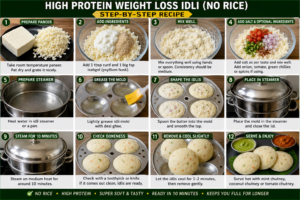
High-Protein Weight Loss Idli (No Rice) – Soft, Tasty Healthy Breakfast (10 Mins Recipe)

Are you on a quest to find the right recipe for your healthy and filling breakfast to lose weight? This high-protein weight loss idli is made without rice and with simple ingredients, is tasty and fulfilling with good amount of protein and keeps you satiated for a long time. Moreover, this healthy breakfast recipe takes only 10 mins to make!

Why will you love this healthy no rice idli recipe?

  • No rice used
  • High in protein content
  • Soft and tasty
  • Prepares in 10 mins
  • Keeps you full for longer
  • Loses weight easily
  • Simple and easy to make with simple ingredients
  • Healthy Ingredients Required

Main Ingredients

  • 200 gm Paneer (room temperature)
  • 1 tbsp Curd (dahi)
  • 1 tsp Isabgol (psyllium)
  • Salt to taste
  • ½ tsp Desi ghee (to grease the idli mould)

Optional Addons

  • 1 tbsp Finely chopped onion
  • 1 tbsp Finely chopped tomato
  • 1 finely chopped green chili
  • A pinch of black pepper powder
  • A pinch of cumin powder or chat masala

Step by Step Recipe Instructions

Step 1: Prepare Paneer

  • Take out the paneer from the fridge and let it reach room temperature
  • Towel dry the paneer pieces with a tissue paper or a clean kitchen towel
  • Grate the paneer finely so that it reaches the consistency of fine bread crumbs.

Step 2: Prepare the Batter

  • Add the grated paneer in a mixing bowl
  • Add 1 tbsp curd and 1 tsp isabgol
  • Mix well with hands or a spoon until you get a medium consistency batter.
  • Give it a rest for 23 mins so that it reaches soft consistency as the isabgol absorbs water.

Step 3: Add Salt and Optional Addons

  • Add salt to the batter as per your taste.
  • Optional: Also add chopped onions, tomatoes, green chilies, pepper powder or chat masala as per your taste.
  • Mix well so that all ingredients are combined.

Step 4: Prepare Steamer

  • Pour plenty of water in the idli steamer or a large vessel and bring it to boil.
  • Grease the idli moulds with desi ghee.

Step 5: Prepare the Idlis

  • Divide the idli batter in the greased idli moulds.
  • Ensure that the batter is evenly distributed and leveled with the back of the ladle.

Step 6: Steam the Idlis

  • Put the idli stand in the steamer and cover with a tight lid.
  • Steam the idlis for 10 mins on a medium flame.
  • Once done, check if the idli is cooked properly with a toothpick. If it comes out clean, its ready.

Step 7: Serve and Enjoy

Let the idli rest for 1-2 mins before taking them out and serve hot with mint chutney, coconut chutney or healthy homemade tomato chutney.

Nutritional Benefits of the Idli

  • High in protein content due to paneer
  • Low on carbs as no rice is used in it
  • Isabgol adds dietary fiber to it which also makes you feel full
  • Isabgol helps in reducing bad cholesterol
  • Low calorie content which helps to lose weight

Final Word

No rice high protein idli is a healthy breakfast recipe and also serves as a quick snack that fits in a calorie-restricted diet. A must try for everyone who loves paneer and wants to stay fit.

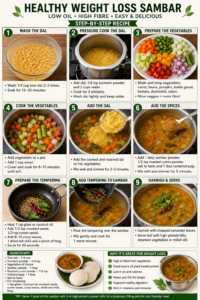
Healthy Weight Loss Sambar (Low Oil High Fibre) Healthy Vegetarian Sambar Recipe Without Oil

This healthy south Indian sambar is full of veggies, protein, and dietary fibers that help in weight loss. It is a low-calorie food that will keep you full for a long time, and pairs well with high-protein idlis.

Preparation Time

  • Prep Time: 10 mins
  • Cook Time: 20 mins
  • Servings: 3-4

Ingredients

For the Dal

  • ¼ cup toor dal (arhar dal)
  • 2 cups water
  • ¼ tsp turmeric powder

Vegies

  • 1 small carrot (chopped)
  • 5-6 beans (chopped)
  • 1 small onion or shallots (optional)
  • 1 small tomato (chopped)
  • ¼ cup pumpkin (optional)
  • ¼ cup bottle gourd (lauki)
  • 1 small drum stick (optional)
  • 2 tbsp chopped coriander leaves

Sambar Masala

  • 1 tbsp sambar powder (homemade or store bought)
  • ½ tsp roasted cumin powder
  • Salt to taste
  • Tamarind pulp (1 tbsp)

For Tempering

  • 1 tsp desi ghee or cold-pressed coconut oil
  • ½ tsp mustard seeds
  • ½ tsp cumin seeds
  • 8-10 curry leaves
  • 1 dried red chilli
  • A pinch of asafoetida (hing)

Instructions

Step 1: Washing the Dal

  • Wash the toor dal with water 2-3 times.
  • Soak the dal in water for 15-20 mins, if possible to make it more tender.

Step 2: Pressure Cooking the Dal

  • Take the toor dal + turmeric powder + water in a pressure cooker, and cook for
  • 3 whistles in a pressure cooker or
  • 10-12 mins in an instant pot
  • Mash the cooked dal to make it smooth and tender.

Step 3: Prepare the Veggies

Wash all the veggies and cut them into small pieces. Here is what you can use.

  • Carrot
  • Bean pods
  • Pumpkin (optional)
  • Bottle gourd (optional)
  • Tomato
  • Drumstick (optional)
  • Onion/shallots (optional)
  • More veggies = better fibre + more volume to keep you full for a longer time.

Step 4: Cooking the Veggies

In a cooking pot, add

  • the chopped veggies + 1 cup water, and let it cook for 8-10 mins over medium flame, until tender.

Step 5: Add the Cooked Dal

  • Add the cooked dal and mix everything well, and cook for 2-3 mins.

Step 6: Add the Sambar Masala

Now add the

  • sambar powder + roasted cumin powder + salt + tamarind pulp and mix it well.
  • Let it cook for another 5 mins so that the sambar masala is well infused into the veggies and the dal.

Step 7: Tempering

  • In a small pan, heat the
  • desi ghee or coconut oil, add mustard seeds, cumin seeds, curry leaves, dried red chillies, and hing.
  • Let it cook for 30 seconds.

Step 8: Adding the Tempering

  • Add this tempering to the sambar and mix it well. Let it cook for another minute.

Step 9: Garnishing and Serving

  • Garnish the sambar with fresh coriander leaves, and serve hot with high-protein paneer idli, veggies, millet idli, or oats idli.

Healthy Weight Loss Benefits of this Sambar

  • High fibre (from veggies)
  • Protein from toor dal
  • Low oil and calories
  • High satiety with minimal calories. Fibre + protein will help in weight loss.
  • Healthy digestion due to high fibre.
  • Load of healthy vitamins and minerals!
  • This makes it a wholesome and healthy dish that fills you up when paired with high-protein idlis.

Weight Loss Tip

To have optimal fat loss, have 1 bowl of this healthy sambar with 3-4 high protein paneer idlis. It will have a good amount of protein, fibre, and healthy fats, with minimal carbs that will keep you full for a long time without bloating.


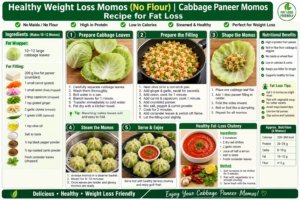
Healthy Weight Loss Momos (No Flour) Recipe | Cabbage Paneer Momos for Fat Loss

If you desire to lose fats and reduce weight on a consistent basis,but you love to eat momos regularly on daily basis,then this zero-carb flour-free healthy recipe is the best option for you.Instead of preparing traditional momos with maida or wheat flour, why not try making them with cabbage leaves!This unique cabbage momo recipe is absolutely healthy, high in protein, low in carbs, and loaded with fiber to help you lose weight.

Preparation Time

  • Prep Time: 20 minutes
  • Cooking Time: 15 minutes
  • Total Time: 35 minutes
  • Servings: 1012 momos

Ingredients

For the Momo Wrapper

  • 10-12 numbers of big cabbage leaves

For the Filling

  • 200 grams of low-fat paneer (crumbled)
  • 1 small size carrot (grated)
  • 1 small size onion (chopped finely)
  • 2 tablespoon finely chopped capsicum
  • 1 teaspoon grated ginger
  • 2 garlic cloves (minced)
  • 1 green chilly (optional)
  • salt to taste
  • ½ teaspoon black pepper powder
  • ½ teaspoon roasted cumin powder
  • 1 teaspoon olive oil
  • fresh coriander leaves (chopped)

Method

Step 1: Prepare Cabbage Leaves

  • Take out the cabbage leaves from the cabbage without tearing them
  • wash them properly boil some water in a big pan,
  • Then add the leaves and let them blanch or cook for a minute
  • then take them out in a bowl of cold water.
  • Now take out the leaves from the water and pat them dry with a kitchen towel. Blanching cabbage leaves will help soften them so that they can be folded easily without tearing.

Step 2: Prepare the Filling

  • Heat olive oil in a non-stick pan.
  • Now add in the ginger and garlic and let them roast for a few seconds.
  • Then add in the chopped onions and let them cook for a minute.
  • Now add in carrot and capsicum and let them cook for another minute.
  • Then add in the crumbled paneer and mix salt, black pepper, and roasted cumin powder.
  • Now cook the mixture for 23 minutes and finally add chopped coriander leaves and turn off the heat.
  • Wait for the mixture to cool down a bit.

Step 3: Prepare Momos

Take out one cabbage leaf on a plate and add one tablespoon of the paneer mixture in the middle of the leaves.

Now start folding the edges of the cabbage leaves over the paneer mixture to prepare momo-like parcels. You can either roll them or fold them to make momos.

Step 4: Steam Momos

Once all the momos are prepared, arrange them in a steamer basket and start steaming them for 810 minutes. Once the cabbage leaves are tender and glossy, then turn off the heat and enjoy your healthy cabbage paneer momos.

Nutritional Benefits

  • Protein-rich due to low-fat paneer.
  • High in fiber from cabbage and veggies.
  • No maida or wheat flour.
  • Low calorie, low carbs.
  • Keeps you full for long.
  • Healthy and sustainable fat loss.

Fat Loss Tips

  • Have 56 momos as light dinner or evening snack
  • Have soup or protein shake along with it
  • Avoid mayo based sauces as they are high in calories
  • Have adequate protein and exercise regularly.

Conclusion

These healthy fat loss friendly and low-carb No Flour Cabbage Paneer Momos are a great alternative to traditional momos for a person on dieting. It is tasty and filling without the guilt of eating extra calories from maida or wheat flour. So go ahead and make this healthy steamed momo recipe today.

Healthy Weight Loss Momos (No flour) | Cabbage Chicken momo recipe for fat loss:

These flour-free Cabbage Chicken Momos are a healthy weight loss recipe option for you if you are craving for some good old comfort food that doesn’t leave you feeling bloated or sluggish. Instead of the usual maida wraps, we have used tender cabbage leaves to wrap a healthy high-protein chicken stuffing in these healthy low calorie momos, which are absolutely perfect for a healthy diet meal or a post-workout treat.

Preparation Time

  • Cook time: 15 minutes
  • Prep time: 20 minutes
  • Total time: 35 minutes
  • Servings: 1012 momos

Ingredients

Momo Wrapper:

  • 10-12 large cabbage leaves

Chicken Filling:

  • 250gms chicken breast (minced or finely chopped)
  • 1 small onion (chopped)
  • 1 small carrot (grated)
  • 2 tablespoon finely chopped capsicum
  • 1/2 teaspoon grated ginger
  • 3 cloves garlic (minced)
  • 1 green chilli (optional)
  • 1 teaspoon olive oil
  • Salt to taste
  • 1/2 teaspoon black pepper powder
  • 1/2 teaspoon roasted cumin powder
  • 1 tablespoon chopped spring onion or coriander leaves

Instructions

Preparing the cabbage leaves:

Make sure you remove the cabbage leaves carefully so that they do not tear. Wash them properly in running water and then blanch them in boiling water for 1 minute. Now, drain them and transfer them to cold water. Pat them dry with a kitchen towel. You can use these leaves to wrap your momos filling.

Making the chicken stuffing:

Heat oil in a non-stick pan, add the minced garlic and grated ginger. Sauté for 30 seconds.

Add the chopped onion and cook for about 1 minute.Add the chopped chicken breast to the pan and cook for 45 minutes. Then add the grated carrots and chopped capsicum and cook for a few more minutes. Add salt, roasted cumin powder, and black pepper powder to it and mix well. Cook until all the moisture has been extracted out. Add the chopped spring onion or coriander leaves and mix well. Let the stuffing cool down before you start making the momos.

Making the momos:

Take a cabbage leaf, place one tbsp of the chicken stuffing in the centre and fold the leaf from both sides and make a parcel. Repeat the same step with the rest of the leaves and stuffing to make momos.

Steaming the momos:

Place them in a steamer and steam for 810 minutes. Remove them once the leaves have turned tender and glossy.

Conclusion

The Healthy Weight Loss Momos (No flour) is a recipe that satisfies your craving for a good meal while keeping you on the path of weight loss. This No-Flour Cabbage Chicken Momos recipe is loaded with healthy chicken protein and a packet of healthy goodness to fill you up without weighing you down. Tender cabbage leaves wrap up everything perfectly and give you a wholesome meal that is absolutely lip-smacking and a perfect healthy addition to your diet, without adding any extra calories to your diet. The Cabbage Chicken Momos recipe is extremely easy to make and you can enjoy them as a healthy postworkout meal or even as a tasty healthy dinner for your entire family.

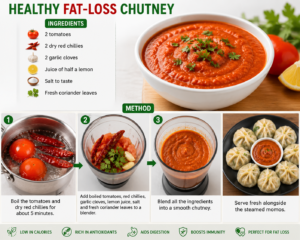
Healthy Weight Loss Chutney

Ingredients

  • 2 tomatoes
  • 2 dry red chillies
  • 2 cloves of garlic
  • Salt to taste
  • A few coriander leaves
  • Juice of half a lemon

Method

  • Boil tomatoes and dry red chillies for 5 minutes.
  • Blend everything together.
  • Serve fresh with steamed momos.

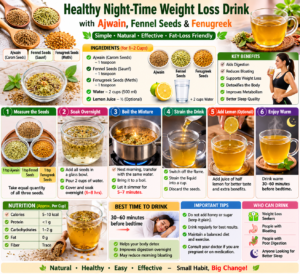
Healthy Night-Time Weight Loss Drink with Ajwain, Fennel Seeds & Fenugreek – Step-by-Step Recipe

This Healthy Night-Time Drink made of Ajwain, Fennel Seeds and Fenugreek Seeds is perfect for everyone who wants to lose weight. Ajwain, Fennel, and Fenugreek seeds help to lose weight due to their high fiber, essential oil, and other nutrients contents. Drinking this herbal infusion in the evening helps to control weight and supports a healthy lifestyle.

Preparation time

Soaking time: 68 hours (overnight)

Cooking time: 57 minutes

Servings: 12

Ingredients

  • 1 tsp Ajwain (Carom Seeds)
  • 1 tsp Fennel Seeds (Saunf)
  • 1 tsp Fenugreek Seeds (Methi)
  • 2 cups (500 ml) water
  • Juice from half a lemon (optional)

Instructions

Take the following ingredients:

  • 1 tsp Ajwain (Carom Seeds)
  • 1 tsp Fennel Seeds (Saunf)
  • 1 tsp Fenugreek Seeds (Methi)

Wash all seeds thoroughly with running water.

Soaking Step:

Put all seeds in a glass or a bowl and add 2 cups of water.

Soak them overnight or for at least 6 hours. Let it sit for a while.

Boiling Step:

Take all the soaked water and seeds and put them in a saucepan.

Boil everything on medium heat for 5-7 minutes. Let it cook for a little bit more.

Straining Step:

Turn off the heat and strain the boiling mixture into a cup.

Let the mixture cool down to a comfortable temperature. Drink it while it is warm.

Taste Step (Optional):

You can add the juice of half a lemon to enhance the flavor and get an extra dose of vitamin C.

How to take

Consume the herbal tea 3060 minutes before going to bed. Drink it regularly as a part of your healthy lifestyle.

Healthy benefits

It helps with better digestion. It also reduces water retention and bloating. It is good for the metabolic rate. It is caffeine-free and low in calories. It keeps you full for a long time, so you cannot eat more during the day or at night. This Healthy Night-Time Weight Loss Drink with Ajwain, Fennel Seeds, and Fenugreek Seeds will make you feel well when consumed with healthy eating patterns, physical activity, and good sleep.

Conclusion

This Healthy Night-Time Drink made of Ajwain, Fennel Seeds and Fenugreek Seeds is not difficult to make and will help you feel more rested and healthy during the day. However, you should not expect miracles: a single herbal tea cannot get rid of fats, but healthy eating patterns, physical activity, and enough sleep will.