How Bengalis Celebrate Durga Puja in West Bengal: A Special Look at Kolkata’s Grand Festival
Introduction: When Kolkata Lights Up
Every autumn you see the beautiful sights of West Bengal. The streets are all decorated with pretty lights, you can hear the beat of the dhak drums and there are lots of beautiful pandals around. Everyone wears brand new clothes, people plan to visit the famous puja pandals and the delicious Bengali food smells amazing. Durga Puja is an extremely important religious and cultural festival in Bengal.
Durga Puja means so much more to Bengalis. It is an event that brings everyone together. The capital of West Bengal, Kolkata is the heart of the celebrations and will attract lots of people from around the world and India.
It is an event that celebrates the Goddess Durga and how she defeated the demon Mahishasura. In 2021, it was added to the Representative List of the Intangible Cultural Heritage of Humanity by UNESCO. (Source: UNESCO)
Let’s find out how Bengalis celebrate Durga Puja and why Kolkata is such an important part of this amazing festival.
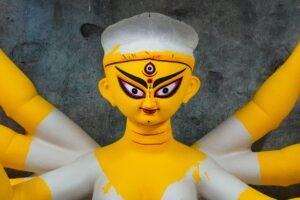
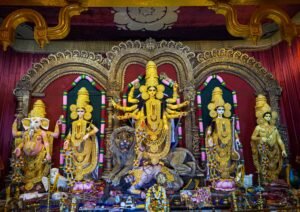
1. Mahalaya
Many Bengali families start to feel the emotion of the festival as it begins with Mahalaya.
Many people wake up early to listen to the famous radio show Mahishasura Mardini. This is associated with Birendra Krishna Bhadra and has become an important part of Bengali culture. It includes lovely devotional readings, verses in Sanskrit and traditional music.
Homes start to get into the festive spirit. People begin to buy new clothes, plan their holidays and discuss which pandals they want to visit.
For many Bengalis living outside of West Bengal this can remind them of their childhood. It can bring back great memories of being with family and hearing the sounds of autumn. This is often when Bengalis feel the emotion of Durga Puja kick in.
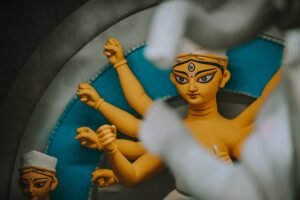
2. Kumartuli
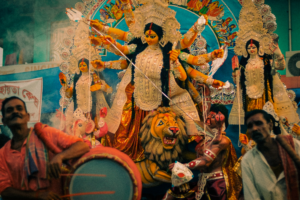
One of the most interesting parts of Durga Puja is creating the idols. In North Kolkata there is a famous area called Kumartuli, this is a community of traditional artists who create the clay images of Goddess Durga and her divine family.
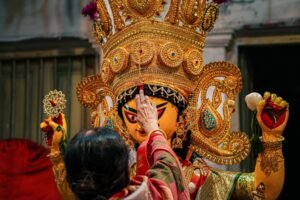
The artists can take months to create these idols. They will create them using traditional methods. They will sculpt the figure, then build up layers of clay. Once dried they will paint them carefully. Many of the idols will have the Goddess Durga standing with 10 arms defeating Mahishasura. With Lakshmi, Saraswati, Ganesha and Kartikeya surrounding her.
This takes a lot of artistic talent and patience. All the idols have been made with years of experience.
As the festival comes closer you can see the workshops becoming very busy. Watching the artists create the idols gives you an insight into the culture.
3. Beautiful Pandals
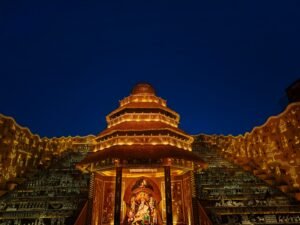
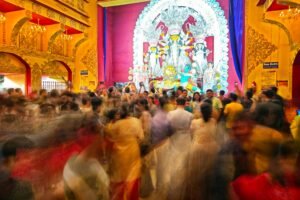
One of the most unique parts of the Durga Puja in Kolkata are the beautiful pandals. A pandal is a temporary building created to hold the idol.
Some pandals look like traditional temples whilst others will be inspired by historical buildings, village houses, monuments or modern artistic ideas. Many organisers will create incredible themes using bamboo, fabric, wood, recycled materials and creative lighting.
Popular areas and famous puja committees will attract huge crowds. Often people will plan their routes to ensure they can visit different areas of the city. They will be amazed by the creative ideas of the artists and organisers.
Imagine walking into a pandal that looks like an ancient palace. The idol will be illuminated with gentle lighting, traditional music can be heard and you will stop to admire everything. Just a few streets away you could walk into a pandal with a completely different artistic style.
This makes it very exciting to visit different pandals. You will never know what you are going to see. Overall it creates a massive open air exhibition of culture in Kolkata.
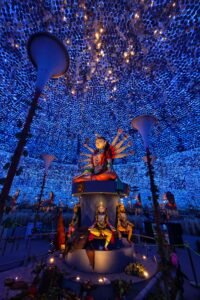
4. 5 Main Days of Durga Puja
Although there are more days involved in the festival, in Kolkata the main celebrations happen over the course of 5 days. These are Shashthi, Saptami, Ashtami, Navami and Dashami.
Shashthi
This is the beginning of the main celebrations. There will be rituals to welcome and unveil the goddess. Families will wear new clothes and begin to visit the celebrations in their local area.
Saptami
This day includes the ritual of Nabapatrika. A selection of plants will be prepared and worshipped. People will head to the pandals to pray.
Ashtami
Maha Ashtami is an extremely important day for many worshippers. Flowers will be offered during Pushpanjali. Prayers and mantras will be said.
Some families will fast during this time. Others may prepare special offerings. The Sandhi Puja will be performed during the transition between Ashtami and Navami.
Navami
Maha Navami will include more prayers and community. Many people will visit the pandals, enjoy culture and eat with their family and friends.
Dashami
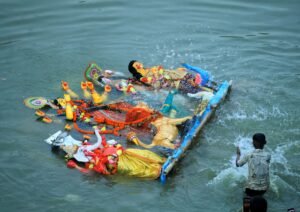
Vijaya Dashami is the final day of the festival. Worshippers will perform the final rituals and the idols will be taken on processions to be immersed. Although it is a happy time many will feel emotional.
5. Pandal Hopping
When asking many people in Kolkata what their favourite thing to do during Durga Puja is, pandal hopping will often be mentioned.
Pandal hopping is when you visit different puja pavilions to view the idols, decorations and themes. Friends will plan to visit with their friends, families will visit local areas and some will stay out late to visit multiple popular pandals.
During the busiest times major roads can become very busy with people walking around. However with public transport and planned routes you can still visit different areas. It may just take longer to get around.
A typical evening may include visiting a local pandal, eating at a food stall and visiting a famous theme. You will take lots of photos and have lots of fun.
Many people enjoy this as they love seeing the decorations but it also brings everyone together. The whole city becomes a celebration.
6. Delicious Bengali Food
Food is an important part of Durga Puja. Families will cook special meals, restaurants will have special menus and food stalls will sell popular Bengali foods.
Some of our favourites are:
- Khichuri & Labra – A warming dish of khichuri (rice and lentils) with mixed vegetable curry. Worshippers often eat bhog during many puja celebrations.
- Luchi & Alur Dom – Fried flatbreads with spiced potato curry.
- Kathi Rolls – Convenient street food filled with vegetables, paneer, egg or meat.
- Fish – Many Bengalis love to eat fish curry.
- Mishti – Traditional sweet treats such as sandesh, rosogolla and mishti doi.
- Bhog is an important part of the festival. It is offered to the goddess and is given to worshippers. Recipes and menus will vary between communities. Some puja committees will offer completely vegetarian food.
A simple meal can be one of the most memorable parts of the festival. Many families will come together.
7. Dhak, Dhunuchi Naach and Culture
The dhak is a traditional Bengali drum and is highly associated with Durga Puja. The upbeat music will accompany rituals.
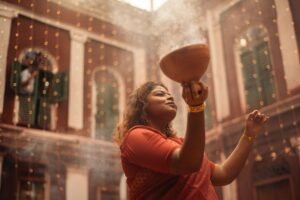
Another eye-catching tradition is the Dhunuchi Naach. People will dance with a traditional incense burner called a dhunuchi. Often they will dance to the beat of the dhak. This is performed during festive rituals and cultural shows. Different communities will have different styles.
Many puja committees will have music performances, dances, plays, competitions and community events. This will bring everyone together.
Children will enjoy the culture, teenagers will catch up with friends and older family members will enjoy hearing the familiar devotional songs. Durga Puja brings everyone together.
8. Sindoor Khela
One of the most recognised traditions during Dashami is Sindoor Khela. This is traditionally performed by married Bengali Hindus.
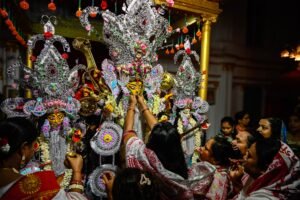
After performing rituals and offering sindoor to the Goddess Durga, people will paint each others foreheads and faces with vermilion. This is associated with praying for good fortune, happiness and family.
You will often see women wearing white sarees with red borders. The red sindoor, festive outfits and happy atmosphere will create some wonderful memories.
Traditions can vary however the general idea of Dashami is to say goodbye. People will often want to give everyone good wishes and hope to see the goddess again next year.
9. Bijoya Dashami
After the final rituals the idols of Goddess Durga and her family will be taken on processions through the streets. They will then be immersed in a river or other body of water.
This is known as visarjan. It symbolises the goddess leaving. The clay used to create the idols will return to nature.
After the immersion many Bengali families will celebrate Bijoya Dashami. They will visit family, greet each other and share sweets. Young people will ask for blessings from older members of the family. Friends will give each other hugs and good wishes for happiness and prosperity.
This can often be a bittersweet time. The lights will be turned off, the pandals will be gone and the city will begin to return to normal. However you will have amazing memories to look back on until next autumn.
10. Why Durga Puja is so Important to Bengali Culture
Durga Puja brings many aspects of Bengali culture together. It brings people together through religion, traditional art, food, fashion and public art. It helps support many people including sculptors, decorators, lighting designers, musicians, food sellers, artists and many small businesses.
It means a lot to Bengalis living far from home. Wearing new clothes, hearing the dhak and sharing bhog with family can create a strong feeling of belonging.
It also has cultural significance to people from different religions and cultures. Many will visit the pandals to admire the art, enjoy the festive atmosphere and spend time with friends.
In 2021 it was recognised by UNESCO showing how important this tradition is. It brings people together through worship, art and community.
Experience the Spirit of Durga puja in Kolkata
Durga Puja in West Bengal is an amazing celebration of religion, creativity, family and community. From the first sounds of Mahalaya, beautiful pandals, traditional food, dhak performances and emotional goodbye during Dashami everything has meaning.
Kolkata makes it a memorable experience. The whole city becomes part of the celebration. Streets become gathering points, temporary buildings become pieces of art and traditions bring people together.
If you want to learn more about Bengali culture this is an unforgettable experience. It is an amazing tradition to experience.
As Bengalis say, “Asche bochor abar hobe”. Next year it will happen again!