
Amarnath Yatra: A Sacred Journey to the Holy Cave of Lord Shiva
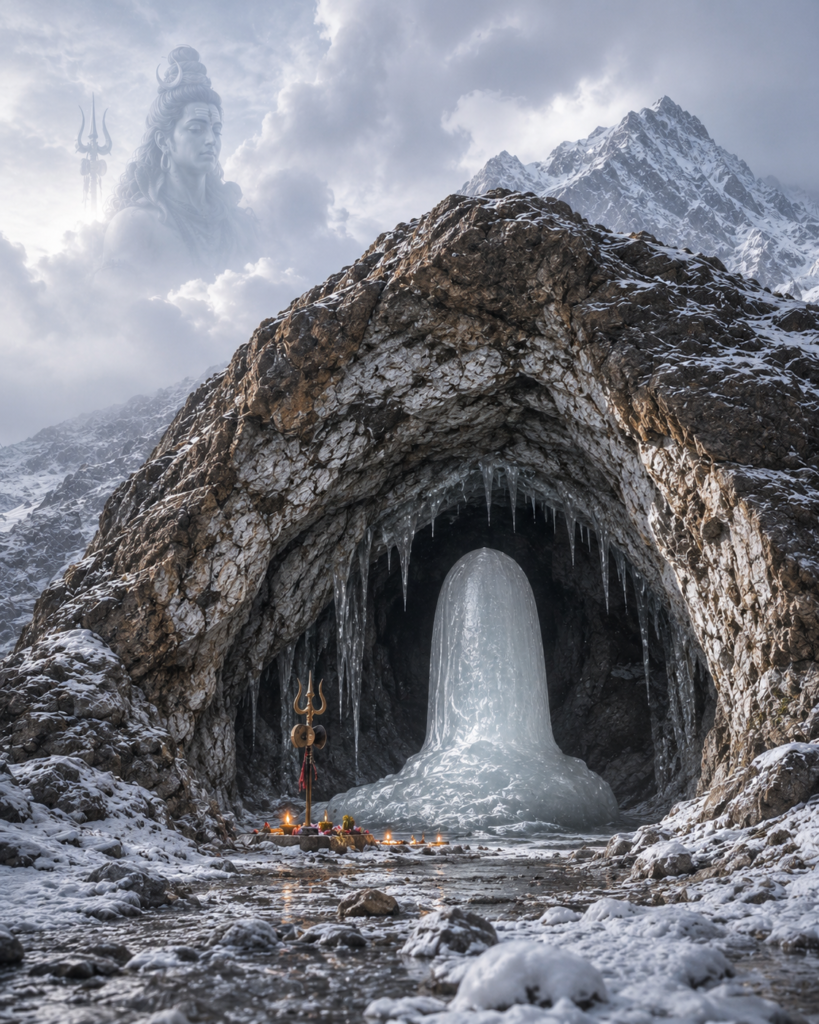
High in the breathtaking Kashmir Himalayas lies Amarnath Cave, one of the most revered pilgrimage destinations for devotees of Lord Shiva. Every year, thousands of pilgrims undertake the challenging Amarnath Yatra to seek blessings at the Holy Cave and witness the naturally formed ice formation worshipped as the Shivling.
But Amarnath is more than a pilgrimage destination. The journey combines faith, endurance, Himalayan landscapes, community service and a deep sense of devotion that makes it a memorable spiritual experience.
Why Is Amarnath So Sacred?
According to Hindu mythology, the Amarnath cave is considered the place where Lord Shiva narrated the Amar Katha to Goddess Parvati. The formation of natural ice in the cave is worshipped as the embodiment of Lord Shiva. Hence, the shrine has turned out to be a significant pilgrimage site for millions of Shiva’s followers.
The cave is located in a region surrounded by mountains, glaciers, and rocky sediments, which adds to the mystery and peace of the place.
Where Is Amarnath Cave?
The Holy Cave is located in the Kashmir Himalayas of Jammu and Kashmir. A high altitude trek is required to reach the cave, and the Shri Amarnathji Shrine Board warns that pilgrims may have to hike at heights of up to approximately 14,000 feet or more.
There are two main routes to the holy site:
Pahalgam Route
The traditional route passes through:
Pahalgam → Chandanwari → Pissu Top → Sheshnag → Panchtarni → Holy Cave
It is the longer route, but many pilgrims choose it because the ascent can be covered more gradually.
Baltal Route
The alternative route follows:
Baltal → Domail → Barari → Holy Cave
This route is shorter but considerably steeper and can be physically demanding.
The Shrine Board manages and regulates the pilgrimage, including registration, safety requirements and facilities along the routes.
Preparing for the Amarnath Yatra
The Amarnath Yatra is not a typical weekend excursion. The high altitude, steep climbs, chilly temperatures, and unpredictable weather can present a challenge.
According to government health department authorities, it is necessary to build stamina and fitness before embarking on the yatra. It is recommended to do regular walking and light exercises to prepare your body for the uphill battles. Moreover, prior to registration, it is important to consult a doctor about any existing medical conditions.
You should also carry the following items:
- Warm woollen clothes
- Sturdy water resistant shoes
- Waterproof raincoat/windcheater
- Personal medication if you have any
- Waterproof bags for storing personal belongings
- Valid ID proof and Yatra registration details
It is important to seek immediate medical assistance for any abnormal symptoms such as unexplained breathlessness, dizziness, extreme tiredness nausea or lack of coordination. This might be a sign of high altitude sickness.
Registration and Official Guidelines
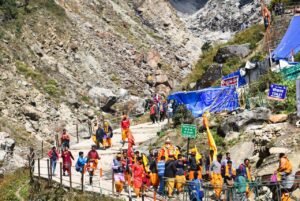
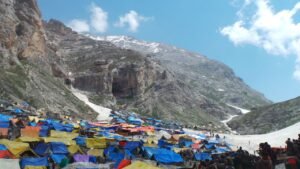
Pilgrims are requested to register themselves through authorized registration counters/information centers of Shri Amarnathji Shrine Board (SASB).
The pilgrims are further directed to obtain the prescribed identification/RFID along with the Compulsory Health Certificate (CHC) from an authorized medical institution.
The rules pertaining to facilities, services, dates of registration, weather and other restrictions may be revised every year. Hence, it is advisable to check the same on the official website of SASB before availing any of the services.
Notably, the Shrine Board has announced that the Pahalgam & Baltal Yatra route remains a no-fly zone from July 1, 2026 till the Yatra concludes, prohibiting helicopter services for the Pilgrims.
The Human Side of the Amarnath Yatra
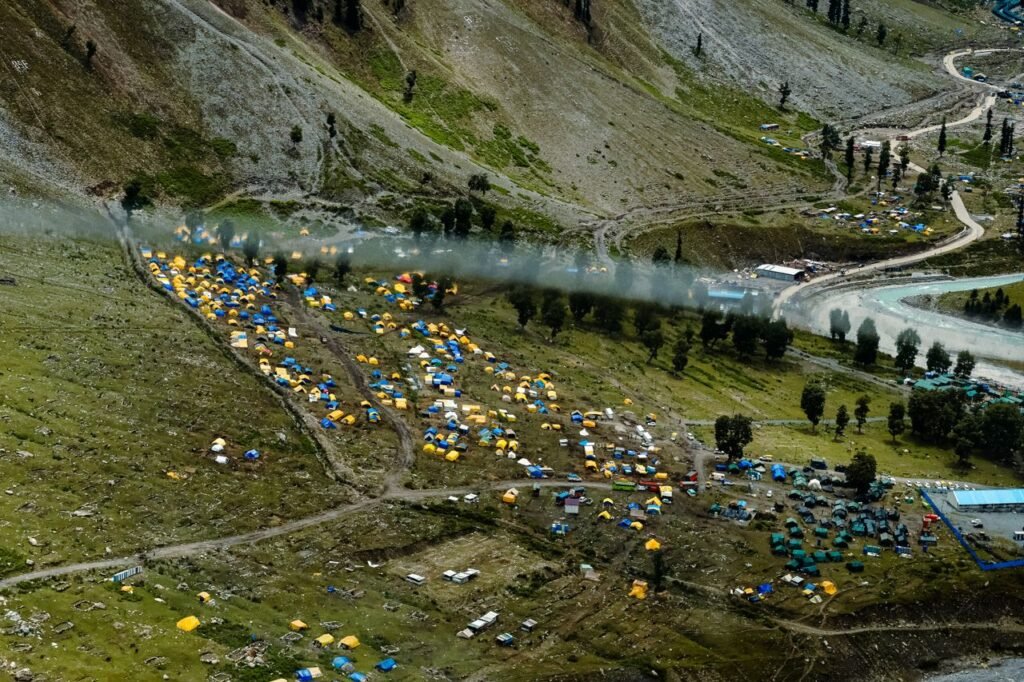
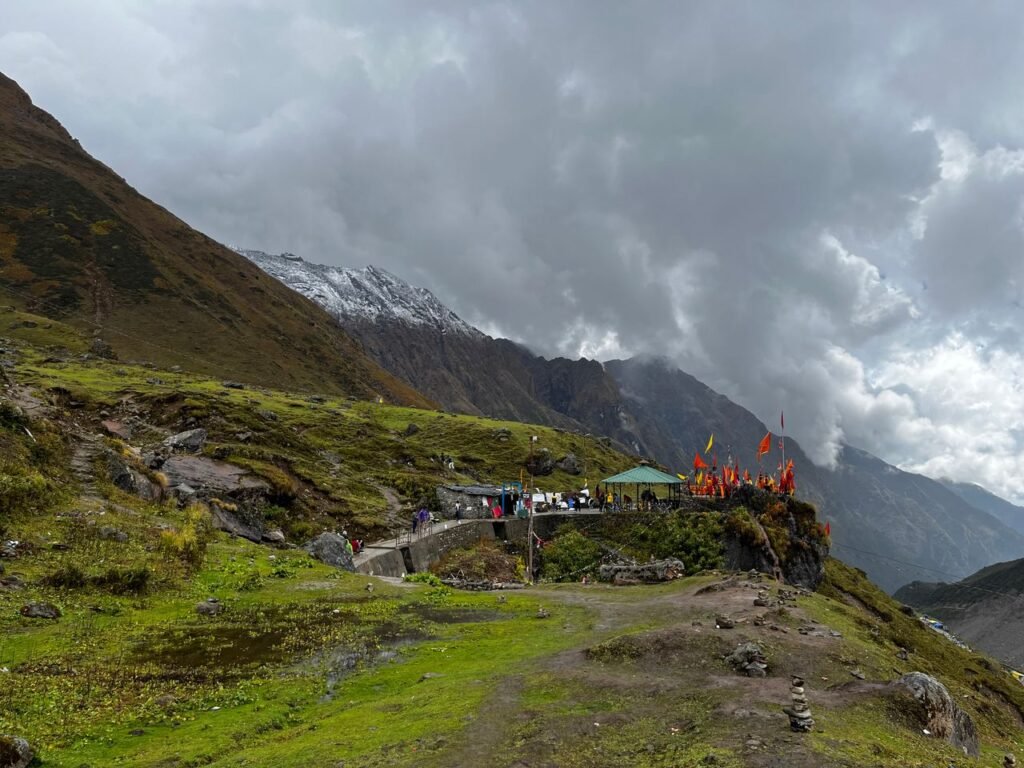
One of the most wonderful things about the pilgrimage is that it offers an opportunity to see the camaraderie spirit and the togetherness of people from all walks of life, speaking all sorts of languages and hailing from distant states. They share a common goal and help each other through the long and tiring road. Langars and voluntary organisations offer free meals and other services in approved places as an act of seva, or charity. For many devotees, the prospect of spending hours or even days walking barefoot up mountains in extreme cold is a small price to pay for the darshan of the cave.
Respecting the Himalayas
The Amarnath cave is located in an eco-sensitive Himalayan region.
Therefore, it becomes the duty of every pilgrim to not litter and follow the protocols and guidelines set forth by local authorities and the shrine board.
In addition, they should not take short cuts and should adhere to the directions given to them for their own safety as well as the safety of the environment.
After all faith should be accompanied by responsibility and respect, and what better way to show respect to this ancient mountain than to leave it as pure as we found it?
Final Thoughts
For millions of devotees, the Amarnath Yatra is much more than a pilgrimage to a cave in the mountains.
From the spectacular snow-capped Himalayan backdrop to the chants of “Har Har Mahadev” reverberating up and down the trek, Amarnath has it all.
But remember that this Yatra requires dedication, devotion and determination.
Take the necessary precautions.
Above all, respect these formidable mountains and follow the guidelines issued by the authorities for the safety and wellbeing of all.
After all, in the holiest of holy places like Amarnath, the Yatra itself is a prayer.
Do not forget to consult the latest advisories and notifications from the Shri Amarnathji Shrine Board (SASB) regarding registration, medical, weather and other Yatra-related updates before embarking on your journey.