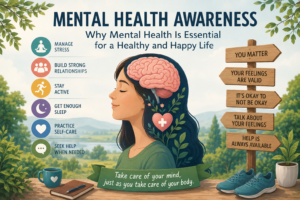
Mental Health Awareness: Why Mental Health Is Essential for a Healthy and Happy Life
Introduction
What you carry inside your mind shapes more than just thoughts – it colors actions, emotions, reactions. Not separate from living, it runs through friendships, classroom moments, tasks on a desk, quiet joys at day’s end. Body care gets spotlight often, yet balance tips just as much toward inner state – how you hold yourself when no one watches. The way you respond to stress, connect with others, find meaning – all tied to that unseen rhythm beneath.
Life moves quick these days, tossing pressure at folks from every angle – job strain sits beside money worries, school loads pile up alongside home duties, while what others expect sneaks in too. When all that stacks high, feelings get shaky, making steady footing hard to find. Because of this weight, noticing how minds hold up matters now like never before.
Most folks start noticing how feelings shape daily life once they pay attention. Talking freely about struggles often follows that first spark of insight. Support tends to come easier when silence breaks, somehow. When someone learns what nurtures their mind, choices shift without force. Tough moments still arrive – yet coping grows stronger almost by accident. Small steps today quietly reshape tomorrow’s balance.

Understanding Mental Health?
A state of mind shapes how someone handles emotions, thoughts, and interactions. How one feels inside often guides choices, reactions, because life throws constant challenges. Relationships grow or struggle depending on inner balance, since connection relies heavily on emotional clarity. Thinking patterns shift when pressure builds, yet responses reveal underlying mental states.
Most folks think feeling down now and then breaks good mental health. Truth is, being mentally healthy shows when someone handles tough feelings without falling apart. Shifting gears after big changes? That counts too. Bouncing back after something goes wrong matters just as much. Doing day-to-day things well – even on rough days – says more than always smiling.
Life moves fast, yet staying mentally strong matters at any age – whether young, middle-aged, or later years. When thoughts feel clear, folks tend to reach what they aim for, connect better with others, because inner balance shapes daily experience. Moments add up when emotions are steady, simply making each day more livable.


Why Mental Health Matters
Most days go smoother when your mind feels steady. Confidence grows, tasks get done, emotions stay on an even keel – that happens more often with solid mental well-being. Trouble sleeping, tension with others, lower energy at work, less joy in small things – these tend to surface if mental health slips. A shaky mindset doesn’t just linger inside the head. It tugs at the body, connections, daily output, the whole sense of living well.
Good Mental Health Benefits
Individuals with strong mental wellness often experience:
- Better emotional stability
- Increased self-confidence
- Improved concentration and focus
- Stronger personal relationships
- Greater productivity and efficiency
- Better stress management
- Improved physical health
- Increased resilience during challenging situations
Feeling mentally well opens doors you might not expect. A steady mind builds strength slowly, quietly shaping how you move through days. Life feels fuller when thoughts are clear, emotions balanced. Growth happens without fanfare, simply because inner peace allows space for it.

Common Mental Health Challenges
Out of nowhere, thoughts can start weighing heavy on a person’s mind. Sometimes it shows up as constant worry, sometimes as a quiet sadness that won’t leave. Pressure builds slowly, then suddenly feels impossible to shake off. A lack of connection creeps in when days pass without real talk. Moments like these are more common than most admit.
Worry tends to spiral when it takes up too much space in everyday life, sometimes bringing along restlessness or dread. Sadness sticks around longer than expected in depression, often draining enthusiasm, slowing movement, or dimming any sense of possibility. When pressure stays high for weeks or months, the body and mind begin to react in ways that go beyond tension – aches appear, sleep shifts, focus fades. Pushed further without relief, this strain hardens into burnout, a state where even small tasks feel overwhelming.
Loneliness weighs on the mind, just like being cut off from others. Because people lean on one another, bonds matter more than we admit. When ties weaken, feelings often follow.


Things That Influence How You Feel Mentally
Several factors can influence mental health.
Biological Factors
Some people inherit traits that make them more prone to mental health challenges. Chemical shifts inside the mind can play a role too. A pattern showing up across relatives might hint at deeper roots. Past generations’ struggles sometimes echo forward.
Environmental Factors
Painful moments stick around when someone grows up without care. Abuse leaves marks that aren’t always seen on skin. Neglect shapes how a person trusts others later. Money troubles weigh heavy on quiet thoughts at night. Being treated unfairly carves grooves into self-worth. Where people live sometimes holds more stress than comfort.
Lifestyle Factors
Waking up feeling rested often sets the tone for how thoughts flow later. What shows up on the plate at meals quietly shapes mood through the day. Moving the body regularly tends to clear mental fog more than expected. Talking with others face to face sometimes lifts weight words alone cannot touch. When routines lean toward exhaustion or isolation, emotions often follow without warning. Choices that include rest, movement, real food, and connection usually steady the mind from within.


Simple Ways to Support Your Mental Wellbeing
There are many simple ways to improve mental health and emotional well-being.
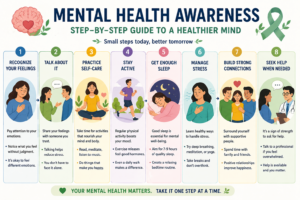
Practice Self-Care
Start slow with something quiet, like turning pages of a book. A walk outside lifts spirits just as much as stretching your body does. Music plays softly while thoughts settle. Digging hands into soil keeps the mind clear. Nature holds space when everything else feels loud.
Stay Physically Active
Walking each day lifts your spirits without needing much effort. Because movement sparks chemicals in the brain that calm stress, staying active matters more than intensity. A simple routine outside shifts how you feel inside. Mood gets steadier when steps add up over time.
Prioritize Sleep
Resting well at night helps manage feelings plus sharpens thinking. Most grown-ups need between seven and nine hours of shut-eye daily.
Build Strong Relationships
Close bonds help you feel understood, less alone. Time spent laughing at old stories with siblings lifts your mood slowly. A call from someone who knows you changes how you see the day. Friendships built on quiet trust ease the weight when things get heavy.
Practice Mindfulness
Staying focused often begins when breathing slows down. From there, thoughts tend to settle without pushing them away. A quiet moment here makes room for less rushing later. When attention drifts, it returns – not perfectly – just gently. Emotional waves still come, yet they rarely crash as hard. With time, small pauses grow strong enough to hold daily chaos.
Manage Stress
Start by trying slow breaths when things feel heavy. Writing down thoughts helps some people stay clear. Moving gently through yoga poses might ease tension too. Others find peace simply by organizing their day differently. Each small step adds up without needing grand changes.
Maintain a Healthy Diet
Apples, greens, oats – these fill your body with what it needs so thoughts stay clear. When meals include good oils alongside fiber-rich bites, mood often follows suit. Instead of skipping lunch, eating steady keeps nerves steady too.





Mental Health Awareness Matters
Most folks still feel uneasy talking about their thoughts. Yet, knowing lots of others face similar struggles can ease that weight. Help often waits behind confusion or silence. Seeing it clearly tends to come when someone hears recovery happens. Moments of reaching out grow easier once treatment seems real. Quiet steps forward start with simple words shared between people.
Most folks start understanding mental health more when they see clear messages in their neighborhoods. Talking openly grows easier once stigma begins to fade, thanks to steady outreach efforts. A shift happens slowly – people listen differently after hearing real stories from those affected. Spotting signs early becomes normal, mainly because silence loses its grip over time. Better results usually follow when support arrives sooner than later. Help feels less scary to accept in places where everyone knows it is okay to struggle.
Changing How People See Mental Health
Still, even with more talk lately, shame blocks plenty who need support. Some skip reaching out, worried what others might think or how they could be treated.
It starts with learning, really – seeing things clearly, talking without fear. Schools show up, doing their part, while families listen more closely than before. Workplaces shift, slowly, making space for real talk. Health systems adapt, treating the mind like they treat the body. Open words replace silence, one conversation at a time.
Asking for support isn’t failure. It’s actually a bold move, one that opens doors to feeling stronger and more balanced.
Conclusion
Most people overlook how deeply peace of mind shapes daily living. How you rest, react, pick up new skills, team up with friends – these hinge on inner balance. Spotting signs early plus making small shifts like moving more, calming thoughts, sticking to routines helps strength grow quietly. What matters often hides beneath surface: steady moods, clearer choices, fewer crashes when pressure builds.
True well-being means tending to thoughts like you tend to muscles. Life runs smoother when mental strength supports daily efforts.