
10 Best Brain Exercises to Improve Memory and Focus
Your brain, like your body, needs regular stimulation to stay active and functioning. Just as you need to get regular physical activity to keep your body in shape, you also need to give your brain a good workout now and then.
The best part is that there’s no complicated or intimidating set of instructions for brain exercises. There’s no need for costly equipment or hours of practice. In fact, there are lots of everyday activities that you’re probably already doing that provide excellent mental stimulation and help you think through, remember, solve, and more.
Let’s look at 10 of these awesome brain exercising activities.
1. Solve Puzzles Regularly
Puzzles are one of the easiest ways to get your brain working.
They help you to think critically and solve puzzles, such as crosswords, Sudoku, jigsaw puzzles, word searches, and logic puzzles.
Rather than spending hours at a time trying to figure out as much as you can, try spending 10 to 15 minutes a day on them.
It doesn’t matter how quickly you work; what matters is that you’re making your brain think differently.
2. Learn Something New
Learning is one of the most effective types of intellectual activities.
For instance, a person can study a new language, take up photography, learn to code, bake a delicious cake, or play a musical instrument.
The point is that when you learn something new, you train your brain to absorb and store new information.
It is essential to choose a subject that interests you, as it will be much easier to study something you enjoy rather than suffer through a boring and useless activity.
3. Practice Memory Recall
Try to give your memory system some exercise throughout the day.
For instance, you can write down 5 things you need to buy, and then try to remember these things without looking at your notes. At the end of the day, try to recall what all you did in the morning. You can also try recalling the names of people, numbers of your friends, a meeting you have scheduled, or something else that requires you to remember.
Another good way of exercising your memory is by reading an excerpt and then retelling the story.
These little memory boosts will help your brain to form a habit of recalling the necessary information instead of being dependent on your phone.
4. Play Strategy Games
Games are sometimes more than mere entertainment. Some games are very serious ones that require much thought and planning to play.
There are a variety of games that require one to think ahead and consider several possible lines of action before making a move, such as chess, checkers, card games, strategy games, and some puzzle games.
For an example, while playing a game of chess, for instance, you are not only thinking about your own moves but also the possible reactions of your opponent and how you might respond to them
Such a type of thinking can be very exciting and challenging at the same time.
5. Read Every Day
Reading is one of the easiest activities you can do to improve your brain.
With books, newspapers, magazines, blogs, and educational articles, it exposes you to new ideas, words, views, and information.
But don’t just read, and then immediately forget everything you just read.
After reading something, spend a minute to reflect.
What was it all about?
What did I learn?
Can I teach it to someone else?

6. Use Your Non-Dominant Hand
Most of us do everyday activities with our dominant hand automatically.
Performing them occasionally with your non-dominant hand can make simple and familiar jobs foreign.
For instance, you may attempt to brush your hair, open a drawer, operate a computer mouse, or pick up light objects with your other hand.
Since the task is unfamiliar, you must focus more on what you are doing.
But, avoid using this exercise for knives, hot things, driving, or anything that calls for less coordination, which may cause injury.
7. Try Mental Math
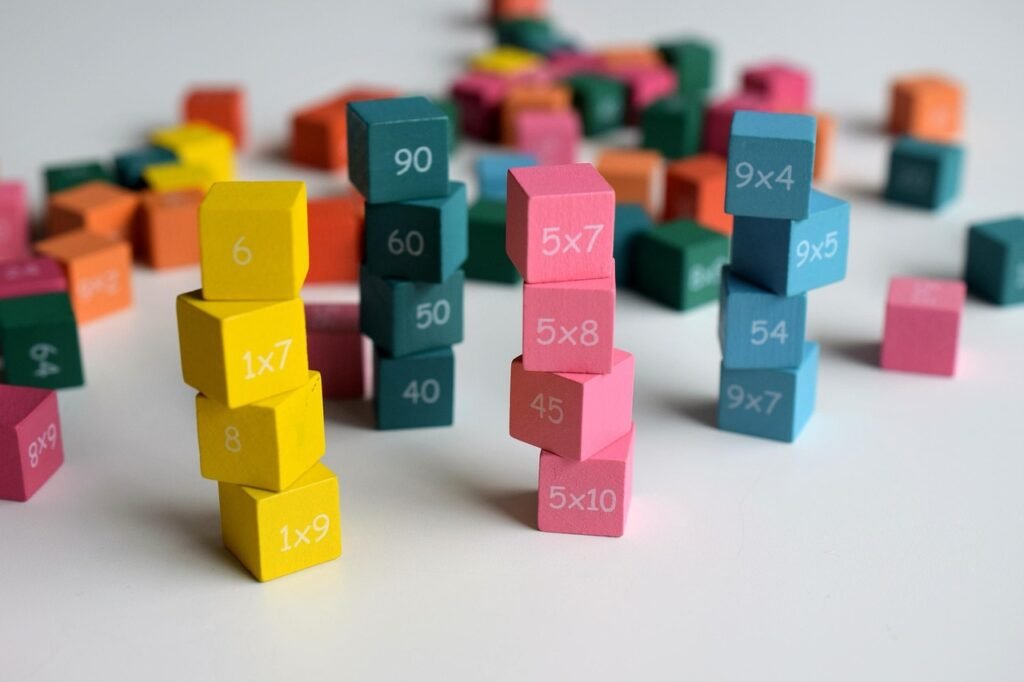
Calculators make life simple, but sometimes solving simple calculations on paper can actually be a good brain exercise.
See if you can add up the prices of the groceries in your head, calculate the discount or a certain percentage, or even work out how much change you could get.
Try working out simple calculations, then work your way to difficult ones.
This will help boost your concentration and short-term memory, and it’s an easy task you can carry out anywhere.
8. Practice Mindfulness
A wandering mind can sometimes sabotage good concentration
Mindfulness is about focusing your awareness on the present
and can be as simple as a daily 5-minute exercise
You can sit comfortably and focus on your natural breathing pattern. As you do that, pay attention to the other senses – sounds in the room, or how your body feels. You’ll learn to bring your attention back when you notice your mind has wandered. This simple exercise will heighten your awareness and help your concentration in the long run.
9. Socialize and Have Meaningful Conversations
Talking with other people also helps keep your brain active.
A good conversation requires you to listen carefully, understand what the other person is saying, remember what they said, respond to them, and think about things from their point of view.
Spend time talking to your friends, family, co-workers, and loved ones about books, current topics, and other interests.
Socializing also helps add variety to your daily routine, making it easier to fall into a pattern of mental exercises that help your brain stay healthy.
10. Change Your Daily Routine
Your brain gets used to routine
and
trying something different can challenge your brain to be a little more aware of your surroundings.
You could try a new route home from work, a new way to organize your work space, a new recipe, a new place to shop, or even just the order in which you do things in the morning. You do not have to make huge changes in your life, just enough to make you think about the little things so that you are not just going through the motions.
Simple Tips for Better Brain Health
Brain exercises can be useful, but they should be part of an overall healthy lifestyle.
Regular physical activity, sufficient sleep, balanced nutrition, social connection, stress management, and continuous learning are all important elements for general brain health.
Also, remember that you do not need to perform every exercise on this list.
Choose two or three activities that you enjoy and practice them consistently. Ten minutes of regular mental activity is often more realistic than attempting a complicated routine that you abandon after a few days.
Final Thoughts
Keeping your brain active and healthy does not require any intensive exercising. Reading, gaining knowledge, engaging in puzzles, maintaining a conversation, calculating math problems, and other activities can provide a good workout for your brain.
Most effective brain exercises are those which challenge and stimulate it constantly, but at the same time, are easy to do and enjoyable. The key to a healthy and active brain is to be always curious and learn new things.
Therefore, there is no need to aim big when talking about brain activities. On the contrary, it is essential to train it regularly and sufficiently so that it will not get used to being idle.