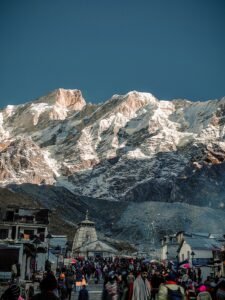
Kedarnath Dham Home of Lord Shiva
Introduction
High in the Himalayas of Uttarakhand sits Kedarnath Dham, a deeply respected spiritual site across India. At roughly 3,583 meters above sea level – about 11,755 feet – the temple honors Lord Shiva. It holds status among the twelve Jyotirlingas, places held sacred by tradition. Though the path is tough, vast numbers arrive each year drawn by faith. The climb may test the body; still, people come hoping to find peace within these stones.
Peace settles where snowy peaks rise around Kedarnath, wrapping the town in quiet grandeur. Rivers run clear through rocky paths, untouched by noise or hurry. This shrine stands amid wild beauty, drawing those who seek stillness along with faith. Devotion here feels close to earth, shaped by wind and stone rather than words alone. Pilgrims arrive from distant lands drawn not just by ritual but by something older beneath their feet. Part of the sacred Char Dham journey, the temple carries weight beyond its walls. Mountains watch without speaking. Faith grows quietly among them.
History and myths matter
Stories about Kedarnath Dham stretch far into the past, tangled with old tales from Hindu belief. Following the great fight in the Mahabharata, the Pandava brothers wanted pardon from Lord Shiva for actions taken in combat. Yet Shiva did not wish to meet them, so he changed shape, becoming a wild bull. Once they saw through his disguise, he sank straight into the earth. Where his back rose again – so people say – that place became Kedarnath; other pieces of his form surfaced elsewhere, forming what are now called the Panch Kedar shrines.
Standing through time, the current temple likely began with the Pandavas before seeing changes led by the scholar-saint Adi Shankaracharya in the 800s. Despite storms, quakes, and years piling up, it remains – quiet proof of lasting belief.

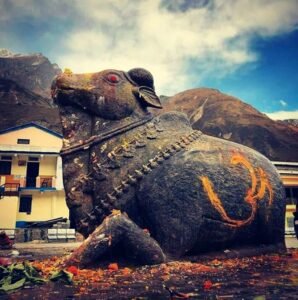
Kedarnath Temple Structure
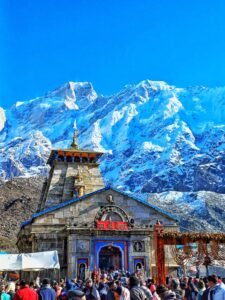
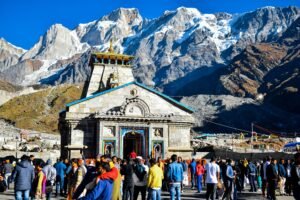
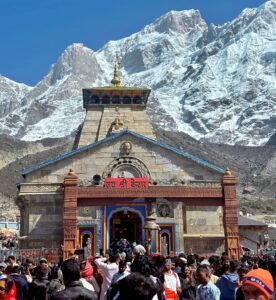
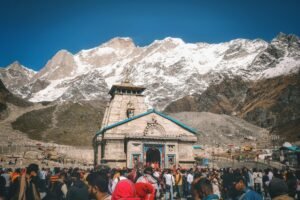
Stone by stone, Kedarnath Temple rises as an echo of old Indian design. Resting on a broad base shaped like a rectangle, it holds firm through time. Though storms pile high with snow and winds rage around it, the building does not give way. Centuries pass – still it stands, built from great flat rocks stacked without haste.
Among the quiet corners of the temple sits a rare cone–like Shiva Lingam, honored by those who enter. Carved into stone along the walls are gods and legends frozen in detailed artistry. Peace settles gently here, filling each person with stillness found only in deep reflection.
What stands out about the temple isn’t just age or design – it’s how it holds up when nature turns harsh. Back in 2013, floodwaters tore through nearby regions, sweeping away homes and roads. Still, the central structure stayed intact, almost untouched by the chaos outside. That moment deepened belief for countless visitors who saw it as more than luck.
The Journey to Kedarnath
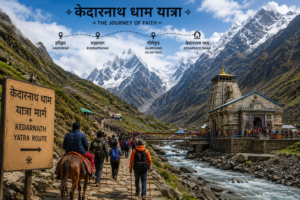
Deep in the Himalayas, reaching Kedarnath takes effort of body and mind. Starting out from Gaurikund – where most travelers gather – the path unwinds slowly toward the distant shrine. Each step forward unfolds views of rushing streams, thick woods, open meadows, and rocky peaks rising nearby. Though long, the route draws many who walk it for quiet reasons.
Some folks skip the hike, choosing instead a ride on ponies, palanquins, or helicopters. Even with hardships, many say the trip shifts something deep inside – faith grows strong when feet keep moving.
Winding through high mountains, this path shows off sharp snow–covered summits alongside a rushing river called Mandakini. For those chasing spiritual moments or quiet natural beauty, the journey sticks in memory. Not just prayers echo here – clear air, steep trails, and sudden vistas pull attention too. Some come for temples others stay for silence between rock and sky.
Spiritual Significance of Kedarnath Dham
High up in the mountains sits Kedarnath, a sacred shrine honoring Lord Shiva. For many Hindus, stepping into this temple means leaving old wrongs behind, finding freedom through prayer. Though built of stone, it holds something deeper – a quiet hope carried by those who walk there. Wanderers, seekers, holy men arrive, each drawn not just by faith but by silence. Peace does not shout here; it waits between breaths, inside ancient walls.
Inside, voices rise together each day, shaping moments thick with reverence. As light shifts at dawn and dusk, music swells, pulling people into quiet wonder. Some leave quietly, touched by stillness, others speak later of warmth spreading through them like slow sunrise.
Deep in the mountains, Kedarnath stands among four holy sites that shape much of Hindu faith. Not just stone and snow, it’s seen by many as a door opening toward something greater.

When to Go
When snow blocks the mountain paths, worship at Kedarnath stops until warmer days return. Opening usually happens by late spring, sometimes early summer. By autumn’s deep chill, the doors shut again for months ahead.
Summer heat fades into softer days by May, when paths begin to clear. June holds steady with mild skies above the trails. Rain clouds gather thick through July and August, turning slopes slippery underfoot. September arrives with calmer air, opening up high passes again. October keeps light winds and clearer views most mornings. Landslides sometimes block routes after long downpours. Checking forecasts becomes useful once plans take shape. Travel flows easier when timing avoids the wettest stretches.
Packing warm clothes helps when temperatures drop. A pair of sturdy boots makes walking long paths easier. Getting ready ahead of time changes how things go out there.

Nearby Attractions
Several beautiful and spiritually significant places can be explored around Kedarnath:
Bhairavnath Temple
Bhairavnath Temple sits close to Kedarnath Temple, honoring Bhairava – one of Shiva’s intense forms. When winter arrives, locals say he guards the area around Kedarnath.
Vasuki Tal
Perched near Kedarnath, roughly eight kilometers away, lies a serene alpine lake known as Vasuki Tal. Above it, jagged summits rise sharply into clear skies. This quiet body of water reflects towering ranges all around. Distance fades when eyes meet such raw, unbroken scenery. Few spots deliver quite this kind of stillness so close to rugged heights.
Gaurikund
Gaurikund begins the journey to Kedarnath – linked to Goddess Parvati through quiet legend. Hot springs rise here, fed by earth’s unseen heat beneath stone and soil.
Adi Shankaracharya Samadhi
Beyond the temple grounds sits a quiet marker honoring Adi Shankaracharya – his influence quietly woven into the return of Hindu pilgrimage routes. Though unassuming, the spot holds weight because of his guidance centuries ago reshaping spiritual travel. It stands apart from grand monuments yet speaks through absence more than stone ever could.

Why Kedarnath Moves So Many People
Deep in the mountains, Kedarnath Dham isn’t only about pilgrimage. Faith lives here, along with quiet strength and unwavering dedication. People feel close to something greater, drawn by centuries of belief. Beauty surrounds it – rugged peaks, wild skies – and that stirs the soul just as much as prayer does.
Amongst jagged mountain tops, the old temple stands quiet – its presence shrinking every thought. Though footsteps grow heavy here, they carry something steady beneath: a rhythm built slow through frost air and narrow trails. Moments stretch longer when breath shows itself visible, curling into sky like questions without words. Stone walls have watched centuries pass, still holding silence better than people ever could. What arrives isn’t peace exactly, more like clarity stripped bare by wind and altitude. Each step upward pulls memory tighter, forcing faces, regrets, joys to surface uninvited. Belief doesn’t shout here – it whispers between gusts, settles in cracks of frozen ground.

Final Thoughts
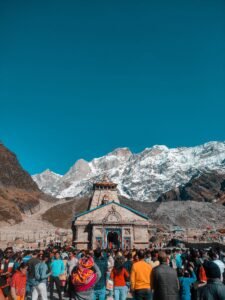
High up in the mountains, Kedarnath Dham holds a quiet place in many hearts. Old stories cling to its stones, whispered by wind through ancient walls. Tucked beside icy peaks, it feels far from everything – yet draws people close. Some arrive searching for answers, others just wanting stillness beneath vast skies. Not every journey leads here, but those who come often leave changed.
Deep in the mountains, Kedarnath isn’t just stone and prayer. It pulls you inward, where belief takes root without noise. Pilgrims walk far, yet carry little – just moments that stay beyond return. The hush there sticks around long after footsteps fade.